WHO warns DRC Ebola outbreak is third-largest on record as Uganda nears virus-free status
The World Health Organization has identified the Democratic Republic of Congo’s 17th Ebola outbreak as the third-largest in history, noting that transmission chains are frequently missed outside known contact lists. Meanwhile, Uganda is initiating a 42-day countdown to be declared virus-free.
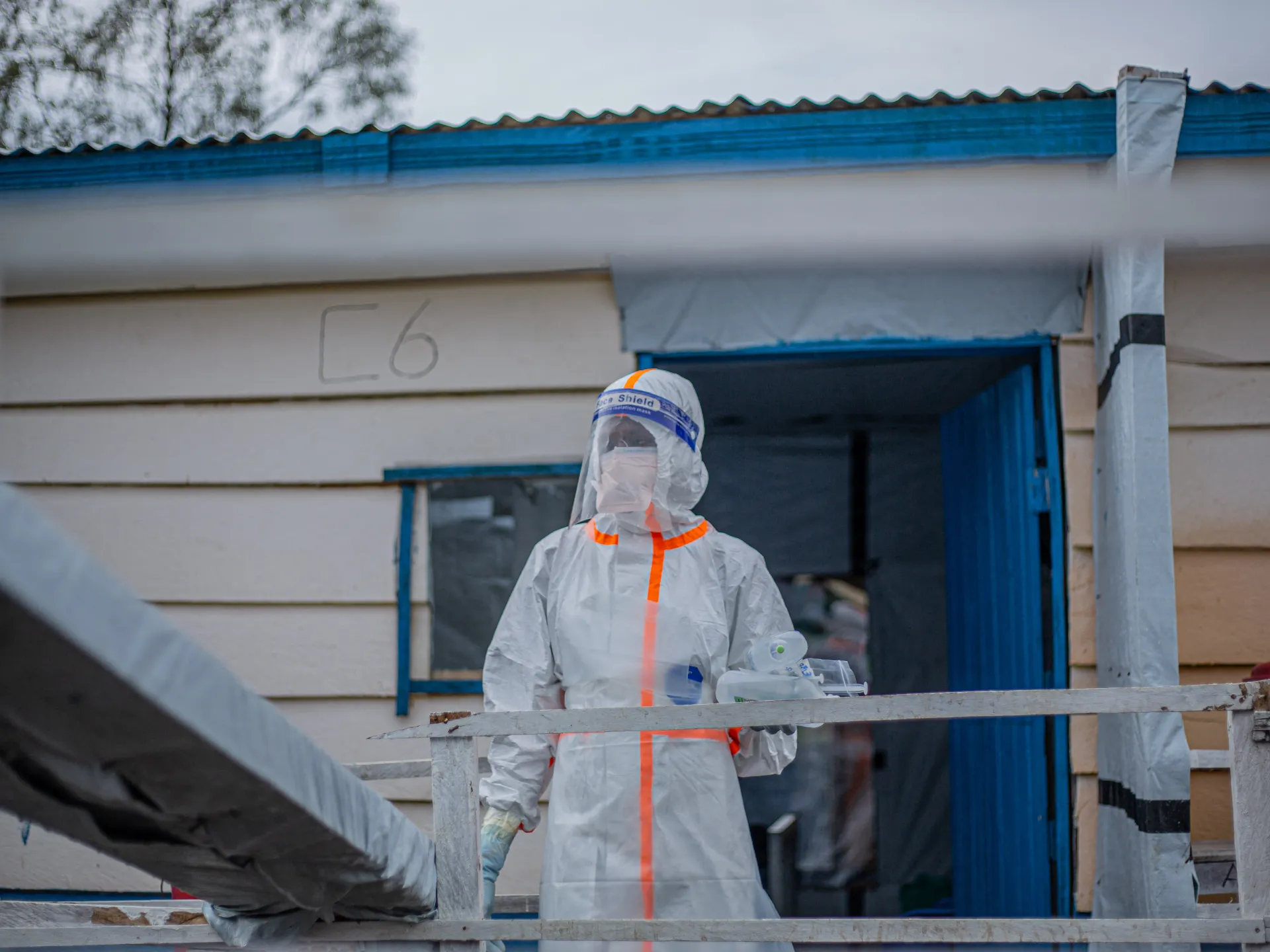
The World Health Organization has issued a stark assessment of the Ebola situation in the Democratic Republic of Congo, declaring the current outbreak the third-largest on record and noting it is expanding at an unprecedented rate. Tedros Adhanom Ghebreyesus, the WHO Director-General, highlighted that while the 2018-2020 epidemic took more than 10 months to reach 2,000 confirmed cases, the current crisis has surpassed that threshold in just two months.
As of Thursday, the DRC has recorded 2,073 confirmed infections and 796 deaths since the 17th outbreak was declared on 15 May in the Ituri province. The WHO estimates that the true number of cases could be at least double the official tally, a concern underscored by the fact that over 80 per cent of new cases are being detected outside known contact lists. This indicates that significant transmission chains are being missed, complicating containment efforts in the mineral-rich northeastern province, which is patrolled by various armed groups.
The crisis in Ituri is further destabilised by industrial action within the health sector. Healthcare workers have launched a strike and blocked the entrance to Bunia General Hospital, citing unpaid compensation for their work under difficult conditions since the outbreak began. Despite these operational challenges, the WHO noted that 377 people have recovered in the DRC, emphasising that early diagnosis and safe care remain effective tools against the virus, which spreads through close contact with infected bodily fluids.
In a contrasting development, Uganda is moving towards ending its own outbreak. The East African nation reported its last Ebola case on 22 June and has since discharged its final patient, a Congolese national who had recovered. Uganda’s health ministry confirmed that the patient was ready to return to his family, marking the start of a 42-day countdown. According to WHO guidelines, if no new cases are reported during this period, Uganda will be declared virus-free.
Uganda had recorded 20 cases of the rare Bundibugyo strain since mid-May, with 15 of those linked to travel from the DRC. The virus has so far been detected in five DRC provinces and neighbouring Uganda, though the vast majority of infections remain concentrated in Ituri. The disparity in trajectories between the two nations highlights the varying challenges of cross-border disease management and the impact of local healthcare infrastructure on outbreak control.