WHO launches PROTECT strategies to curb global drowning deaths
With nearly 300,000 fatalities annually and over 90% occurring in low- and middle-income countries, the World Health Organization highlights the urgent need for cross-sectoral intervention and climate-resilient water safety measures.
The World Health Organization has unveiled a new technical package titled PROTECT, comprising seven evidence-based strategies designed to help governments and communities reduce drowning fatalities. Released ahead of World Drowning Prevention Day on 25 July 2026, the initiative seeks to operationalise the vision of the first-ever Global Strategy for Drowning Prevention, which was established by the WHO-hosted Global Alliance for Drowning Prevention in 2025.
The PROTECT package provides policy-makers with concrete recommendations across seven interconnected domains to strengthen safety around water. These measures include making water transport safer, integrating swimming education into school curricula, and enhancing flood preparedness. Dr Tedros Adhanom Ghebreyesus, WHO Director-General, emphasised that drowning prevention requires collaboration across multiple ministries rather than being the sole responsibility of health departments.
Drowning remains one of the ten leading causes of death for children aged five to 14 years globally. Approximately 300,000 people die from drowning each year, with more than 90% of these deaths occurring in low- and middle-income countries. Fatalities frequently occur in rivers, lakes, wells, domestic water storage containers, and swimming pools, underscoring the varied nature of water risks in different environments.
The WHO highlighted a significant link between climate change and increased drowning risks. Extreme weather events, including floods, storms, and heatwaves, are becoming more frequent and contribute to higher fatality rates. Research cited by the organisation indicates that in the United Kingdom, drowning deaths increase by 7.2% for every 1°C rise in temperature, with risks nearly five times higher on days exceeding 25°C compared to those below 10°C.
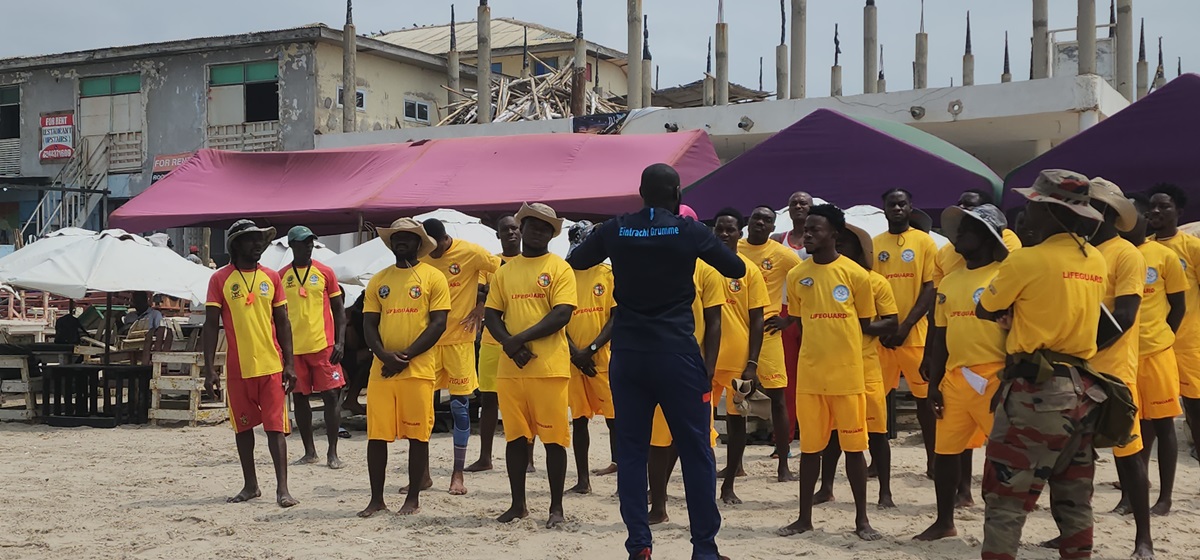
The launch event took place in Ghana, a nation where an estimated 1,100 people die from drowning annually. This figure equates to approximately three deaths every day, disproportionately affecting children and young adults. The selection of Ghana underscores the country’s growing political commitment to water safety and serves as a model for other governments to adopt similar evidence-based policies.
Dr Kelly Henning, who leads the public health program at Bloomberg Philanthropies, noted that the foundation has partnered with the WHO since 2014 to support the development of these interventions. She stated that the framework is expected to save lives by building on progress made by governments worldwide to implement proven strategies.
This year’s World Drowning Prevention Day theme, “Unite to turn the tide,” calls for coordinated action across governments, sectors, and communities. The PROTECT package aims to provide the practical tools necessary to turn this call into effective policy, addressing both immediate water safety needs and the long-term challenges posed by a changing climate.