WHO initiates first clinical trial for Bundibugyo Ebola prophylaxis in DRC
The World Health Organization has launched a major intervention in the Democratic Republic of Congo, aiming to recruit nearly 1,000 participants for a trial designed to prevent infection among those exposed to the rare Bundibugyo strain.
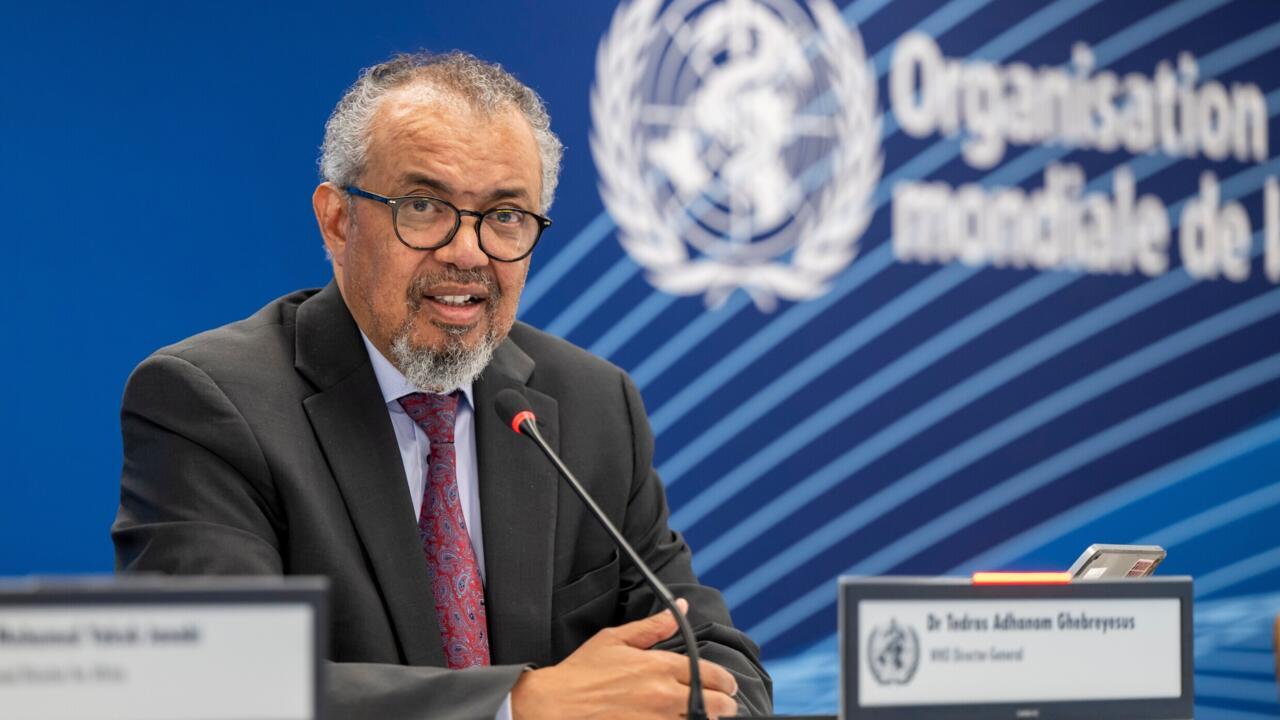
The World Health Organization has commenced the first clinical trial for an antiviral drug aimed at preventing infection from the Bundibugyo strain of Ebola in the Democratic Republic of Congo. The initiative, designated as EBO-PEP, seeks to evaluate the efficacy of obeldesivir, an oral medication developed by US pharmaceutical firm Gilead Sciences, in individuals who have been exposed to confirmed cases but remain asymptomatic.
Recruitment for the study is underway at centres in Bunia and Rwampara within the Ituri province, operating in conjunction with the Alliance for International Medical Action. The trial targets nearly 1,000 participants aged 12 and over who have had direct contact with a confirmed case within the preceding five days. Each participant will undergo daily monitoring for 21 days, culminating in a final assessment at 42 days to determine the drug’s effectiveness in post-exposure prophylaxis.
The launch of the trial addresses a critical gap in the current response to the outbreak, as there are no approved vaccines or specific treatments for the Bundibugyo species. WHO Director-General Tedros Adhanom Ghebreyesus confirmed the development on X, stating that if the drug proves effective among high-risk contacts, it could represent a significant advancement in preventing disease transmission. Pre-clinical models had previously indicated efficacy against viruses within the filovirus family, which causes haemorrhagic fevers.
WHO officials have expressed alarm regarding the scale and trajectory of the outbreak, which was declared on May 15 following deaths in the mineral-rich Ituri province. Chikwe Ihekweazu, the WHO emergencies chief, reported that the outbreak is outpacing response efforts, with 80 per cent of new cases occurring outside known contact lists and involving unknown chains of transmission. He noted that many newly reported cases involve individuals who died without reaching health facilities.
Current official figures from the DRC indicate that the outbreak has infected more than 1,960 people and caused over 700 deaths. However, the WHO estimates the true scale of the outbreak could be two to four times higher than these reported numbers. While cases have been detected in five DRC provinces and neighbouring Uganda, more than 90 per cent remain concentrated in Ituri. This prophylactic trial follows a separate study launched on July 2 that is evaluating potential treatments for patients already showing symptoms.