WHO declares global emergency as Ebola resurgence complicates DRC response
The Democratic Republic of the Congo faces a new public health crisis with over 300 suspected cases, as the World Health Organization cites diagnostic challenges and civil instability.
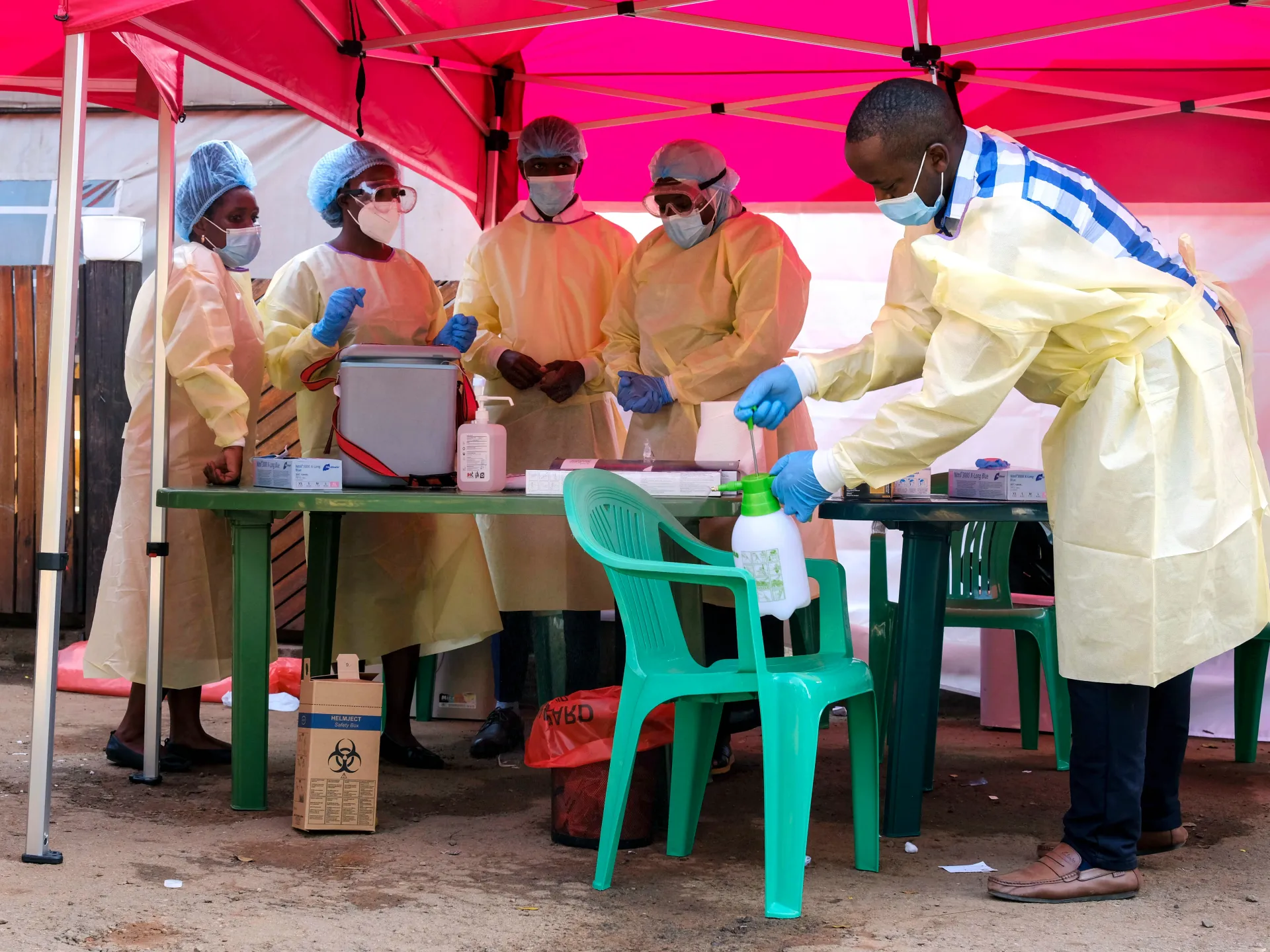
The World Health Organization has declared the Ebola outbreak in the Democratic Republic of the Congo a Public Health Emergency of International Concern, citing a complex mix of diagnostic challenges, a rare viral strain, and ongoing civil conflict. Health officials report more than 300 suspected cases and 88 deaths linked to the outbreak, which has been spreading undetected for several weeks in a region marked by displacement and insecurity. The situation has intensified just five months after the DRC declared its previous epidemic over, with two cases also confirmed in neighbouring Uganda.
The outbreak is driven by the Bundibugyo strain, a type of Ebola virus first identified in Uganda, and is centred in the northeastern Ituri province. The health zones of Rwampara, Mongwalu, and Bunia are the hardest hit, with Rwampara identified as the epicentre. An official in the Rwampara health zone, who requested anonymity, reported an average of five deaths daily over the past three days, noting that the top priority is establishing an emergency treatment centre.
Initial transmission appears to have begun when a nurse died at the Bunia Evangelical Medical Centre on April 27. Local sources indicate that the funeral proceeded with traditional practices, including touching the body, which experts warn accelerates the spread of the virus within tight-knit communities. In Bunia, residents have expressed shock and fear, with some recalling attending funerals in April for individuals who died with symptoms resembling cholera, raising suspicions of prior undetected transmission.
Containment efforts are severely hampered by community mistrust and armed conflict. Elie Badjo, an analyst on universal health coverage in the DRC, noted that early warning platforms show residents suspecting the outbreak is a plot by major powers or related to the war in the east. The Africa Centre for Disease Control and Prevention has stressed the need for swift, coordinated regional action, including isolating suspected cases and strengthening cross-border surveillance.
Jean-Jacques Tamfum Muyembe, a Congolese professor and virologist who co-discovered Ebola, warned that the risk of spread is greater than the 1976 Kikwit outbreak due to current conditions. He highlighted that the densely populated region, combined with mining operations in Mongwalu and control by armed groups, facilitates rapid disease transmission. Despite the severity, specialists emphasise that the global risk remains low, noting that the DRC’s response capabilities are significantly stronger than during the 2014-16 West Africa outbreak.