WHO declares Bundibugyo virus outbreak in DRC and Uganda a global health emergency
The World Health Organization has classified the Bundibugyo virus epidemic in the Democratic Republic of the Congo and Uganda as a Public Health Emergency of International Concern, citing high national and regional risks while maintaining a low global threat assessment.
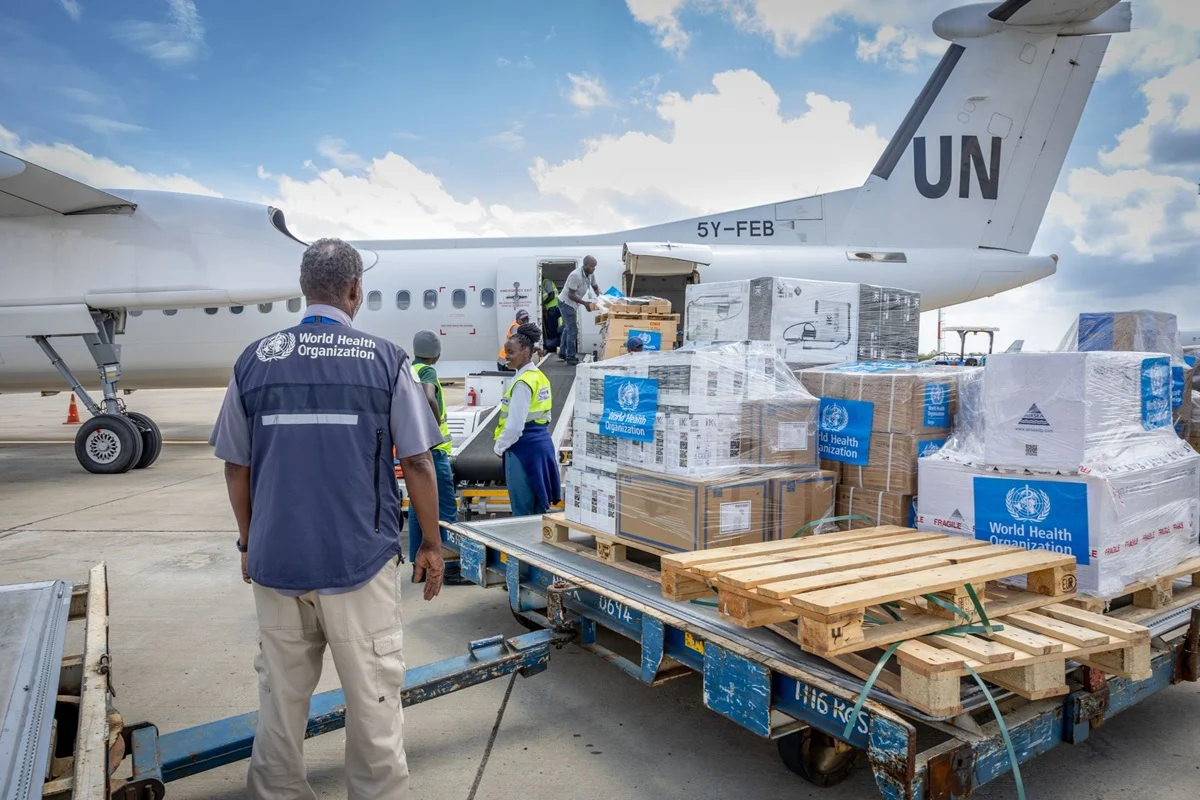
The World Health Organization has declared the Bundibugyo virus disease epidemic in the Democratic Republic of the Congo and Uganda a Public Health Emergency of International Concern. The Director-General made the determination on 17 May 2026, following consultations with the affected states, and convened the International Health Regulations Emergency Committee to review the situation. The committee’s advice aligned with the assessment that the event constitutes a significant public health emergency but does not meet the criteria for a pandemic emergency.
As of 22 May 2026, the outbreak has resulted in 51 confirmed cases in the Democratic Republic of the Congo and two confirmed cases in Uganda. Both Ugandan cases have epidemiological links to the Democratic Republic of the Congo, with no documented onwards transmission among contacts in Uganda. The World Health Organization has assessed the risk level as very high for the Democratic Republic of the Congo and high for Uganda, while the global risk remains low.
The epidemic originated in Bunia, in the Ituri province of the Democratic Republic of the Congo, with the first known case involving a nurse who died on 24 April 2026. The body of this initial case was repatriated to Mongwalu, a gold-mining town in Uganda that has since become an epicentre of the crisis. The World Health Organization’s Emergency Committee acknowledged that the response is taking place in one of the most challenging operational environments possible, requiring careful contextual adaptation.
A critical challenge in managing this outbreak is the absence of approved therapeutics or vaccines for the Bundibugyo virus, a member of the Orthoebolavirus genus. Unlike other forms of Ebola, there are currently no licensed treatments or preventative vaccines available. While candidate therapeutics are being considered for clinical trials and work is ongoing to fast-track vaccine evaluation, immediate control efforts rely heavily on scaling up public health interventions such as contact tracing and isolation.
The World Health Organization has issued temporary recommendations to all states parties to respond to and prepare for the emergency. These measures are designed to be implemented with full respect for human rights and fundamental freedoms. The organisation continues to update its evidence-based guidance in line with the evolving situation and scientific evidence, urging states with documented cases to adhere to specific protocols for Bundibugyo virus detection and response.