WHO Assembly advances pandemic pact negotiations amid global health reshaping
Member States agree to continue drafting the Pathogen Access and Benefit Sharing Annex, while Committee A addresses health emergencies in Lebanon and the Middle East.
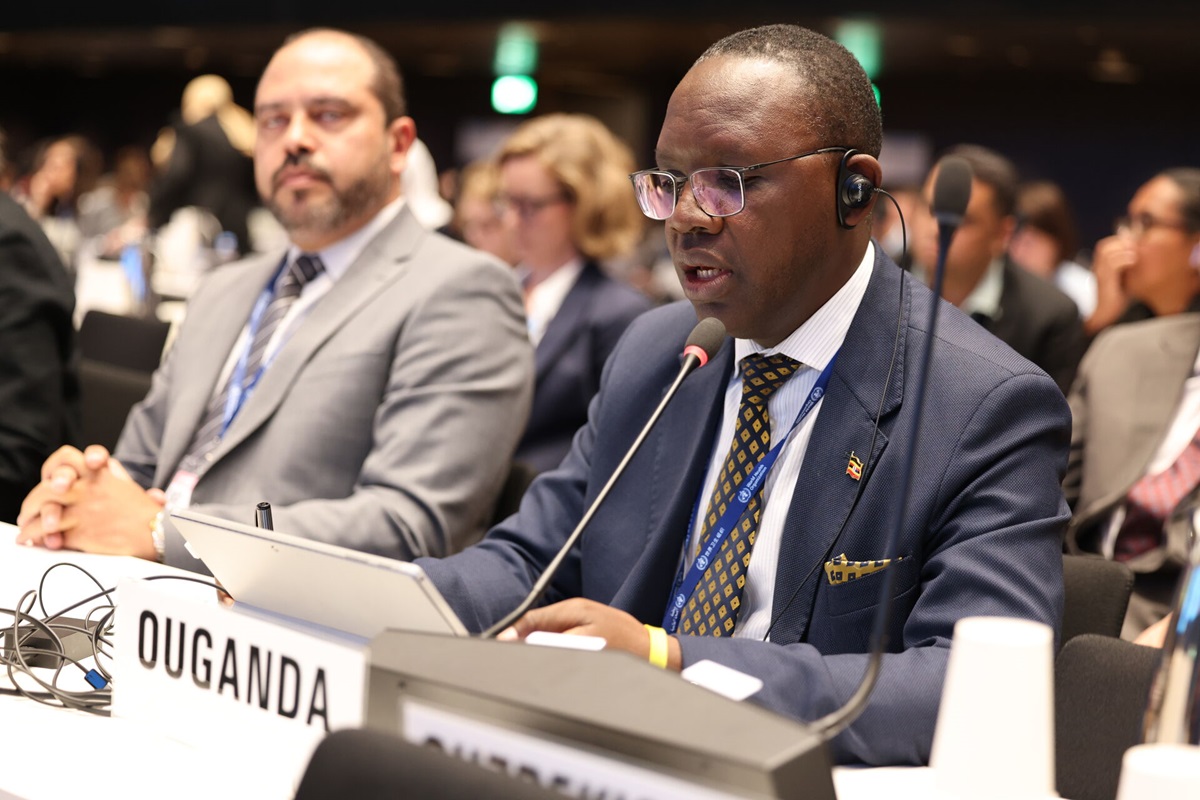
The Seventy-ninth World Health Assembly convened on 19 May 2026, with Director-General Dr Tedros Adhanom Ghebreyesus presenting the World Health Organization’s work report to Member States. The gathering initiated a general discussion under the theme “Reshaping global health: a shared responsibility”, setting the stage for critical deliberations on pandemic preparedness and international health governance.
A central outcome of the session was the decision to continue drafting and negotiating the Pathogen Access and Benefit Sharing (PABS) Annex. This annex, developed under the Intergovernmental Working Group on the WHO Pandemic Agreement, aims to establish a framework for a more equitable response to future pandemics. The Assembly agreed that the outcome of these negotiations would be submitted to the Eightieth Assembly in May 2027, or potentially at a special session in 2026.
Adoption of the PABS Annex is considered critical for opening the WHO Pandemic Agreement for signature. Following the Assembly, WHO Member States are scheduled to resume negotiations at the seventh meeting of the Intergovernmental Working Group, which will take place from 6 to 17 July 2026. The Secretariat also presented certificates of achievement for outstanding public health contributions, including awards for tobacco control in recognition of World No Tobacco Day.
In Committee A, delegates examined public health emergency preparedness and the implementation of the International Health Regulations (2005). The Committee discussed the health impact of the ongoing conflict in the Middle East, with a specific focus on protecting healthcare workers and facilities in conflict zones. Delegates adopted a draft decision addressing the health emergency in Lebanon, while also noting reports on the WHO Health Emergencies Programme.
Marking the tenth anniversary of the WHO Health Emergencies Programme, a strategic roundtable brought together global leaders to reflect on lessons from the COVID-19 pandemic and other crises. Participants emphasised the need for proactive investment, sustainable financing, and the integration of advanced analytics with strong national systems to build trust and ensure equitable access to medical countermeasures.