White House UFC Event Sparks Lobbying Scrutiny Amidst $60 Million Spend
As the Ultimate Fighting Championship stages an event on the South Lawn, sources report a surge in corporate lobbying efforts, while logistical and personnel challenges mark the occasion.
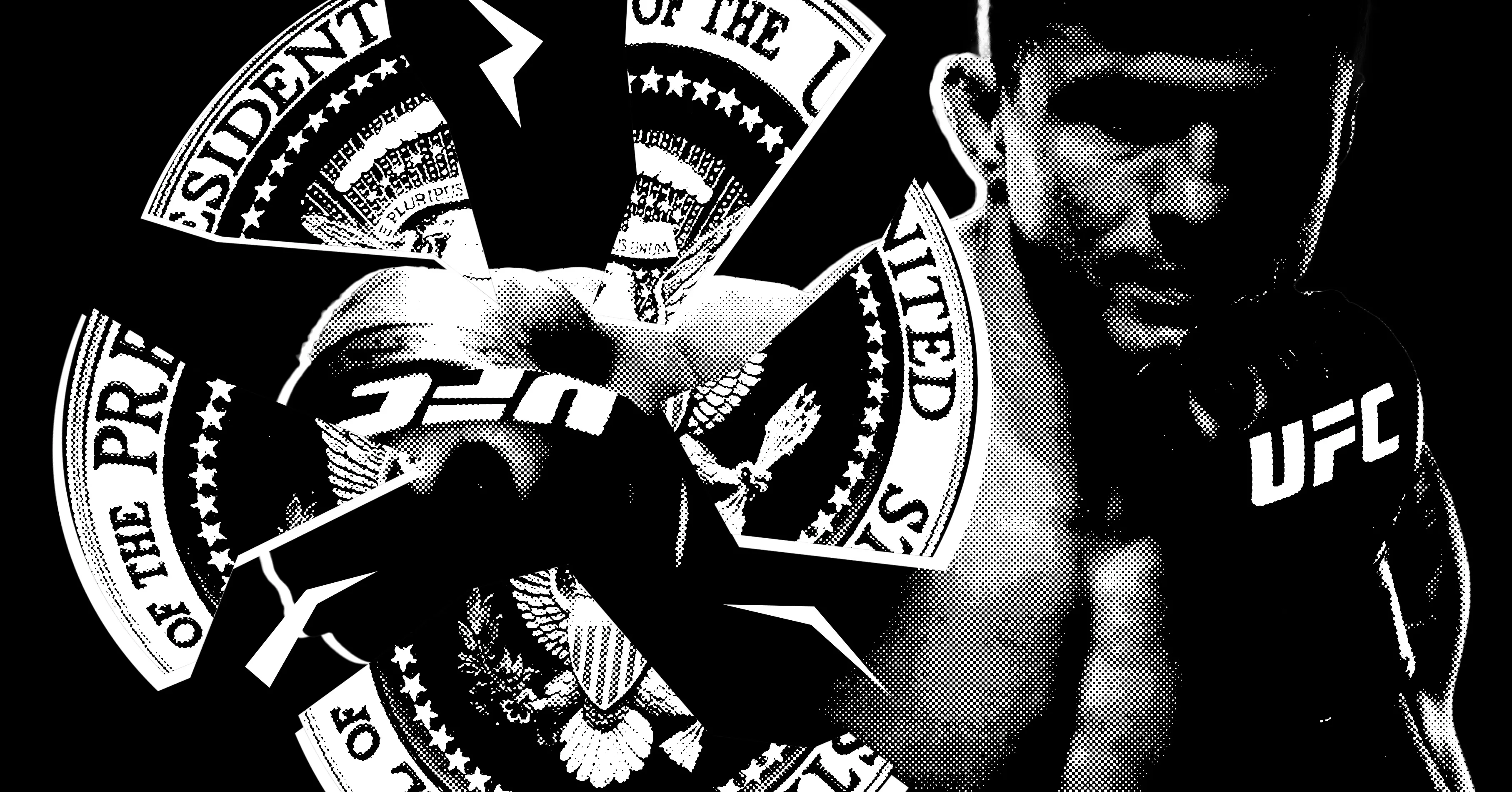
President Donald Trump has hosted an Ultimate Fighting Championship event on the White House South Lawn, an initiative he conceived as a birthday gift to himself. The spectacle, funded by the UFC at an estimated cost of $60 million, has drawn significant attention from corporate executives and political consulting firms seeking access to the President. With the UFC offering sponsorship packages exceeding $1 million for ringside seats, Washington insiders report a surge in requests from entities looking to capitalise on limited avenues for direct engagement with the administration.
The distribution of seating has been tightly controlled, with sources indicating that Trump retains authority over approximately 1,200 of the seats, while UFC President Dana White and Ari Emanuel, chair of the UFC’s parent company, control 700 between them. This allocation has left the event oversubscribed, with administration officials and members of Congress also vying for attendance. The most coveted locations are situated beneath the "Claw," a 92-foot lighting and sound structure, which has become a focal point for both the event’s production and subsequent logistical disputes.
Despite the White House denying any conflicts of interest, the financial dynamics of the event have raised questions regarding influence. A White House spokesperson dismissed allegations of lobbying as irresponsible fabrications designed to erode public trust. However, political consultants advise that these sponsorship packages serve as a primary mechanism for companies to secure face time with the President, particularly given the irregular schedule of traditional fundraising dinners hosted by the MAGA Inc super PAC. Several Octagon sponsors, including Meta, maintain ongoing business interests before the federal government.
The event also highlighted significant operational and personnel challenges. High-profile fighters such as Conor McGregor and Jon Jones were absent due to eligibility and scheduling issues. McGregor, for instance, had not been in an anti-doping testing pool long enough to meet the requirements for a White House bout, a constraint Trump reportedly respected to avoid appearing to pull favours for specific athletes. Meanwhile, the logistical footprint of the event has impacted presidential operations, as the Claw structure obstructs the South Lawn landing zone for Marine One, forcing the President to rely on motorcade transport for recent movements.
Looking ahead, the future of the South Lawn’s infrastructure remains uncertain. Although Trump had previously expressed interest in retaining the lighting structure, officials indicate it will likely be dismantled to restore full functionality to the landing zone. This logistical adjustment coincides with the anticipated arrival of a newly retrofitted Air Force One, expected to enter service in early July, further reshaping the operational landscape of the White House grounds.
