White House imposes 100 per cent tariff on heavy and sensitive drones
Drones over 25kg or with thermal imaging face maximum duties, while allied nations receive reduced rates in a move that complicates operations for US operators reliant on Chinese technology.
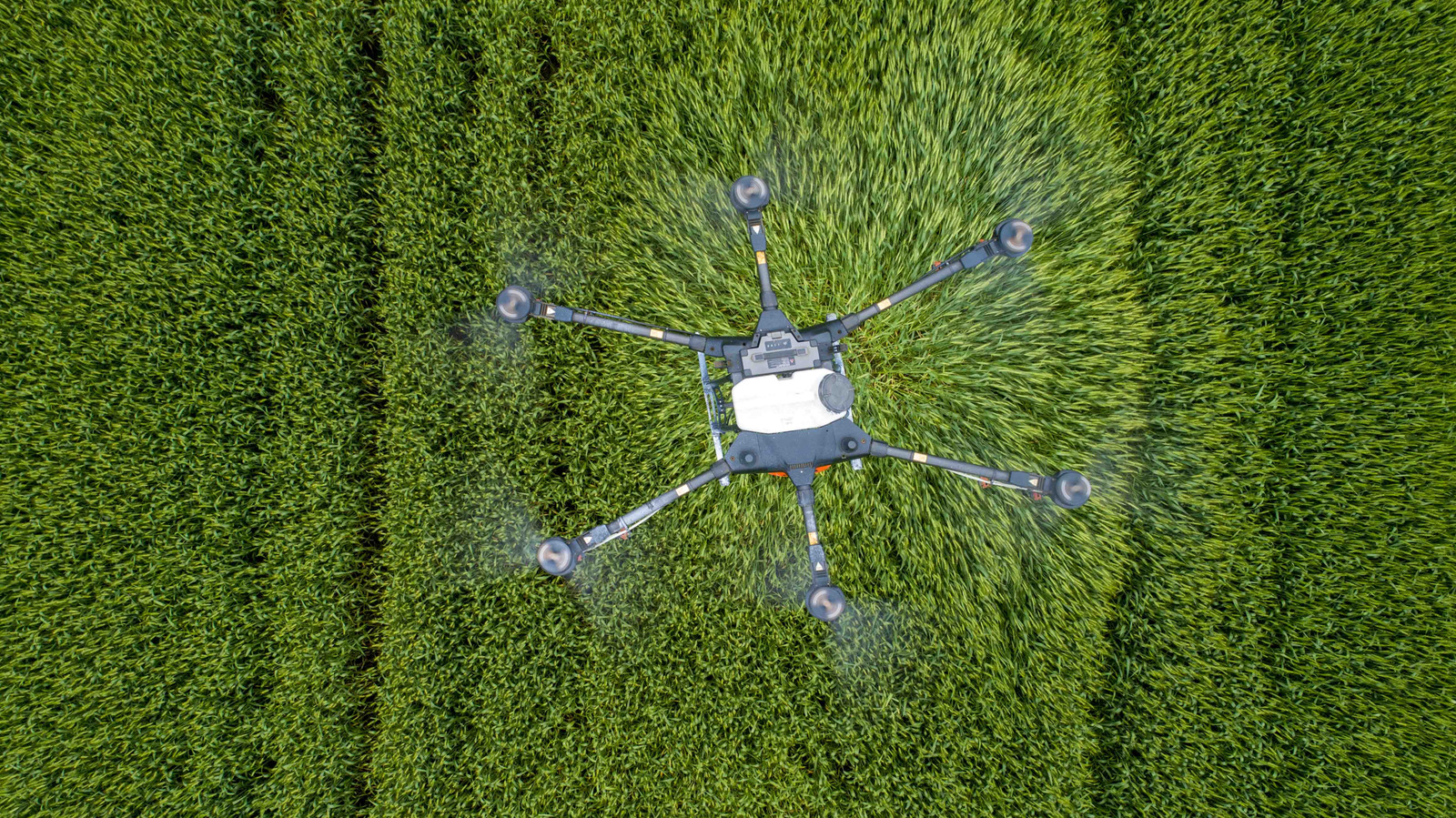
The White House has announced tariffs of up to 100 per cent on drones deemed particularly sensitive for national security, a move designed to strengthen domestic defences and encourage the on-shoring of drone component manufacturing. The new measures, reported by Engadget, target heavy unmanned aircraft and those equipped with specific high-risk capabilities, forcing operators to seek alternative suppliers or settle for models with lesser capabilities.
Under the new regime, drones weighing over 25kg or equipped with docking stations or thermal imaging capabilities will face a 100 per cent levy. These categories include commercial models from manufacturers such as DJI, which are widely used for critical operations including power line inspection, crop spraying, and search and rescue missions.
Lighter models weighing under 25kg will incur a 25 per cent tariff. However, reduced rates have been established for allied nations, provided their components are primarily manufactured in those countries. Drones from the European Union, Japan, South Korea, Switzerland, and Taiwan will be subject to a 15 per cent levy, while UK drones will face a 10 per cent tariff.
The White House stated that the policy aims to close a loophole that previously allowed companies to purchase components from China and assemble them in the United States. To support this shift, the government is creating incentive programs for US companies that invest in the manufacturing of drones and their components.
The tariffs coincide with a separate regulatory shift by the Federal Communications Commission, which has threatened to retroactively ban the sale of LiDAR-equipped drones previously approved, including some DJI models. This action, alongside a current ban on new DJI drones, cameras, and microphones, further complicates the landscape for US users.
China currently dominates the US drone market, with brands like DJI holding a significant share due to superior technology and established supply chains. The United States lacks the localized supply chains, specialized factories, and large-scale skilled labour pools found in China, making it difficult to easily replace Chinese drones domestically.
The immediate impact on operators who must find alternative suppliers remains unquantified. It is also unclear how effective the new incentive programs will be in encouraging the on-shoring of manufacturing in a sector where American production capabilities currently lag behind global leaders.