White House drafts executive order targeting vaccine schedule and autism research
Reports indicate the administration is preparing an order to reshape childhood immunisation protocols and autism funding, driven by Trump’s personal interest in the issue.
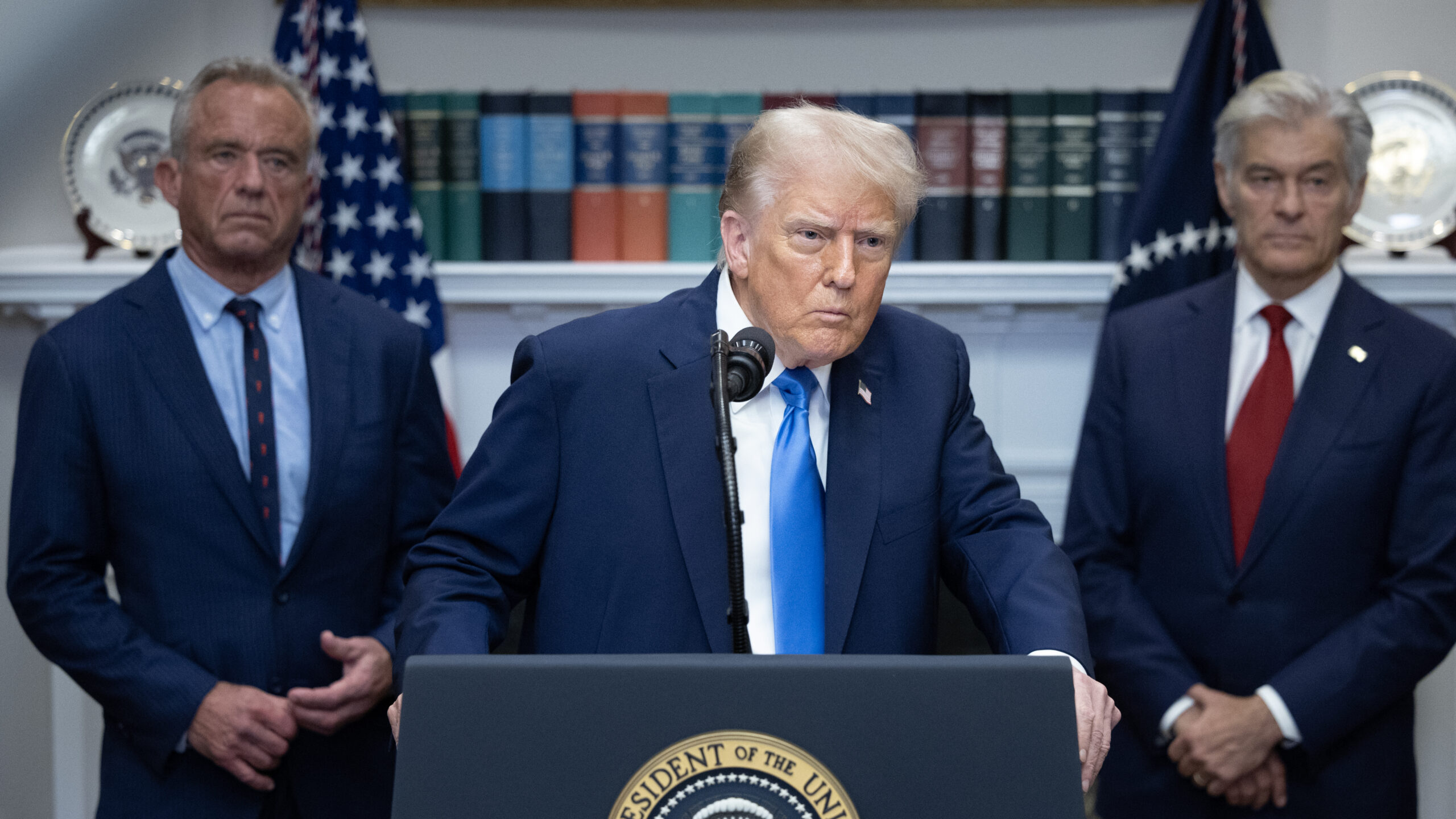
The White House is drafting an executive order that would alter the childhood vaccine schedule, redirect autism research, and expand parental choice regarding vaccinations, according to reports from The Washington Post and Bloomberg. The document, which is still under development and subject to change, could be issued as early as next week.
The initiative is reportedly driven by President Donald Trump, who seeks to be remembered for curing autism by scaling back vaccines, despite overwhelming scientific consensus disproving any link between the two. The Wall Street Journal reported that Trump holds this view personally, viewing the reduction of immunisations as a path to a medical breakthrough.
Health Secretary Robert F. Kennedy Jr., an ardent anti-vaccine activist, has faced pressure from the President to advance the agenda. During a recent Cabinet meeting, Trump asked Kennedy about progress on autism research, to which Kennedy replied, “We will have an answer for you.” The Secretary has reportedly been chastised by Trump on multiple occasions for not doing enough on the issue.
Kennedy confirmed the reporting in a combative interview on CNN on August 2, during which he also made other false claims. However, he has recently shifted away from public discussion of the topic due to perceived political risks, as analysts have deemed promoting the false link politically dangerous and the majority of American voters reject the claim.
White House spokesman Kush Desai stated to The Post that the administration would use “gold standard science” to ensure the US has the “best childhood vaccine schedule in the world.” This stance contradicts dozens of high-quality studies involving millions of children worldwide, which have consistently found no link between childhood vaccines and autism. The original claim of a link stems from a fraudulent study that was retracted years ago, leading to the author losing his medical license.
Leading medical groups, scientists, and autism patient advocacy groups have strongly rejected the continued pursuit of this disproven link, describing it as fearmongering and a waste of resources. They argue that efforts should be focused on finding real causes and treatments for autism rather than debunked theories.
