Whirlpool attributes US appliance sector downturn to Iran conflict
Shares fall 20 per cent following company assessment of collapsed consumer confidence in late February and March
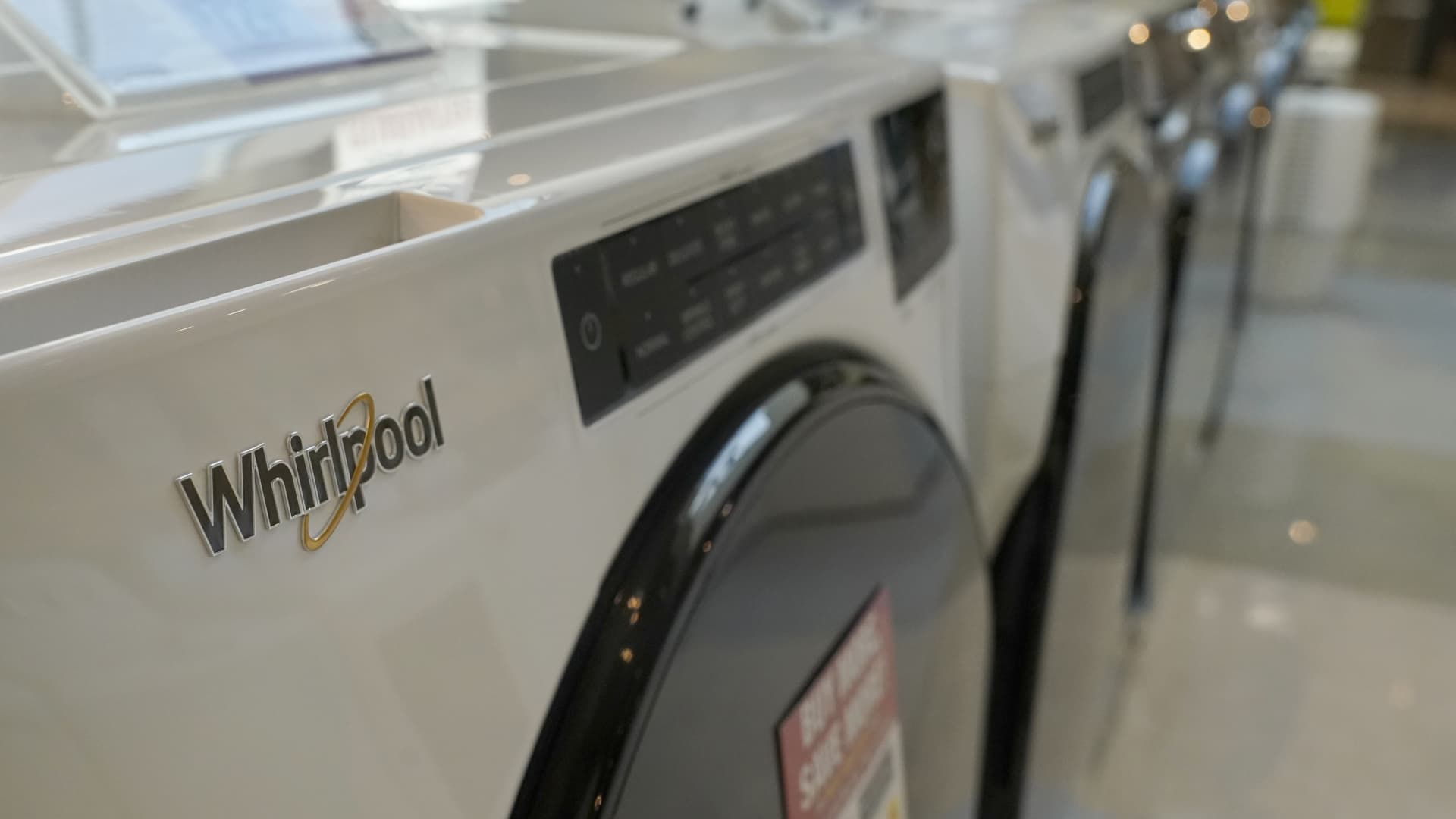
Whirlpool Corporation has stated that the ongoing war in Iran has triggered a recession-level decline within the United States home appliance industry. The manufacturer points to a specific collapse in consumer confidence during late February and March as the primary driver behind the downturn. This assessment marks a significant shift in the company's outlook, directly tying domestic market performance to international geopolitical tensions.
In response to the news regarding the industry's trajectory, Whirlpool shares have dropped by 20 per cent. The sharp movement in the stock price reflects investor reaction to the company's attribution of the sector's struggles to the conflict in the Middle East. While the firm asserts that the war is the catalyst, the decline represents a qualitative assessment of market conditions rather than independent macroeconomic verification.
The company's statement highlights a direct correlation between the geopolitical situation and consumer behaviour in the US market. By identifying the window between late February and March as the period of collapsed confidence, Whirlpool suggests that the war has had an immediate and severe impact on household spending habits. This narrative frames the current economic headwinds as a direct consequence of regional instability affecting global supply chains and consumer sentiment.
The description of a recession-level industry decline remains a corporate claim until supported by broader independent economic data. Analysts and market observers will likely scrutinise whether this assessment aligns with wider industry metrics or if it reflects specific vulnerabilities within Whirlpool's portfolio. The 20 per cent share price reduction may also incorporate general market sentiment or pre-existing investor concerns unrelated solely to the company's latest commentary.
As the situation develops, the link between the Iran conflict and the health of the US appliance sector will remain a focal point for investors. Whirlpool's decision to publicly attribute the downturn to the war underscores the growing influence of geopolitical events on domestic retail performance. The coming months will reveal whether this identified decline is a temporary shock or a sustained structural change in the industry landscape.