What the Vogue and GQ Covers Reveal About Modern Manhood
Michael B Jordan and Tom Cruise’s magazine appearances have reopened debates about age, race, fashion and the enduring codes of masculinity.
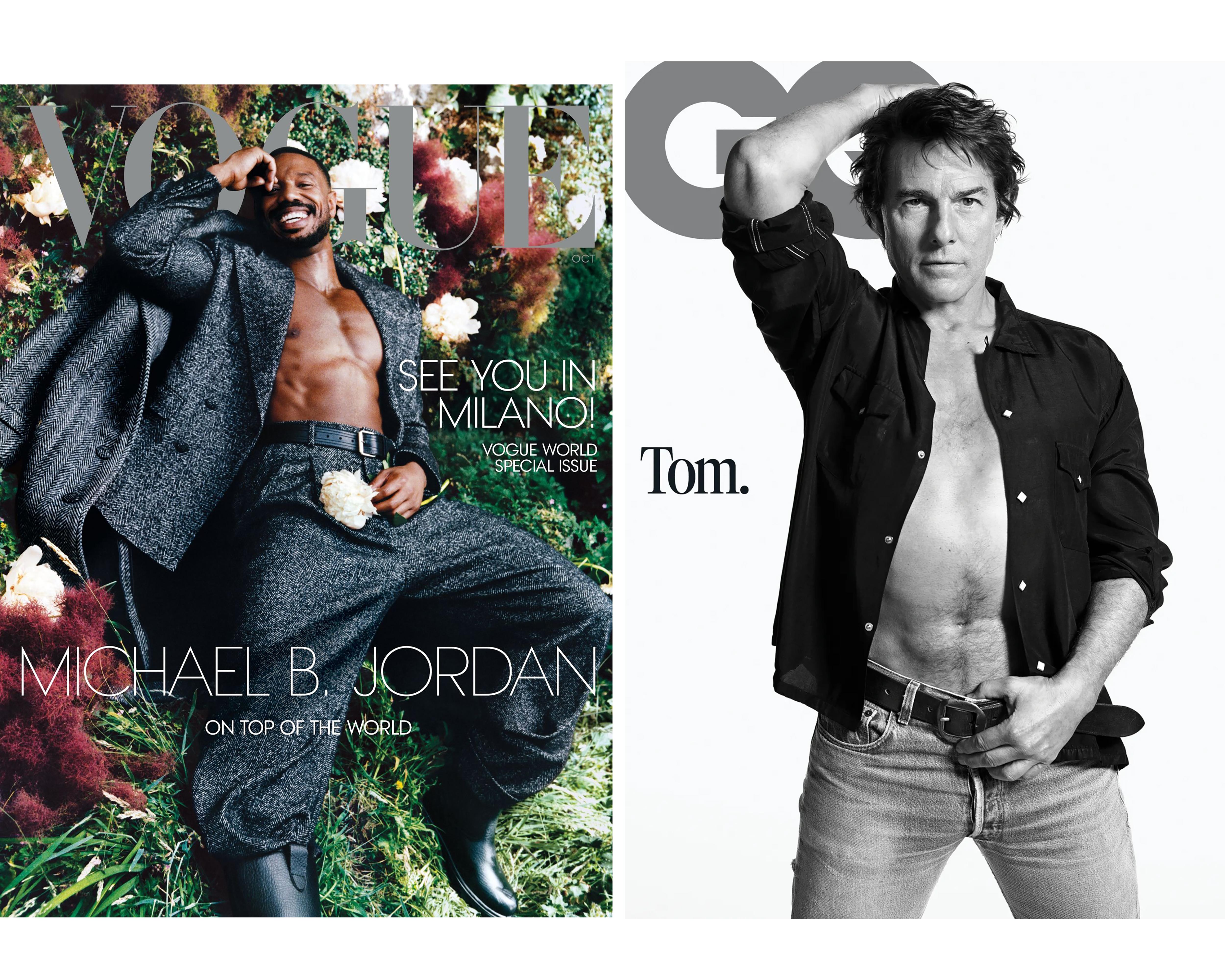
Two actors known for blockbuster action roles have become the latest subjects in a wider argument about what contemporary manhood should look like. Michael B Jordan’s solo Vogue debut and Tom Cruise’s first GQ cover in 20 years present sharply different versions of male celebrity.
Jordan, 39, appears in a fashion-led image associated by commentators with softness, decoration, jewellery and Black masculinity. Cruise, 64, is framed through more familiar codes of virility, work and physical authority. The contrast has prompted divergent online responses, including enthusiasm for Jordan’s cover and mockery of Cruise’s.
Ashley Morgan, a masculinities scholar at Cardiff Metropolitan University, argues that Cruise’s image centres the white male patriarch, while Jordan’s allows for a broader range of masculine expression. Andrew Groves, director of the menswear archive at the University of Westminster, similarly distinguishes between Cruise being given clothes and Jordan being allowed fashion.
The debate arrives amid heightened attention to the manosphere, “looksmaxxing” and performative masculinity. GQ editor Adam Baidawi has said he wants the magazine to reclaim a central role in conversations about masculinity, following earlier issues including “The New Masculinity”, which featured Pharrell Williams, and Vogue’s cover of Harry Styles in a dress.
For curator Alona Pardo, the covers show how media images continue to codify normative ideals of manhood. She argues that Cruise’s apparent defiance of ageing links male worth to physical vigour and dominance, while both images ultimately rely on visual languages of virility and traditional patriarchal authority.
As The Guardian Fashion reports, the covers are less a definitive portrait of men today than a snapshot of the cultural tensions surrounding male appearance, ageing and power. Their appeal—and their discomfort—lies in the fact that both still make masculinity a carefully constructed performance.