Wellbeing poverty hits 2.2 million as life satisfaction doubles in a decade
Nearly one in ten Australians report very low life satisfaction, driven by housing pressures and cost of living, yet community cohesion remains a critical buffer against alienation.
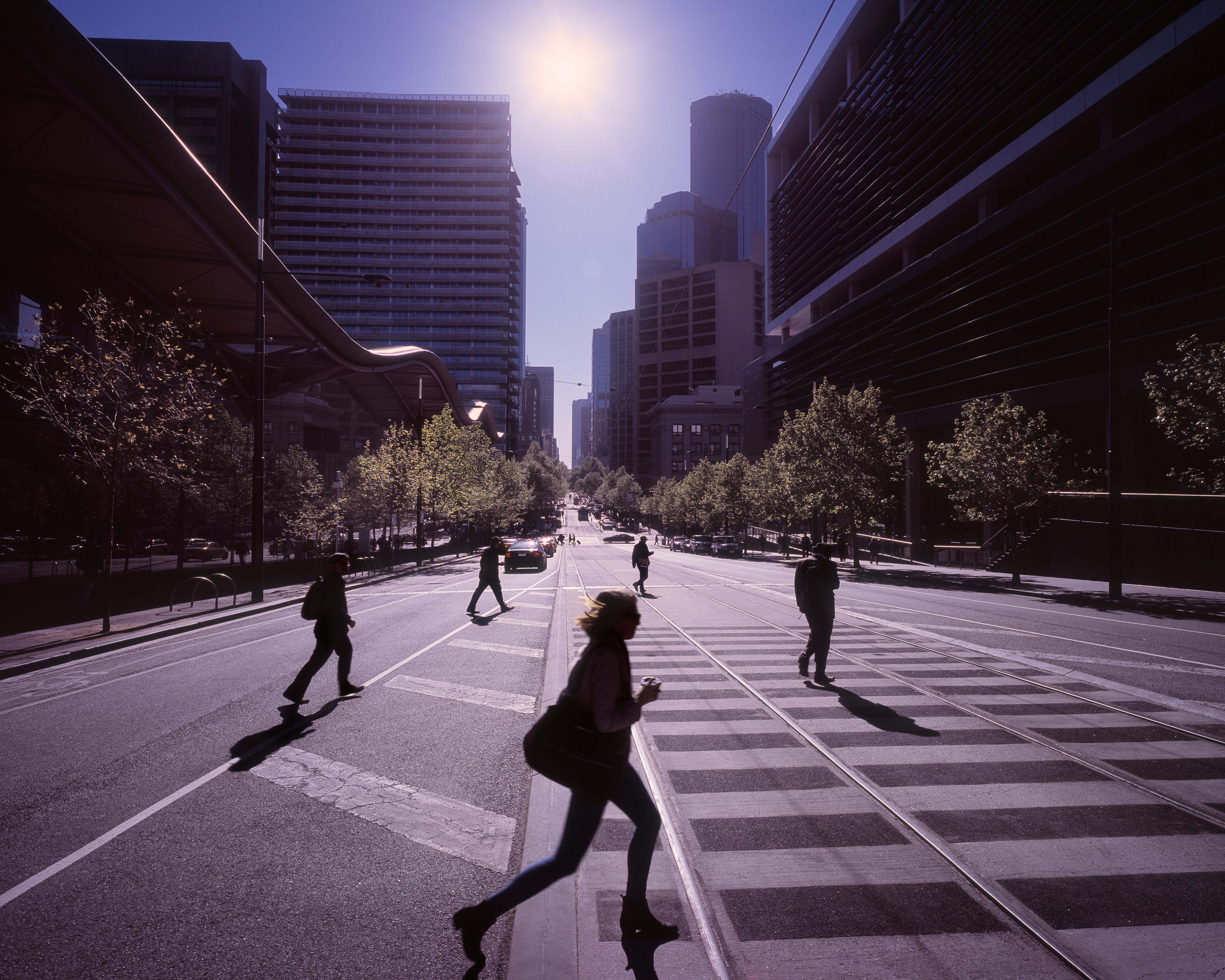
Nearly 2.2 million Australians aged 15 and older are living below the wellbeing poverty line, according to new data from the Australian Bureau of Statistics (ABS). The proportion of people reporting very low life satisfaction, defined as a rating of four or below out of 10, has doubled from 4.8% in 2014 to 9.7% in 2025. This decline, which accelerated during the 2020 pandemic lockdowns, has persisted amid soaring living costs and stagnant national living standards.
National living standards, measured by household disposable income per household adjusted for inflation, remain at mid-2020 levels. The economic outlook offers little relief, with analysts predicting a per capita recession amid a stagflationary environment characterised by low growth and high inflation. Consumer confidence has languished at 50-year lows, failing to recover from the pandemic shock, while wages for the highest paid workers have grown at more than twice the pace of those earning the least over the past decade.
Shane Oliver, AMP’s chief economist, noted that lower-income households have been disproportionately impacted by rising prices for essentials such as electricity, insurance, and health care. He suggested that the plunge in life satisfaction is linked to thwarted hopes and unmet expectations, with dwindling prospects of home ownership identified as a primary driver. Oliver observed that life satisfaction does not necessarily track with material wealth beyond a certain middle-income threshold, implying that structural housing issues are central to the wellbeing crisis.
The data reveals a significant correlation between economic distress and social alienation. Among those experiencing wellbeing poverty, only 15% feel they have a say in community matters, compared to the national average of 32%. Conversely, 46% of those with the highest life satisfaction feel they have a voice. Support for multiculturalism also varies sharply by satisfaction level; while nearly 90% of the happiest Australians view diversity positively, just over 60% of those with the lowest satisfaction agree, a figure below the national average of 80%.
Despite these pressures, social cohesion has shown resilience. The Scanlon Foundation Research Institute’s social cohesion index has remained steady at 78 over the past three years, though it remains below its 2021 peak of 92. Anthea Hancocks, chief executive of the Scanlon Foundation, emphasised that living in a highly cohesive neighbourhood can double an individual’s level of happiness, regardless of economic status. She argued that building community trust and national pride is essential to helping citizens feel supported, even as financial circumstances remain challenging.