Wearable ‘health age’ scores offer a narrow view of ageing
The Verge’s Victoria Song says metrics from Apple and other wearable makers may encourage healthier habits, but should not be treated as definitive measures of health or longevity.
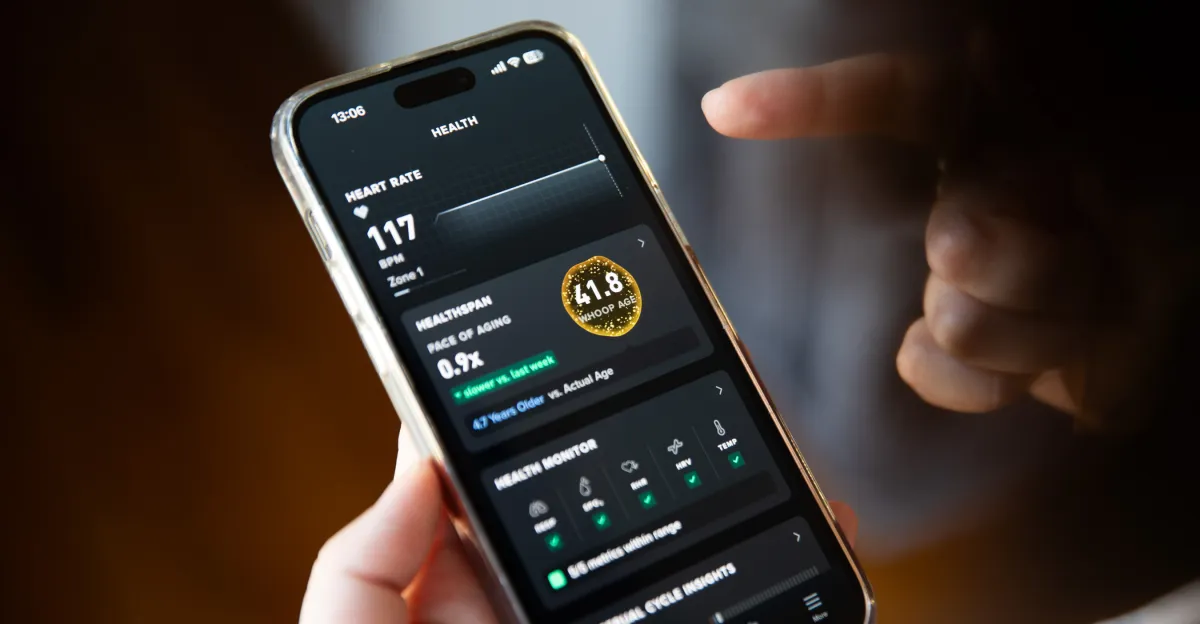
Apple plans to introduce its Health Age feature later this year, adding to a growing group of wearable and health-tech products that assign users an age-related score. In The Verge, senior reviewer Victoria Song argues the metrics can be useful prompts for lifestyle changes but often oversimplify the way people age.
Whoop, Oura, Withings, Garmin and a smart mattress topper are among the products discussed by Song. Their scores estimate different measures, including physiological, cardiovascular, vascular, fitness or biological age, using company-specific data and algorithms.
Song says her own results ranged from younger than her chronological age to older, depending on the product. She is 38, while the scores included a Whoop age of 42, a Garmin fitness age of 36.5 and a biological age of 38.7 from the mattress topper. The variation underscores that the products are not measuring a single, established concept.
The metrics can still identify areas for improvement. Song notes that diet, sleep and exercise may improve some underlying health indicators, while a score could highlight an imbalance in training habits. But she argues that the numbers can also encourage vanity, shame and unhealthy optimisation, particularly when a younger “health age” is treated as something to boast about.
Wearables may not capture medical conditions, genetics, accidents or the broader health picture. Song describes periods when her devices praised her training even as she was getting injured, and another period when the wearables suggested declining health while her metabolic biomarkers improved. She says Apple’s feature should not be judged until it can be tested, while the accuracy and clinical validity of health-age scores remain unestablished in the source.