Waymo to Deploy Robotaxis at Six 2026 World Cup Venues Amidst Operational Scrutiny
The company plans to serve stadiums in Atlanta, Houston, Los Angeles, Miami, and the San Francisco Bay Area, though experts warn congestion will mirror traditional ride-hail challenges.
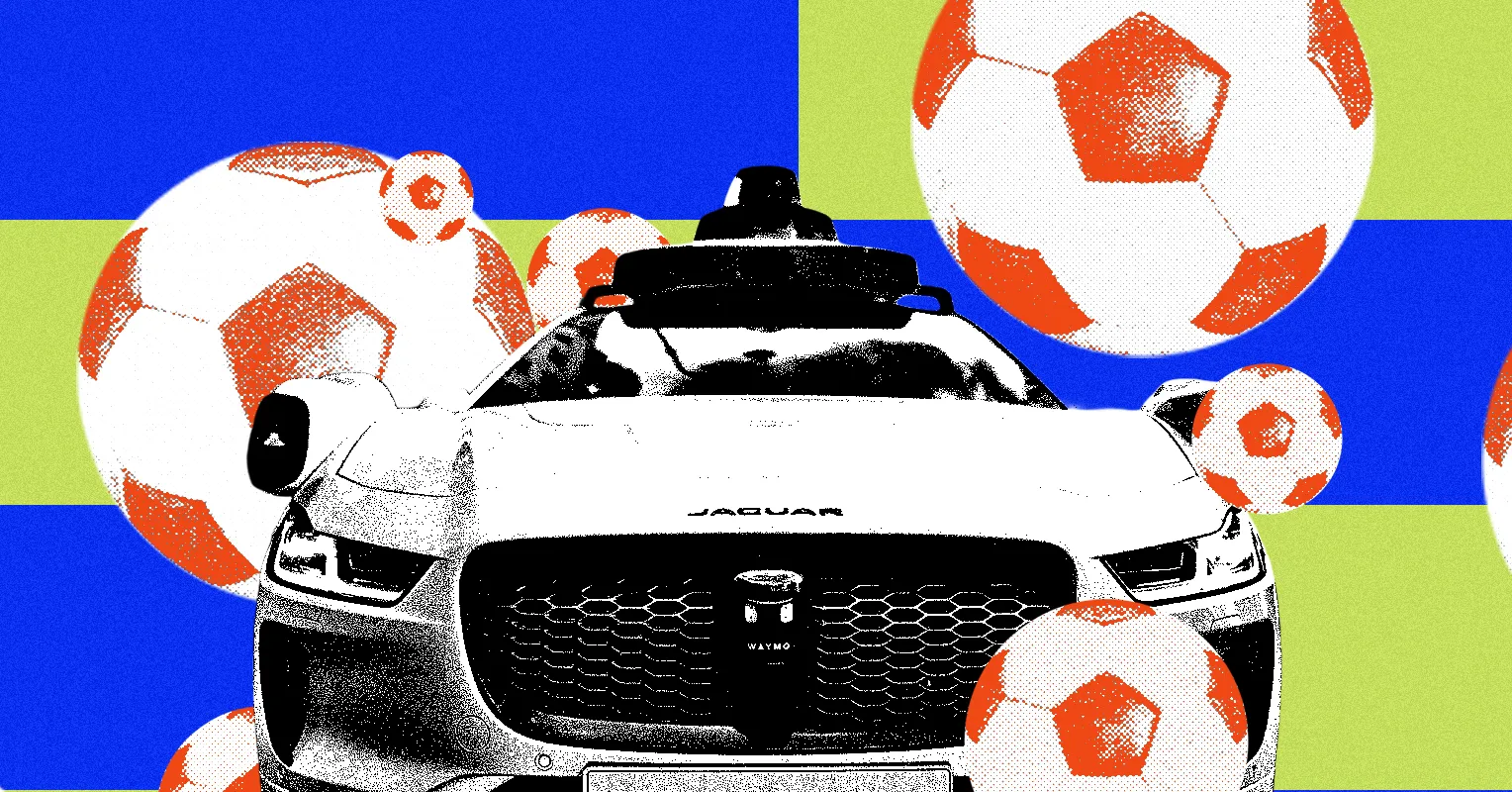
Waymo, the autonomous vehicle subsidiary of Alphabet, has confirmed it will provide driverless transportation services to six of the 16 venues hosting the 2026 FIFA World Cup. The selected locations include stadiums in Atlanta, Houston, Los Angeles, Miami, and the San Francisco Bay Area. The deployment is designed to assist with the movement of approximately 6.5 million visitors expected to attend the sprawling football tournament, which spans more than a month across North America.
The announcement comes as Waymo continues to scale its operations, currently servicing half a million paid rides per week across 11 US metropolitan areas. The company has outlined plans to expand into 20 additional domestic markets this year, with international rollouts in London and Tokyo also scheduled. The Waymo application is now available in 13 countries, including Germany, Great Britain, India, and Japan, supporting 15 different languages.
This expansion follows a period of operational adjustments for the firm. Earlier this year, Waymo suspended services in several markets due to difficulties navigating flooded streets, an issue that previously triggered a nationwide software recall. Additionally, the company halted highway rides in May, citing concerns regarding how its vehicles react in construction zones. Despite these recent setbacks, the firm remains focused on its global growth trajectory.
Urban planning experts suggest that the logistical realities for autonomous vehicles will closely mirror those of traditional ride-hail services. Adam Millard-Ball, a professor at the University of California Los Angeles’ Luskin School of Public Affairs, noted that geometric constraints make it impossible to facilitate "front door" pickups for everyone during high-demand events. Consequently, congestion and coordinated pickup zones will remain necessary.
To manage these constraints, Waymo is collaborating with local authorities to establish designated service areas. The City of Santa Clara is working with rideshare services to create specific pickup zones around Levi’s Stadium for World Cup matches, mirroring existing protocols used for NFL games. Lieutenant Eric Lagergren of the Santa Clara Police Department confirmed that these service areas will remain active for all FIFA World Cup 2026 matches hosted in the city.
While Waymo argues that its single-operator model allows for more orderly fleet coordination compared to the fragmented contractor models of Uber and Lyft, industry proponents maintain that autonomous vehicles face the same fundamental traffic limitations as conventional cars. As the event approaches, public transit systems and alternative services, such as Uber’s Shuttle minibuses, will also play a significant role in managing attendee transport.
