Waymo suspends San Francisco robotaxi operations amid power outage
The pause follows a pattern of operational disruptions, prompting calls from city officials for stricter regulatory oversight of self-driving fleets during emergencies.
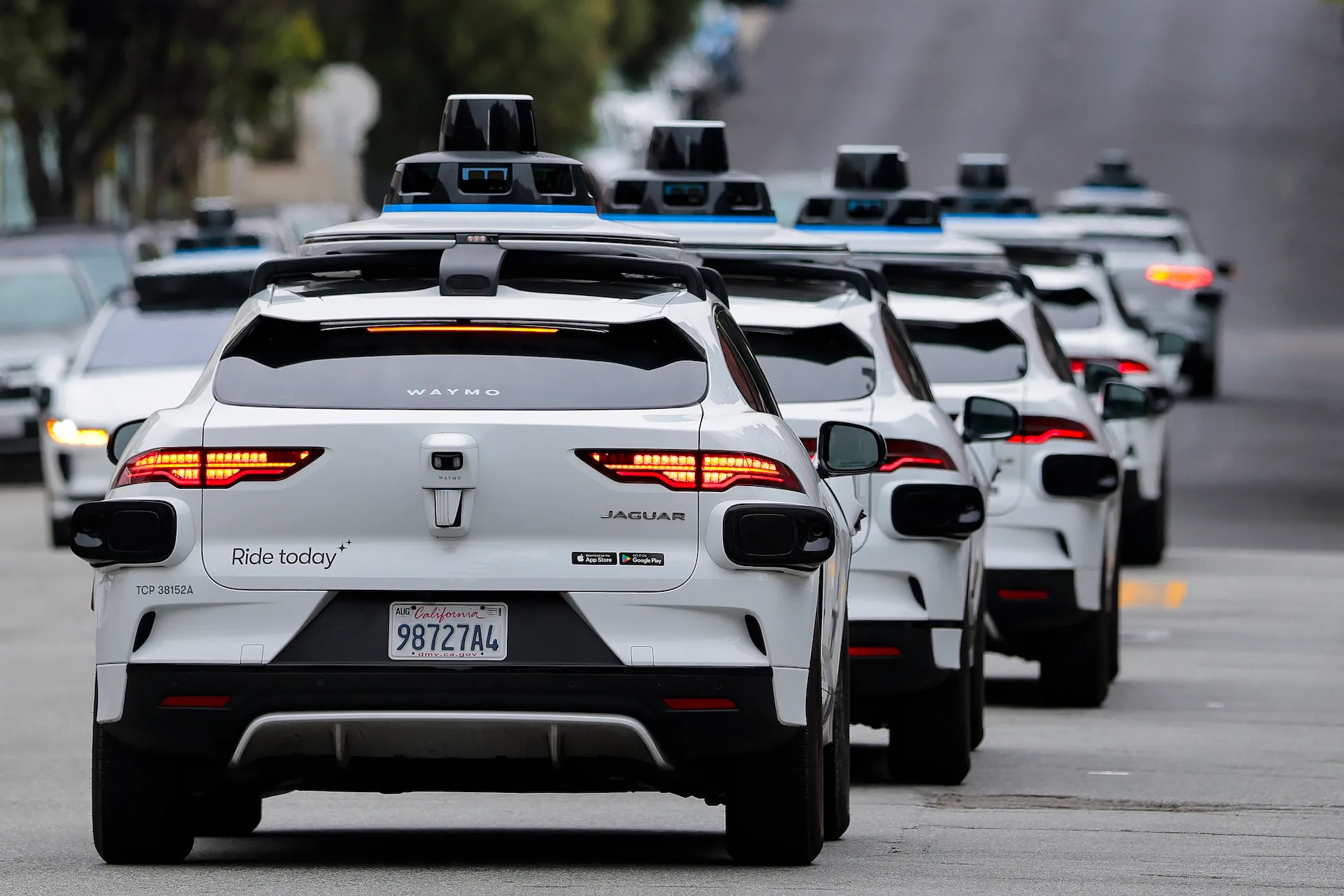
Waymo has temporarily suspended its robotaxi service in San Francisco following a power outage that has impacted approximately 7,000 customers served by PG&E. The Alphabet-owned company confirmed to TechCrunch that it is making temporary adjustments to its operations, noting that freeway routes are currently unavailable. The firm stated it is monitoring local conditions and expects to resume normal service as soon as possible.
Initial reports of the suspension were based on social media screenshots indicating that the company was informing San Francisco users that service was paused. A Waymo spokesperson later verified the disruption, stating, “We are making temporary adjustments to our service while we monitor local conditions. We know riders depend on us, and we will return to normal operations as soon as possible.”
This incident marks the latest in a series of operational challenges for the autonomous vehicle operator in the city. During a blackout in December, several Waymo vehicles stalled on city streets, causing delays and confusion for other road users. A similar disruption occurred during a Golden Gate Bridge fireworks display on the Fourth of July, which resulted in significant traffic paralysis.
The recurring nature of these disruptions has drawn attention from local government officials. San Francisco Mayor Daniel Lurie has called for tougher state regulations to address how autonomous vehicles operate during major incidents, whether planned or unplanned. The mayor’s intervention highlights growing concerns among policymakers regarding the integration of self-driving technology into urban infrastructure during emergency scenarios.
Waymo’s current pause is described as temporary, with no specific timeline provided for the restoration of full service. The company’s reliance on stable power infrastructure for navigation and communication systems remains a critical vulnerability during grid failures. As the city continues to expand its autonomous vehicle pilot programs, the intersection of public utility reliability and emerging transport technology will likely remain a focal point for regulators and investors alike.
