Waymo suspends robotaxi services across US cities amid weather and construction hurdles
The company’s operational pauses in Atlanta, Dallas, and other cities underscore the conditional nature of commercial self-driving deployment, following a recent recall and ongoing challenges with adverse weather and construction zones.
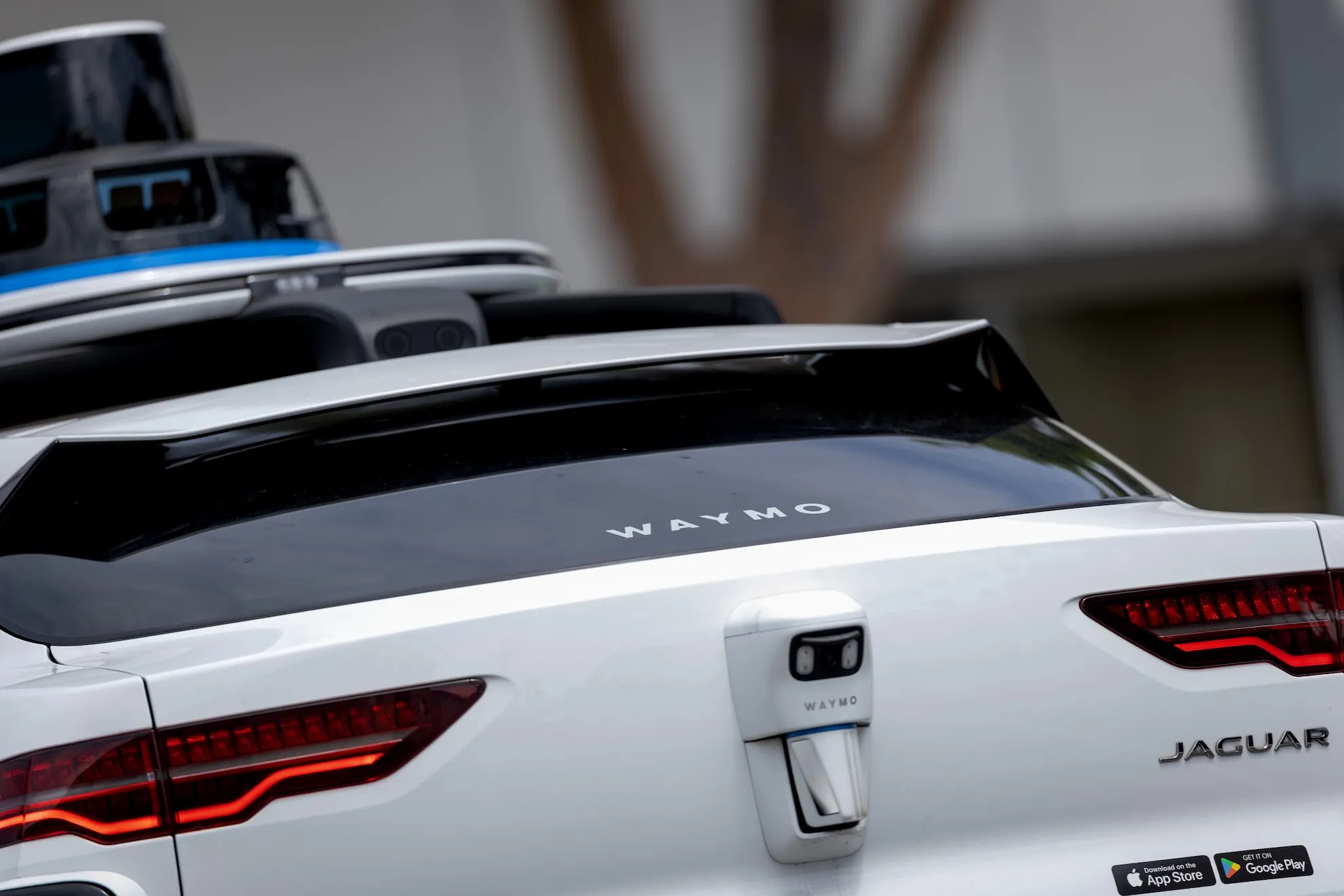
Waymo has suspended its robotaxi operations in six US cities—Atlanta, Dallas, Houston, San Antonio, Austin, and Nashville—citing difficulties in navigating heavy rain and flooded roads. The company also halted operations on freeways in San Francisco, Los Angeles, Phoenix, and Miami to address performance issues in construction zones. These operational pauses follow a recent recall issued by Waymo and highlight the conditional nature of commercial autonomous vehicle deployment, as the company continues to manage edge cases in new cities and capabilities.
The suspension in Austin and Nashville extends a weather-related pause that previously affected Atlanta, Dallas, Houston, and San Antonio. Waymo has identified specific challenges in determining when its vehicles should not enter flooded areas, a persistent issue that prompted the company to issue a recall last week. The simultaneous halt of freeway operations in San Francisco, Los Angeles, Phoenix, and Miami is aimed at improving performance in complex construction environments.
For Waymo, which is described as the leader in commercial robotaxi ridership and fleet size, these incidents illustrate the broader challenges of scaling autonomous technology. The company notes that for every new city it enters or capability it unlocks, new edge cases are discovered. While the conditional status of these services does not necessarily imply a permanent halt, it serves as a reminder that launching commercially is not the final step in ensuring operational reliability.
The operational landscape for autonomous vehicles remains competitive and evolving. Lyft has published a blog outlining its position that ride-hailing services currently require both human and robot drivers, reflecting the current scale of deployment. Meanwhile, Stellantis has partnered with self-driving startup Wayve to bring hands-free driving to its vehicles by 2028, and May Mobility has formed a strategic agreement with Ecarx to deploy thousands of purpose-built robotaxi vehicles, with commercialization targeted for 2028.
These developments occur against a backdrop of significant financial and strategic shifts in the broader technology sector. SpaceX’s recent IPO filing revealed interconnected financial transactions between Musk-affiliated entities, including substantial purchases of Tesla’s Megapack products and Cybertrucks. Additionally, Tesla’s Full Self-Driving software has been approved for use in Lithuania, marking its second European deployment as the company pursues ambitious subscription goals.
