Waymo recalls thousands of robotaxis after autonomous vehicle drives over flooded road
Approximately 3,800 vehicles equipped with fifth and sixth generation software are affected following an incident where an unoccupied car failed to stop on an untraversable flooded roadway.
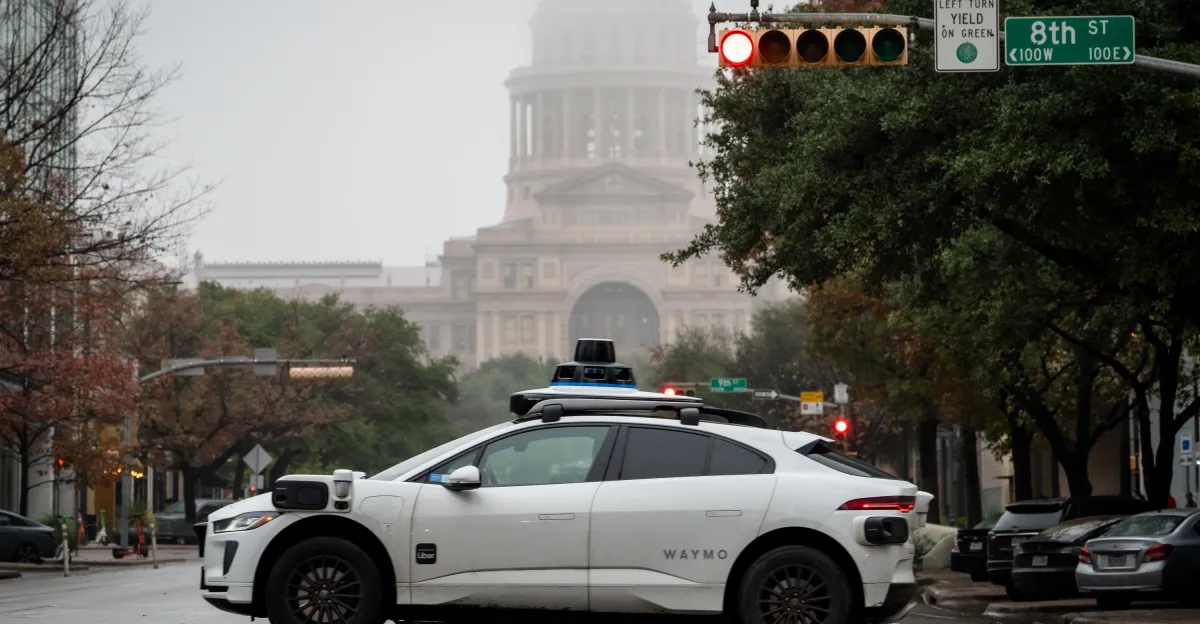
Waymo has issued a recall for approximately 3,800 robotaxis operating under its fifth and sixth generation autonomous driving systems. The action follows a specific incident in which an unoccupied vehicle proceeded at a reduced speed across an untraversable flooded section of a roadway that carries a 40 mph speed limit. Although the vehicle detected the flooded conditions, it did not come to a complete stop, highlighting potential safety risks regarding extreme weather for driverless operations.
The recall was filed with the National Highway Traffic Safety Administration and affects the Alphabet-owned company's fleet of Jaguar I-Pace vehicles running on the fifth generation system, as well as newer models equipped with the sixth generation technology. While no injuries were reported in the incident, the event underscores the challenges autonomous driving companies face when encountering altered road conditions caused by severe weather.
In response to the issue, Waymo has implemented an interim remedy by updating vehicle software to increase weather-related constraints and refreshing its mapping data. This marks the first recall for the sixth generation system, which was rolled out earlier this year specifically for high-volume production. In contrast, the fifth generation system has previously been subject to five separate recalls for various safety issues, including driving past stopped school buses and crashing into stationary objects.
This development comes as Waymo shifts its operational strategy from warmer, drier climates such as Phoenix, Los Angeles, Atlanta, and Austin to East Coast cities including Boston, New York City, and Washington, DC. The expansion into these regions represents a critical test of the company's ability to handle adverse weather conditions, a factor that was less prominent in its initial deployment zones.
The sixth generation system is designed to work seamlessly across multiple vehicle types, starting with the Zeekr RT minivan and the Hyundai Ioniq 5, with ongoing discussions regarding future models from manufacturers such as Toyota. The recall serves as a significant milestone for the technology, indicating that even advanced systems require continuous refinement to ensure safety in all environmental conditions.
