Waymo Premier subscription faces scrutiny over pricing and value proposition
Analysts and competitors highlight significant cost disparities between Waymo’s new loyalty tier and human-driven alternatives, raising questions about the financial logic of robotaxi services.
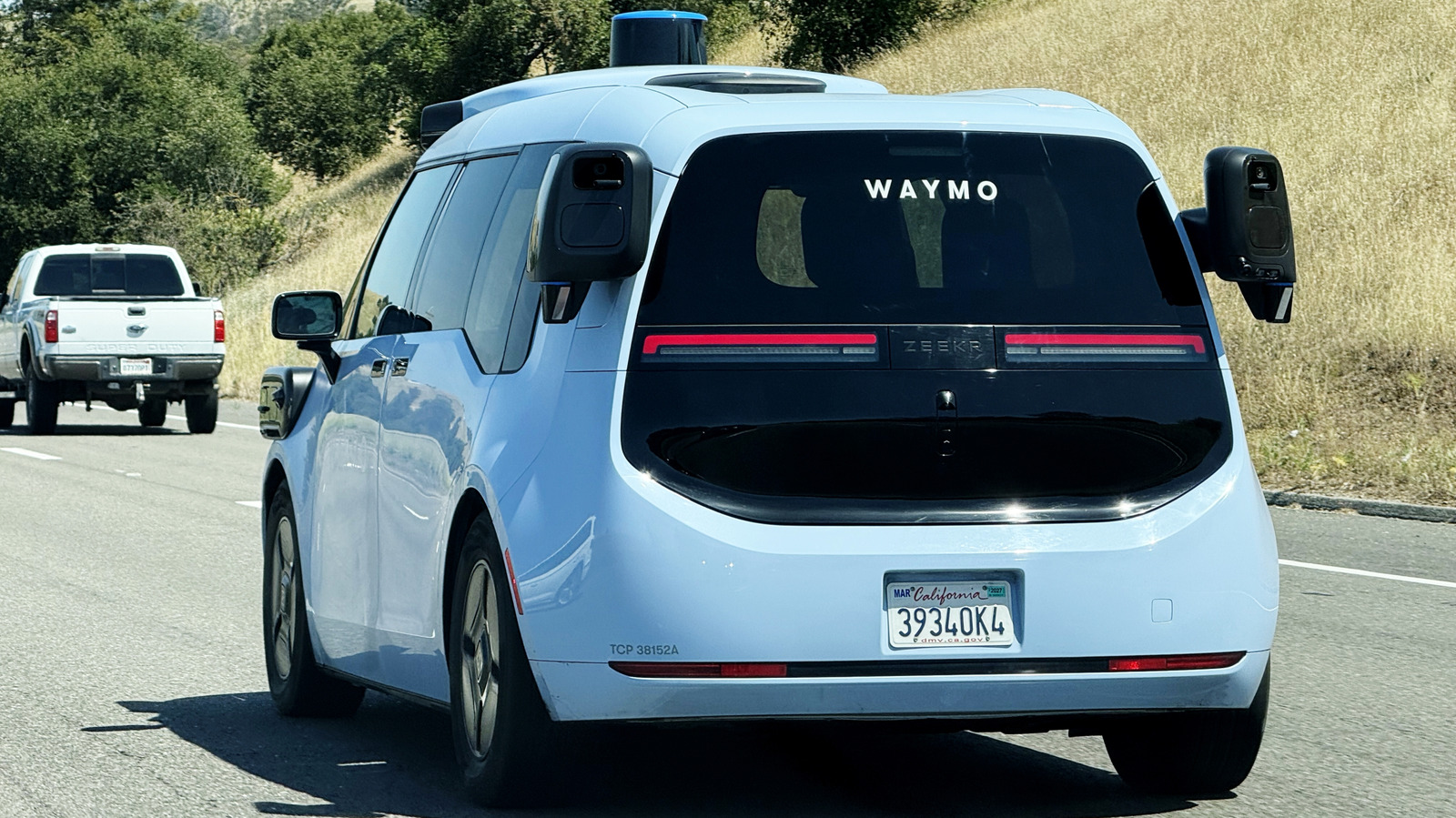
Waymo, the Alphabet-owned autonomous vehicle operator, has launched Waymo Premier, a new subscription service priced at $30 per month. The invite-only tier offers priority ride pickups, a 10 per cent in-app rebate on future trips, up to five fee-free cancellations monthly, and early access to new service areas as the company expands its footprint.
The launch coincides with the deployment of Waymo’s new Zeekr-built "Ojai" vehicle across Los Angeles, Phoenix, and San Francisco. The service is designed to retain frequent riders ahead of broader domestic expansion and an international rollout later this year. However, the pricing structure has drawn immediate criticism for its lack of competitive advantage compared to established human-driven ride-hail platforms.
Engadget has characterised the membership as a poor value proposition, noting that competitors Uber One and Lyft Pink cost just $10 per month. These rival services offer broader lifestyle benefits, including discounts on hotels, car rentals, and food delivery, alongside smaller ride credits. While Uber One provides a 6 per cent in-app credit and Lyft Pink offers 5 per cent off Standard rides, Waymo Premier’s $30 fee provides no comparable external discounts.
Financial data further undermines the subscription’s value. A June 2025 report by rideshare analytics firm Obi indicates that Waymo rides are significantly more expensive on average than equivalent trips taken with Uber or Lyft. Historically, Waymo positioned itself as a premium service charging 30–40 per cent more than human-driven alternatives. Following recent price adjustments, fares remain approximately 12–13 per cent higher, meaning subscribers pay a premium for the subscription on top of already inflated per-ride costs.
The value argument is complicated by recent operational challenges. Waymo recently issued a software recall affecting its entire fleet following reports of dangerous behaviour during a flood in San Antonio, Texas. While competitors have faced their own safety controversies, including violent crime and assault complaints, Waymo’s reliance on remote human intervention and recent technical failures have intensified scrutiny. Co-CEO Tekedra Mawakana has previously stated that customers pay for consistency and safety, but the combination of high costs and safety recalls has led critics to question the fundamental economics of the autonomous taxi model.
