Waymo partners with B2U to repurpose robotaxi batteries for grid storage
The deal addresses end-of-life management for Waymo’s fleet of Jaguar I-Pace and Zeekr vehicles, targeting hundreds of megawatts of capacity without disclosing specific operational timelines.
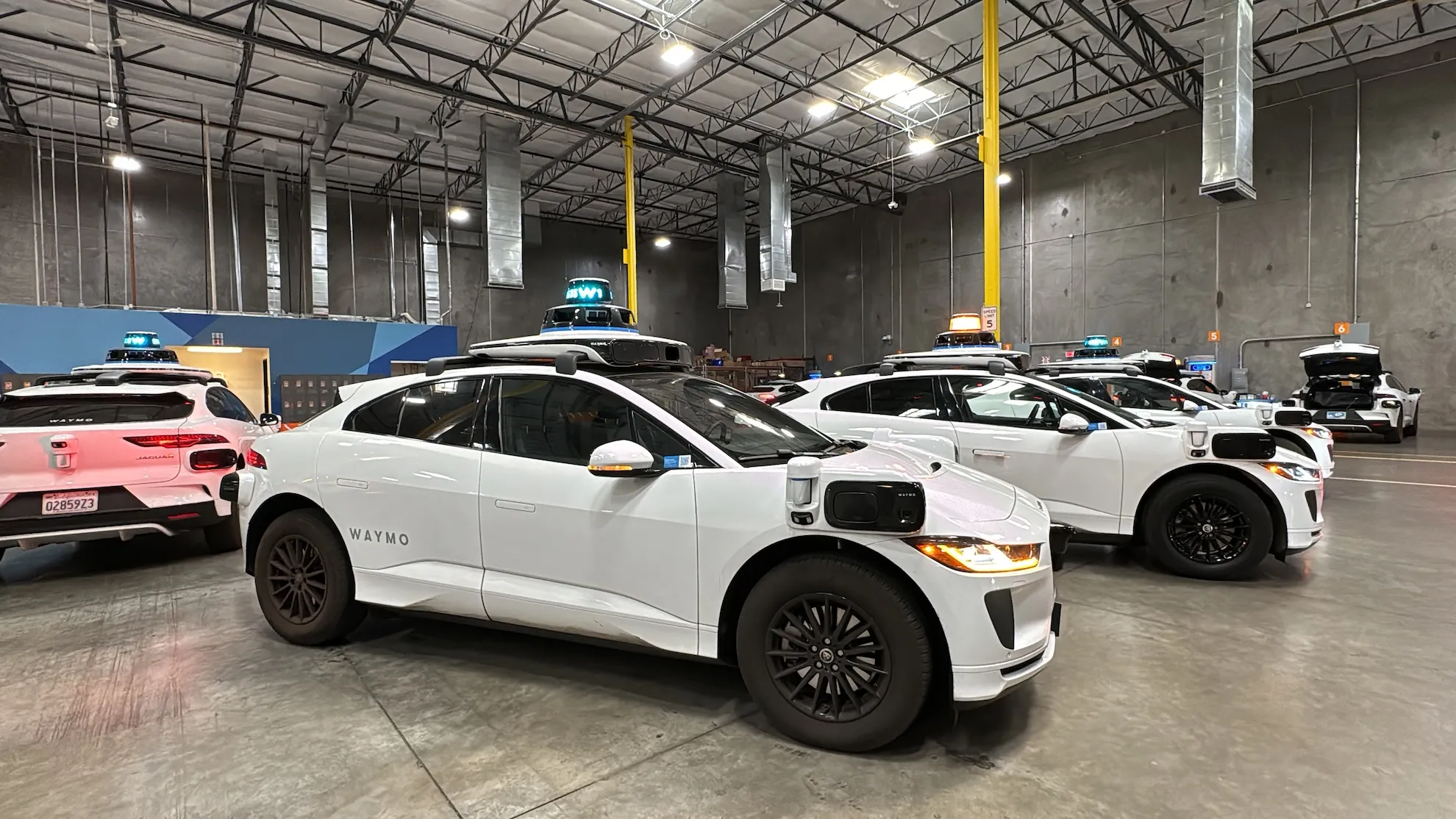
Waymo has entered into a partnership with energy storage firm B2U Storage Solutions to repurpose retired battery packs from its autonomous robotaxi fleet for electricity grid storage. The initiative targets infrastructure projects in California and Texas, marking a strategic move to manage the end-of-life treatment of the thousands of vehicles the company has deployed across the United States.
The collaboration aims to provide “hundreds of megawatts of storage capacity,” according to Waymo, though the company did not disclose specific operational details or timelines for deployment. The move addresses a growing logistical challenge for autonomous vehicle operators as their fleets age and battery packs require replacement or retirement.
Waymo’s current robotaxi fleet consists primarily of Jaguar I-Pace electric vehicles, with a limited number of vans built by Chinese automaker Zeekr recently added to operations. The partnership with B2U will facilitate the transition of these retired battery units from road transport to stationary energy storage applications.
B2U is one of several companies focusing on battery repurposing rather than direct recycling. This approach aligns with broader industry trends where firms seek to extend the utility of lithium-ion cells before they reach end-of-life recycling stages. The deal underscores the increasing intersection between autonomous mobility and energy infrastructure management.
The announcement comes amid heightened activity in the second-life battery sector. Redwood Materials, founded by former Tesla CTO JB Straubel and backed in part by Waymo’s parent company Alphabet, recently launched its own second-life storage business using old EV batteries. This parallel development highlights the competitive landscape for utilising retired automotive energy storage assets.
While the specific quantity of battery packs involved in the Waymo-B2U agreement remains undisclosed, the aggregate capacity estimate suggests a significant deployment. The partnership provides a concrete example of how autonomous vehicle operators are planning for the lifecycle of their hardware, balancing operational efficiency with sustainable asset management.
As Waymo continues to expand its autonomous services, the management of retired fleet components will likely become a critical operational metric. The B2U deal offers a scalable model for integrating retired electric vehicle batteries into the broader electricity grid, potentially reducing waste and supporting energy stability in key markets.
