Waymo leads Texas autonomous vehicle registrations
Data from the Texas Department of Motor Vehicles shows Waymo has registered 577 autonomous vehicles in the state, significantly outpacing competitors including Tesla, which has registered 42. The figures stem from a new state law requiring AV companies to disclose fleet sizes and safety information.
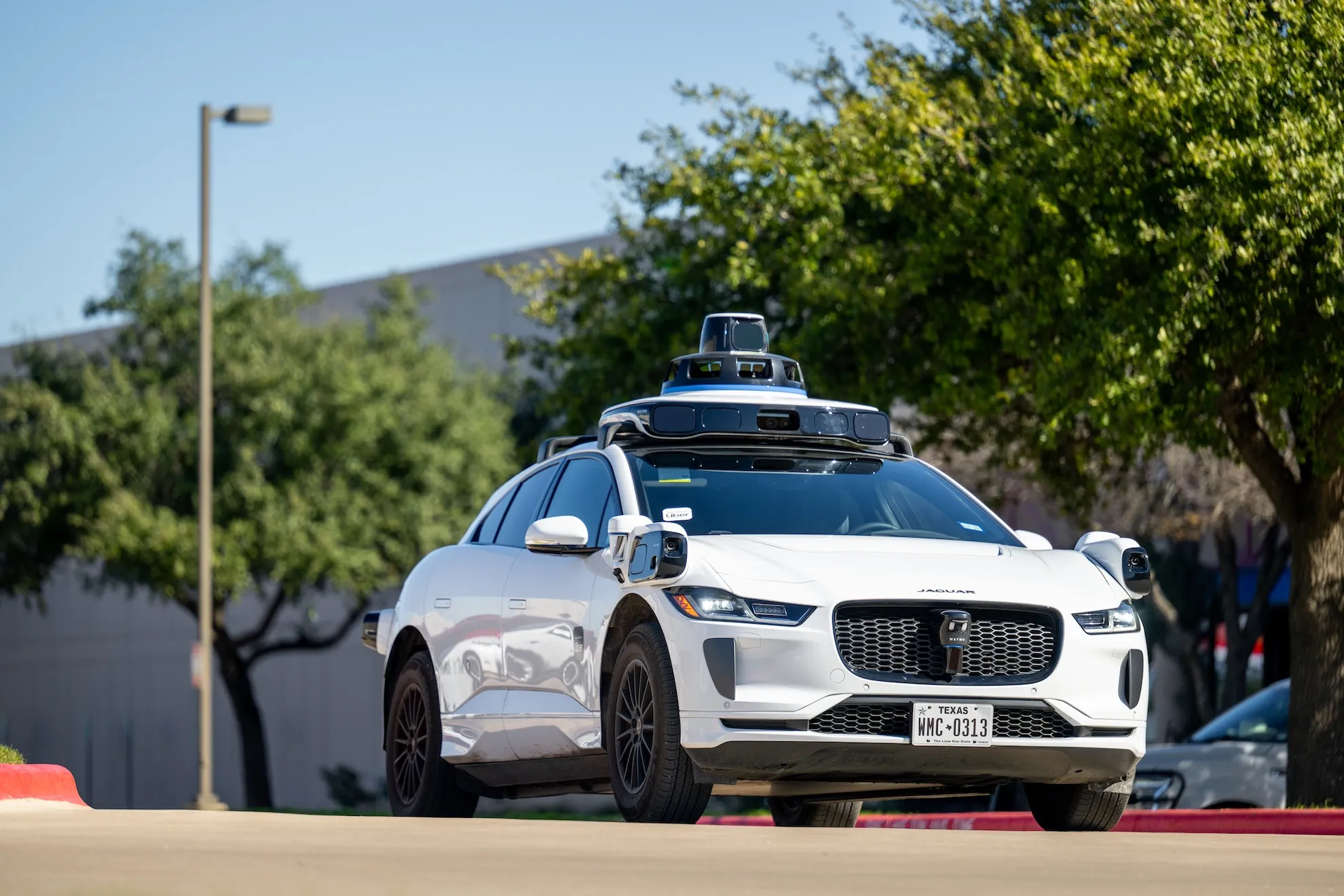
Data from the Texas Department of Motor Vehicles shows Waymo has registered 577 autonomous vehicles in the state, significantly outpacing competitors including Tesla, which has registered 42. The figures stem from a new state law requiring AV companies to disclose fleet sizes and safety information.
The Texas Department of Motor Vehicles launched a new automated vehicle tracker tool on May 28, 2026, following the implementation of a state law requiring autonomous vehicle companies to register their fleets and disclose safety information. This registry provides the first accurate public accounting of AV operations in the state. Data reveals Waymo’s dominant position with 577 registered vehicles, significantly outpacing Tesla, which has registered 42 vehicles.
While Waymo launched its commercial service in Austin in March 2025 and expanded to other major cities, Tesla began its robotaxi service in Austin in the summer of 2025 and has since expanded to Dallas and Houston. Other entities such as Avride, Nuro, and Aurora are also registered, though registration figures do not necessarily reflect the number of vehicles actively in use or a company’s current operational standing.
Avride holds the second-largest fleet with 317 registered vehicles, followed by Nuro with 47. Tesla’s robotaxi service, which launched in Austin in the summer of 2025, has since expanded to Dallas and Houston, yet its registered fleet remains at 42 vehicles. Volkswagen subsidiary MOIA has also registered 12 electric, autonomous microbuses in the state.
The size of an autonomous vehicle fleet only reveals so much about where a company stands on the leaderboard. Many of these companies, such as Nuro and Zoox, are not operating commercially. Nor do these numbers track how many vehicles are actively being used. Waymo, for instance, paused operations in some Texas cities earlier this month due to issues with how its vehicles operate around floods.
However, there is no denying Waymo’s dominance in Texas, at least for now. Over time, the tool should provide some measure of growth. Waymo launched its commercial service in Austin in March 2025 and has since expanded to Dallas, Houston, and San Antonio. The website also provides registration figures for other applications of autonomous vehicle technology, including self-driving trucks.
Aurora, a publicly traded company that launched a commercial driverless trucking business in May 2025, has 91 self-driving trucks. Big rig competitors Kodiak AI and Waabi have 33 and 13 self-driving trucks, respectively. Gatik AI, a startup that focused on self-driving mid-sized trucks, has 64 vehicles in its fleet.
