Waymo launches purpose-built Ojai robotaxi in US cities
The pale blue, van-sized Ojai debuts in San Francisco, Los Angeles, and Phoenix, featuring reduced sensor counts and snow-capable software ahead of a Chicago expansion.
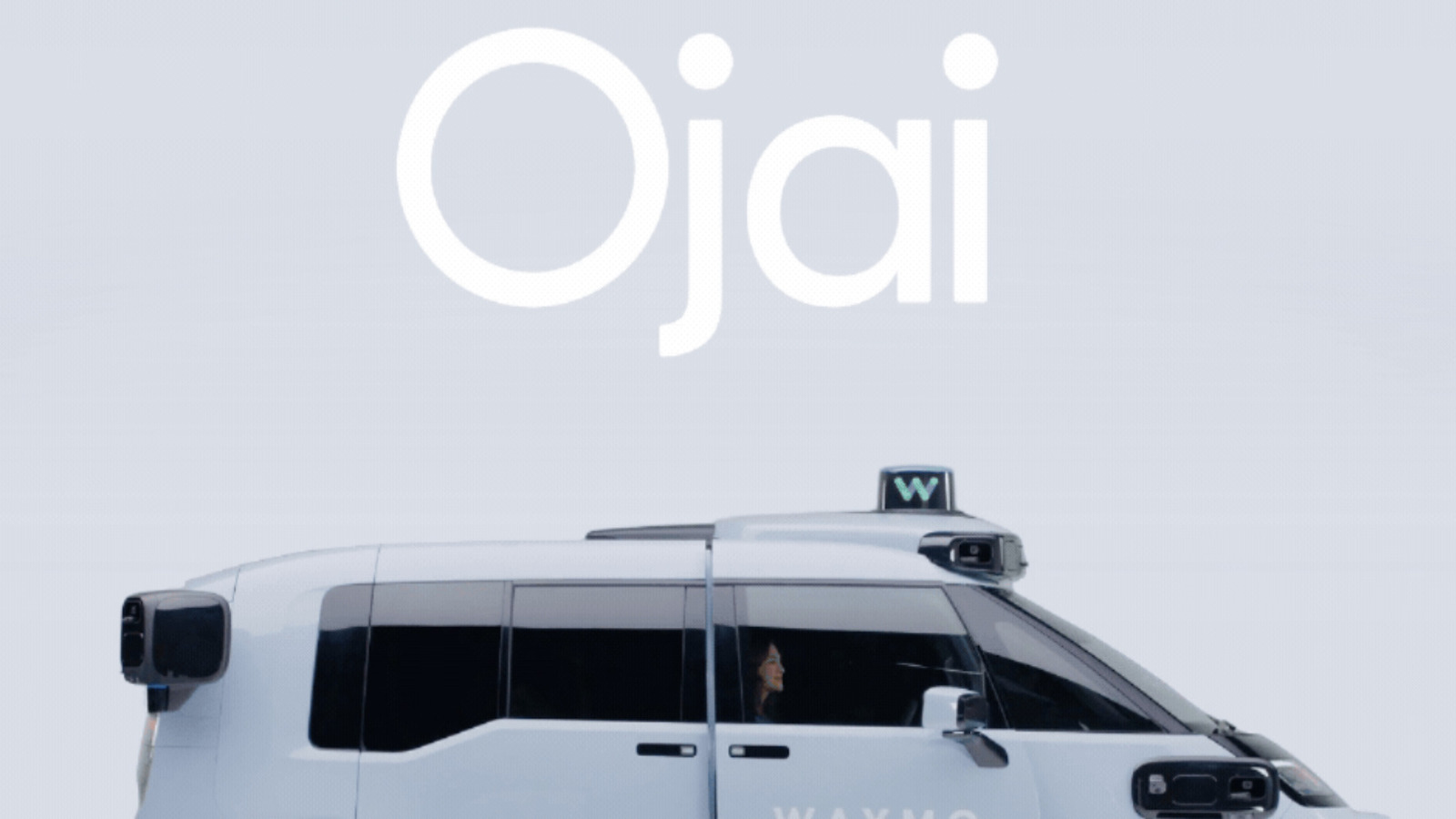
Waymo has commenced operations of its new purpose-built robotaxi, the Ojai, in San Francisco, Los Angeles, and Phoenix. The pale blue, van-sized vehicle represents a significant departure from the company’s previous reliance on retrofitted consumer cars. Manufactured by Chinese automaker Zeekr, the units are outfitted with Waymo’s sixth-generation autonomous driving hardware at a factory in Arizona. Trips are currently available free of charge for a limited period.
The Ojai is the first vehicle to utilise Waymo’s sixth-generation Driver software, a development that has allowed the company to significantly reduce its hardware requirements. According to reports, the sensor suite has been cut from 29 cameras to 13, with corresponding reductions in lidar and radar units. This streamlined approach has reportedly brought the production cost of each vehicle to under $20,000.
Inside the cabin, the vehicle offers substantial legroom, charging ports, and three screens dedicated to rear passengers. The design stands in contrast to Tesla’s recently announced Cybercab, which is described as smaller and potentially less practical for carrying multiple passengers or goods. The Ojai’s larger footprint and purpose-built nature signal a maturation in Waymo’s approach to autonomous ride-hailing.
The new software also enables operations in snowier climates, a limitation that previously restricted Waymo to warmer locations. With this capability established, the company has confirmed it is laying the groundwork for a future rollout in Chicago. This expansion builds on a fleet that currently operates in 11 major US cities and has completed over 20 million driverless trips, a volume no other competitor currently matches.
The launch follows a challenging period for the company, which suspended operations in two cities earlier this month after vehicles drove into flooded roads. This incident led to a recall of 4,000 cars. Waymo has also faced criticism regarding its vehicles’ tendency to fail to stop for school buses. Despite these operational hurdles, the introduction of the Ojai marks a strategic pivot toward lower-cost, purpose-built hardware designed for broader geographic and climatic adaptability.