Waymo develops virtual human driver to set new safety standard for robotaxis
The self-driving car company has released a behavioural model based on human cognitive responses, aiming to establish a shared scientific approach for evaluating AV safety across the industry.
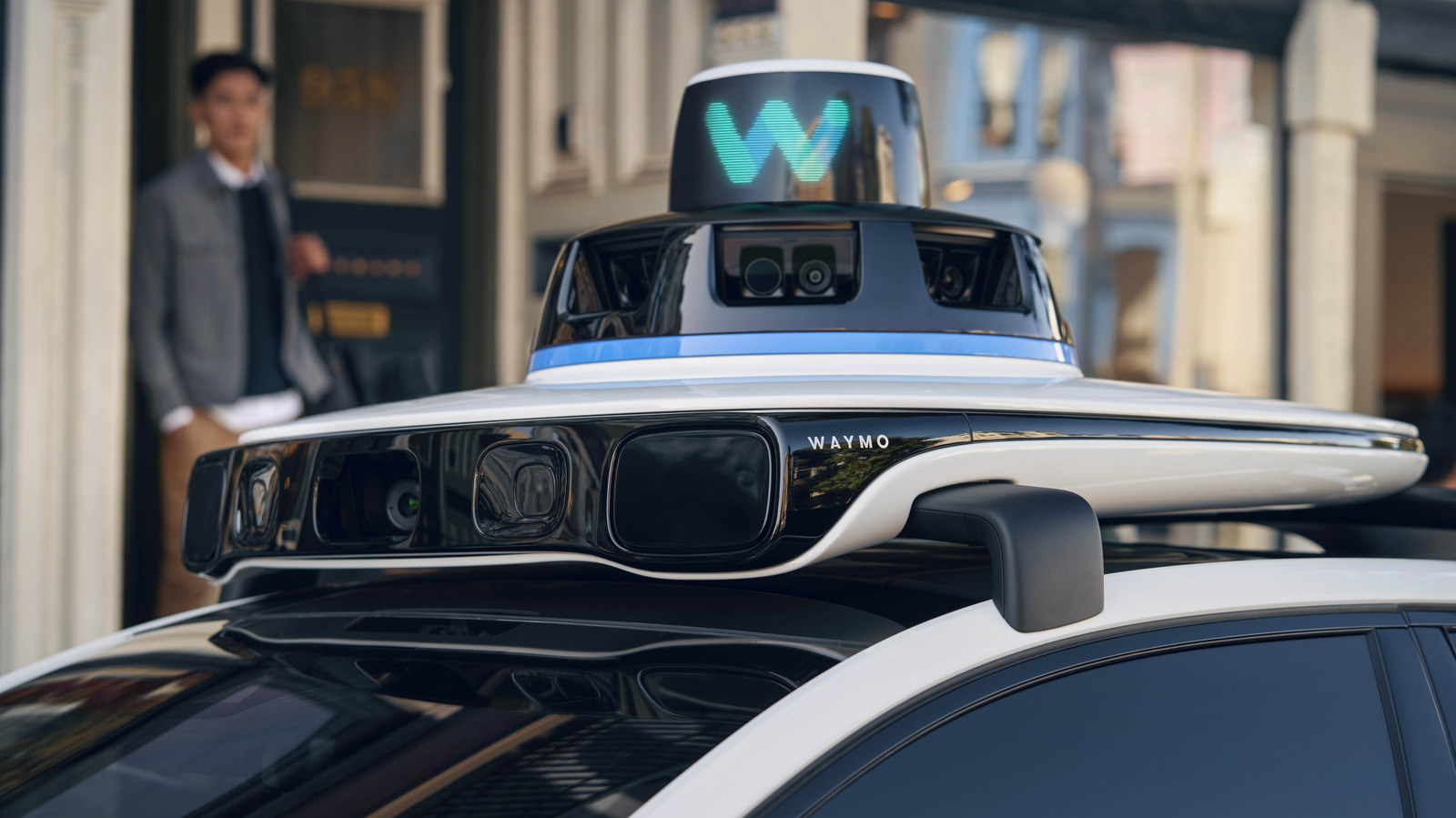
Waymo has introduced a new virtual human driver system, known as ReD (Reference Driver), designed to enhance the safety of its autonomous vehicle fleet by modelling human cognitive responses to road conflicts. Developed in collaboration with Delft University of Technology and published in the journal Nature, the system utilises the neuroscientific concept of active inference to simulate how competent drivers manage uncertainty, judge threats, and execute evasive manoeuvres.
The initiative aims to establish a scientific standard for evaluating collision-avoidance behaviour in autonomous vehicles. Waymo safety chief Mauricio Pena described the system as a behavioural crash test dummy, noting that understanding how humans handle conflict is a critical component of assessing AV safety. By creating a reference model of a careful and competent human response, the company hopes to help the broader industry move toward a shared, scientifically grounded approach to safety evaluation.
ReD is built on the premise that humans constantly attempt to minimise surprise. The model simulates how a driver updates their beliefs as situations evolve, manages uncertainty regarding the intentions of other road users, and selects appropriate evasive actions such as braking or swerving. This approach expands on Waymo’s previous autonomous driving models by focusing specifically on the cognitive processes that allow human drivers to navigate complex traffic environments.
The system incorporates specific human traits to improve its realism. It utilises a concept called 'looming' to judge threats based on the rate at which an object grows in the driver’s field of view, and employs 'traffic norm' filtering to identify actions that fall outside law-abiding behaviour, allowing the model to devise contingency plans. Additionally, ReD accounts for single-foot driving habits by introducing a 0.2-second pause between the application of the accelerator and the brake.
Waymo emphasised that the model demonstrates 'proactive avoidance', reflecting how experienced drivers anticipate potential risks to avoid entering into conflicts entirely. The company is currently working with other researchers, safety organisations, and regulators to refine the model. To accelerate industry adoption, Waymo will make ReD available as open source under an academic, non-commercial licence.
