Washington targets Iran’s trade lifelines with secondary sanctions
The US administration has threatened an “economic D-Day” by imposing secondary sanctions on the limited number of governments that facilitate the majority of Iran’s remaining foreign commerce.
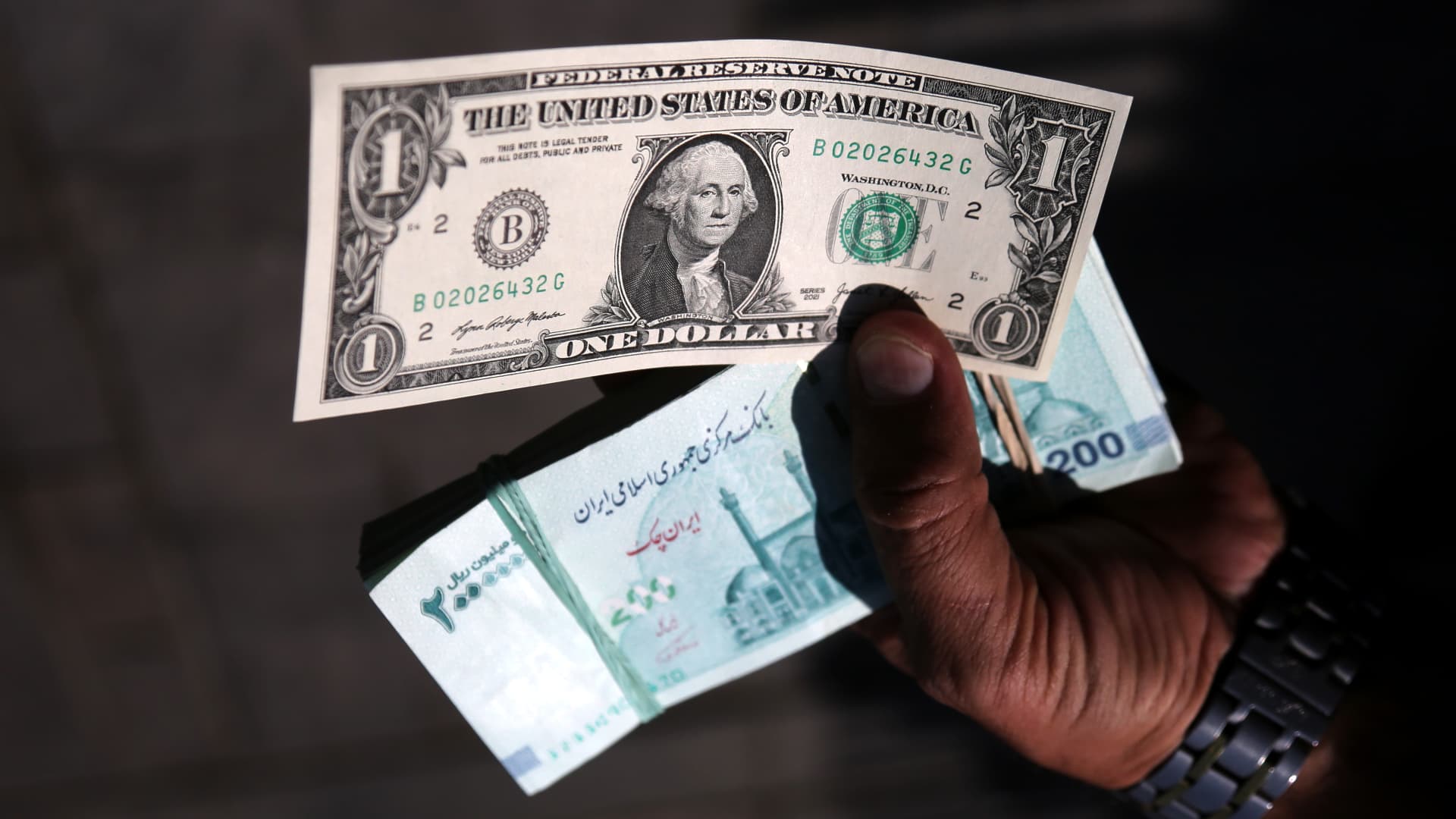
The United States has escalated its economic pressure on Iran by threatening an “economic D-Day” through the imposition of secondary sanctions. According to reporting from CNBC, this strategy is designed to target the specific group of third-party governments that currently account for the majority of Iran’s remaining foreign trade.
The measures represent a shift in focus from sanctioning Iranian entities directly to pressuring the external partners that sustain the country’s residual foreign commerce. By aiming at these trade lifelines, Washington seeks to disrupt the flow of goods and capital that keep the Iranian economy afloat.
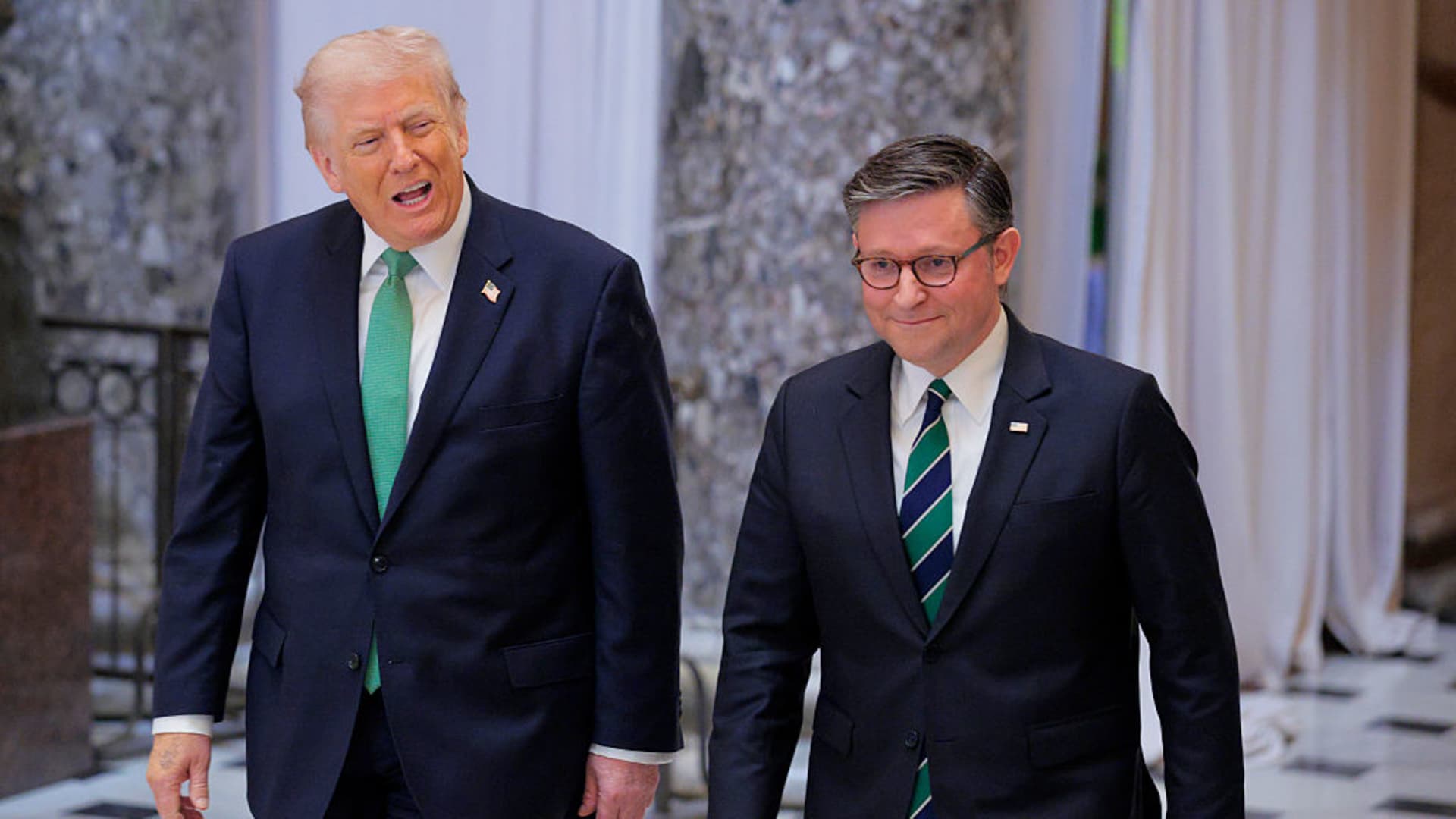
Key figures associated with the broader sanctions package include US President Donald Trump and Treasury Secretary Scott Bessent. The administration has framed the move as a critical juncture for Iran’s economic stability, using the rhetorical term “economic D-Day” to describe the potential severity of the disruption.
The Strait of Hormuz is identified as a critical geographical factor in the context of these intensified restrictions. The strategic importance of this waterway underscores the broader implications for global energy markets and trade routes, particularly as the US seeks to tighten its grip on Iran’s external economic connections.
Previous reporting from the BBC and Al Jazeera established the context of these intensified measures, with initial announcements made in late August. The current focus on secondary sanctions highlights a calculated approach to isolating Iran by compelling its trading partners to choose between their own commercial interests and exposure to US penalties.
While the specific list of countries most exposed is implied by the targeting of major trade partners, the precise timeline for the full implementation of these secondary sanctions has not yet been specified in available sources. Investors and institutions are monitoring the situation closely, aware that the pressure on third-party governments could have ripple effects across global markets.