Warsh’s quiet revolution at the Fed raises questions for hedge funds
The Financial Times reports on the opaque policy guidance, while US markets rally on Trump-Xi summit news and Nvidia chip approvals.
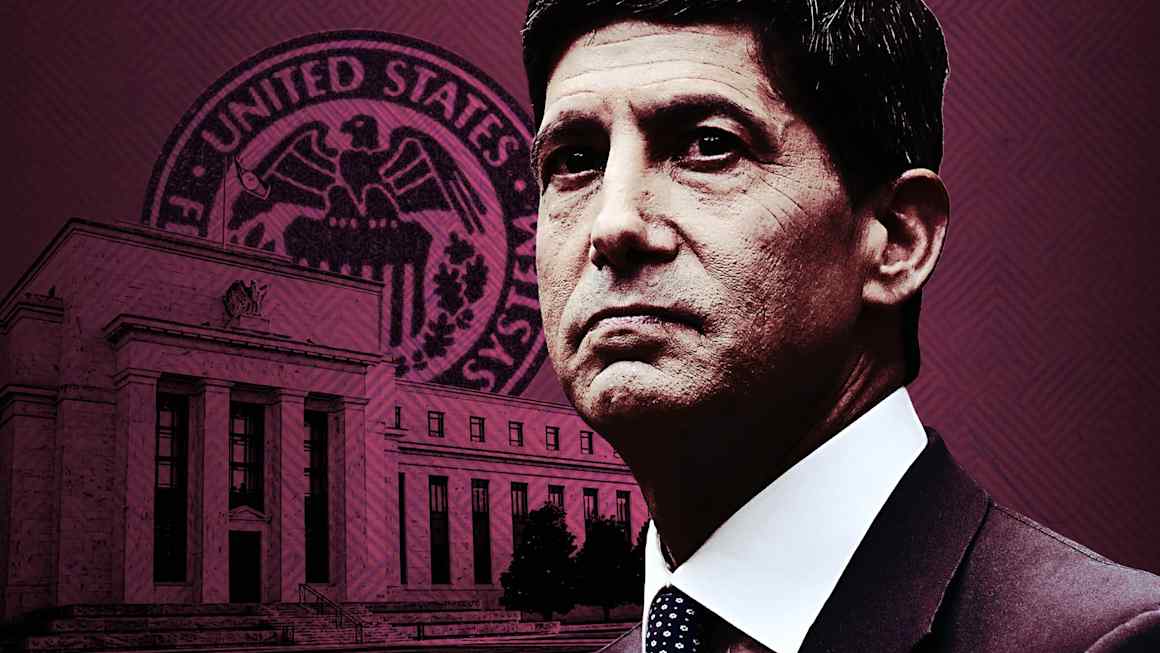
The new US central bank chief, identified in reports as Warsh, has adopted a communication strategy characterised by a distinct reluctance to signal future interest rate moves. This approach, described by the Financial Times as a quiet revolution at the Federal Reserve, represents a significant shift in how the institution conveys policy direction to the market.
The shift towards a more opaque communication style is raising questions regarding how hedge funds and other market participants will adjust their strategies. With less explicit guidance on the trajectory of interest rates, investors are left to navigate a landscape where traditional forward-looking indicators may no longer provide the same level of clarity.
This development in monetary policy communication occurs against a backdrop of broader market activity driven by geopolitical and trade developments. US stock markets rose on Thursday as President Donald Trump and Chinese President Xi Jinping commenced a two-day summit in Beijing, marking the first visit by an American president to China since 2017.
During the summit, which covers topics including trade, artificial intelligence, and the Strait of Hormuz, US equities posted gains. The Dow Jones Industrial Average gained 0.8%, the S&P 500 rose 0.3%, and the Nasdaq Composite climbed 0.2%.
Corporate movements also influenced market sentiment, with Nvidia shares surging more than 2% following news that the US approved H200 chip sales to Chinese firms. The presence of major US CEOs, including Elon Musk, Tim Cook, and Jensen Huang, at the summit underscored the high stakes of the diplomatic engagement.
While the Federal Reserve’s new chief focuses on a restrained communication style, the immediate market reaction to the Trump-Xi summit suggests that investors are currently prioritising tangible trade and technology developments over monetary policy ambiguity.
The interplay between the Fed’s new quiet approach and the broader macroeconomic environment will likely be a key focus for institutional investors in the coming weeks, particularly as hedge funds recalibrate their positions in the absence of clear rate signals.