Warsh’s Fed ‘regime change’ targets Wall Street’s financial plumbing
Kevin Warsh is pushing for a structural shift in Federal Reserve operations, focusing on clearing and settlement mechanisms rather than broad monetary policy.
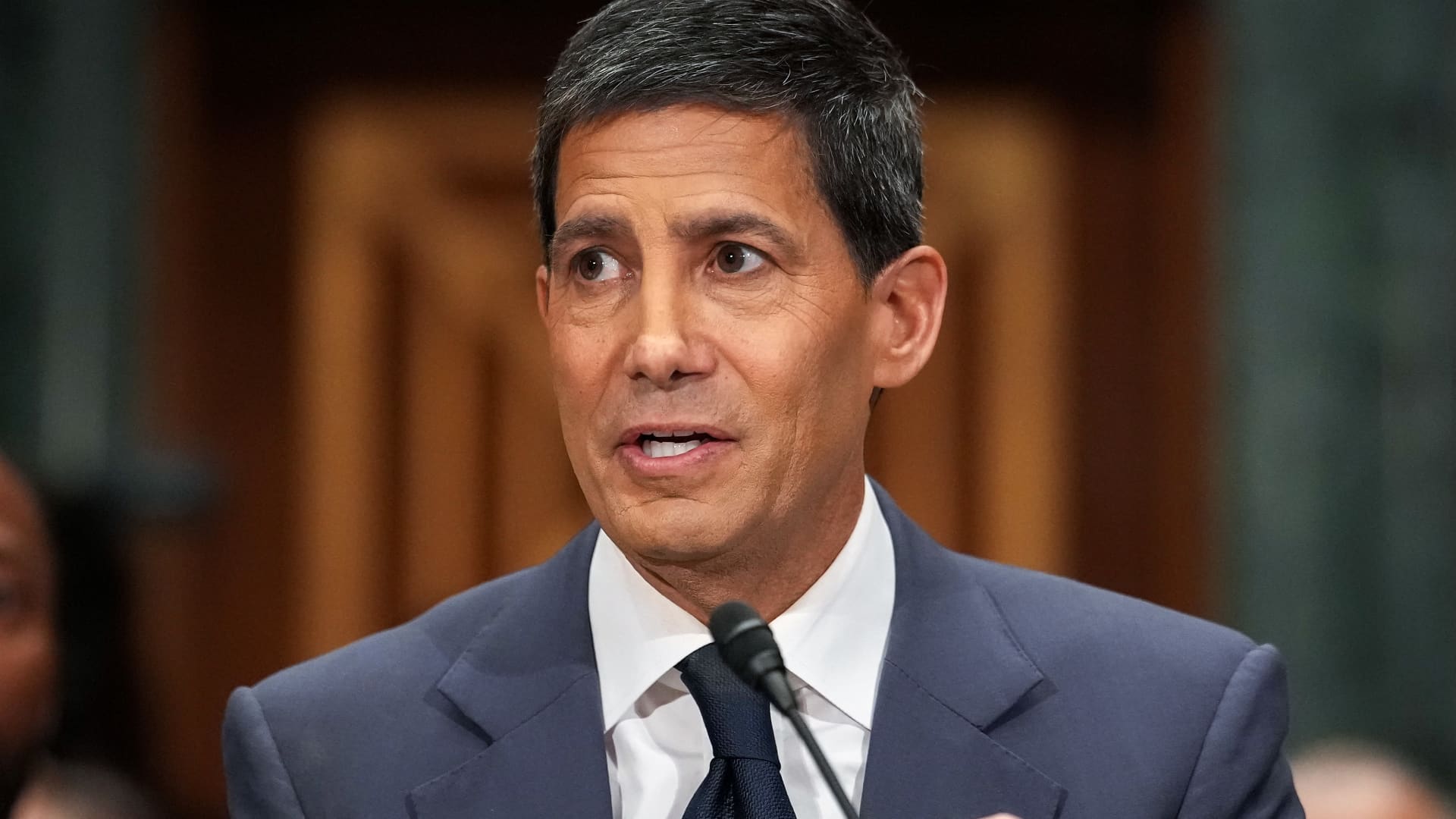
Kevin Warsh is advocating for a significant structural adjustment within the Federal Reserve, one that seeks to reduce the central bank’s involvement in the day-to-day functioning of financial markets. According to reports from CNBC, the former Federal Reserve Governor is guiding a potential ‘regime change’ that would see the institution retreat from its current level of operational engagement.
The proposed shift focuses on what is often described as the ‘plumbing’ of Wall Street. This term refers to the underlying infrastructure of the financial system, including the critical mechanisms of clearing, settlement, and repo markets. Rather than altering broad monetary policy settings, Warsh’s approach targets the mechanical processes that ensure liquidity and stability within these core financial channels.
A central component of this new framework is the establishment of clearer, more defined rules regarding when and how the Federal Reserve should intervene. The current approach has been characterised by ad-hoc responses to market stress. Under Warsh’s proposed model, the central bank would move towards a more rule-based system, delineating specific criteria that must be met before intervention occurs.
This move away from discretionary action aims to provide greater predictability for market participants. By setting explicit boundaries for central bank support, the Federal Reserve could signal a smaller, more constrained role in daily market operations. This distinction is intended to separate routine market maintenance from emergency liquidity provision, thereby reducing ambiguity in times of financial strain.
Warsh, known for his previous tenure and views on monetary policy and financial stability, appears to be championing a model where the central bank acts as a backstop governed by strict protocols rather than an active manager of daily market conditions. The implications of such a change would be felt deeply within the institutions that rely on the Federal Reserve’s facilities for short-term funding and settlement security.
As of May 22, 2026, these proposals represent a potential evolution in how the central bank interacts with the financial system. If adopted, the shift would mark a departure from recent practices, prioritising structural clarity and limited intervention over active market management. The details of the specific rules remain to be fully elaborated, but the direction points toward a more restrained Federal Reserve presence in the plumbing of global finance.