Warsh-Trump Friction Elevates S&P 500 Correction Risk as Market Tailwind Fades
Analysts warn that whether Warsh maintains independence or yields to political pressure, the resulting uncertainty and tighter financial conditions pose significant risks to the S&P 500’s recent rally.
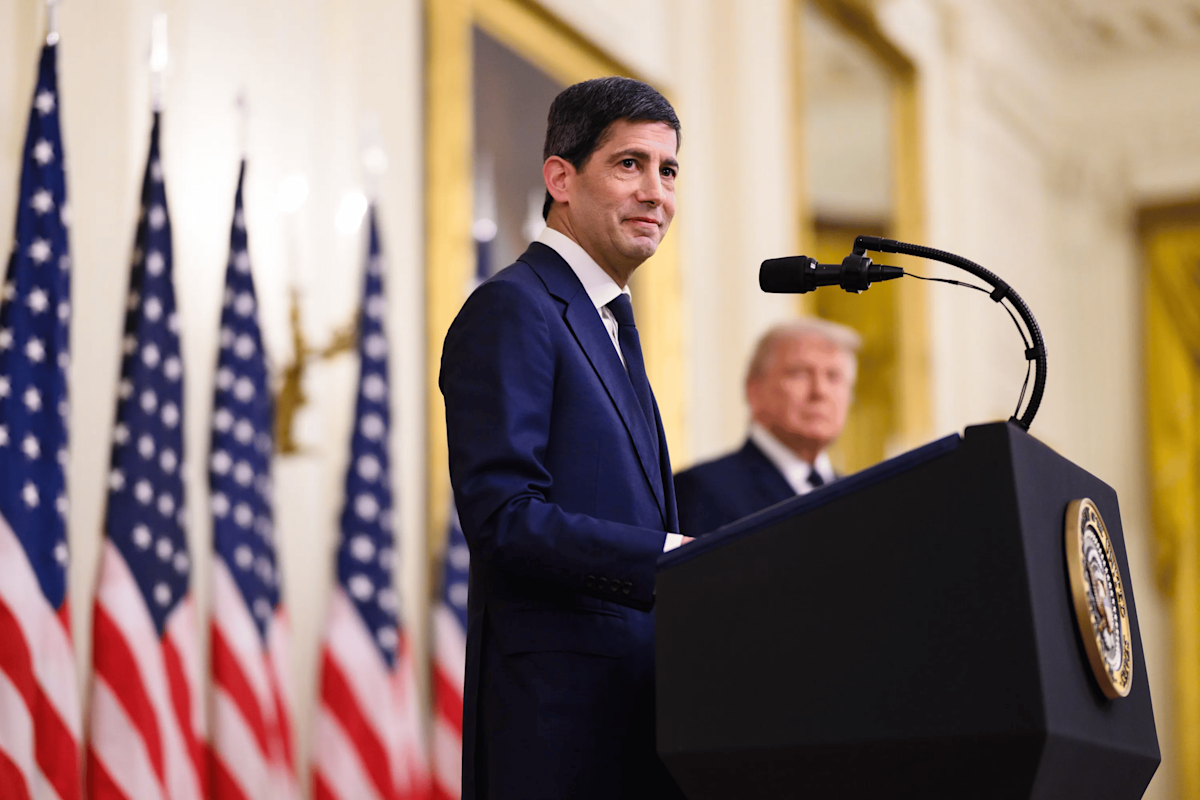
The S&P 500’s ascent throughout 2026, buoyed by expectations of lower taxes, deregulation, and supportive monetary policy, faces a significant headwind as the relationship between President Donald Trump and Federal Reserve Chair Kevin Warsh deteriorates. The optimism that once characterised the market’s outlook is giving way to concerns over policy misalignment, with analysts warning that the S&P 500 now faces increased risk of a correction.
Warsh’s confirmation earlier this year initially sparked hopes among investors that the central bank would adopt a more accommodative stance than under his predecessor. However, Warsh’s historical record as an inflation hawk during his tenure as a Fed governor from 2006 to 2011 suggests a different priority. He has consistently emphasised price stability and institutional independence, directly contradicting Wall Street’s expectations for aggressive interest rate cuts.
A central point of contention is Warsh’s support for reducing the Federal Reserve’s $6.7 trillion balance sheet. This process of balance sheet runoff drains liquidity from the financial system and places upward pressure on long-term interest rates. Such conditions typically result in higher borrowing costs, reduced market liquidity, and tighter financial environments, all of which are historically unfavourable for equity valuations.
Complicating the policy outlook are recent economic indicators that reduce the urgency for immediate rate easing. Stronger-than-expected labour market data demonstrates economic resilience, while energy price increases linked to geopolitical tensions with Iran add to inflationary pressures. Consequently, Treasury yields have risen as investors adjust their expectations, recognising that Warsh may resist political pressure to lower rates despite the White House’s desire for cheaper borrowing costs.
The current market environment is characterised by high valuations, driven by enthusiasm for artificial intelligence spending and corporate earnings growth. These elevated levels leave less room for disappointment. Historically, periods where policy expectations outran actual delivery have resulted in sharp market pullbacks, even when the broader economy remains healthy. The end of the Warsh-Trump honeymoon removes certainty, a key market tailwind, and points to a period of higher volatility and greater correction risk for investors.