Warsh targets Atlanta Fed chief selection as lever for central bank reform
The incoming chairman views the vacancy at the Federal Reserve Bank of Atlanta as a strategic opening to influence the institution’s broader policy direction, amid rising US equity markets.
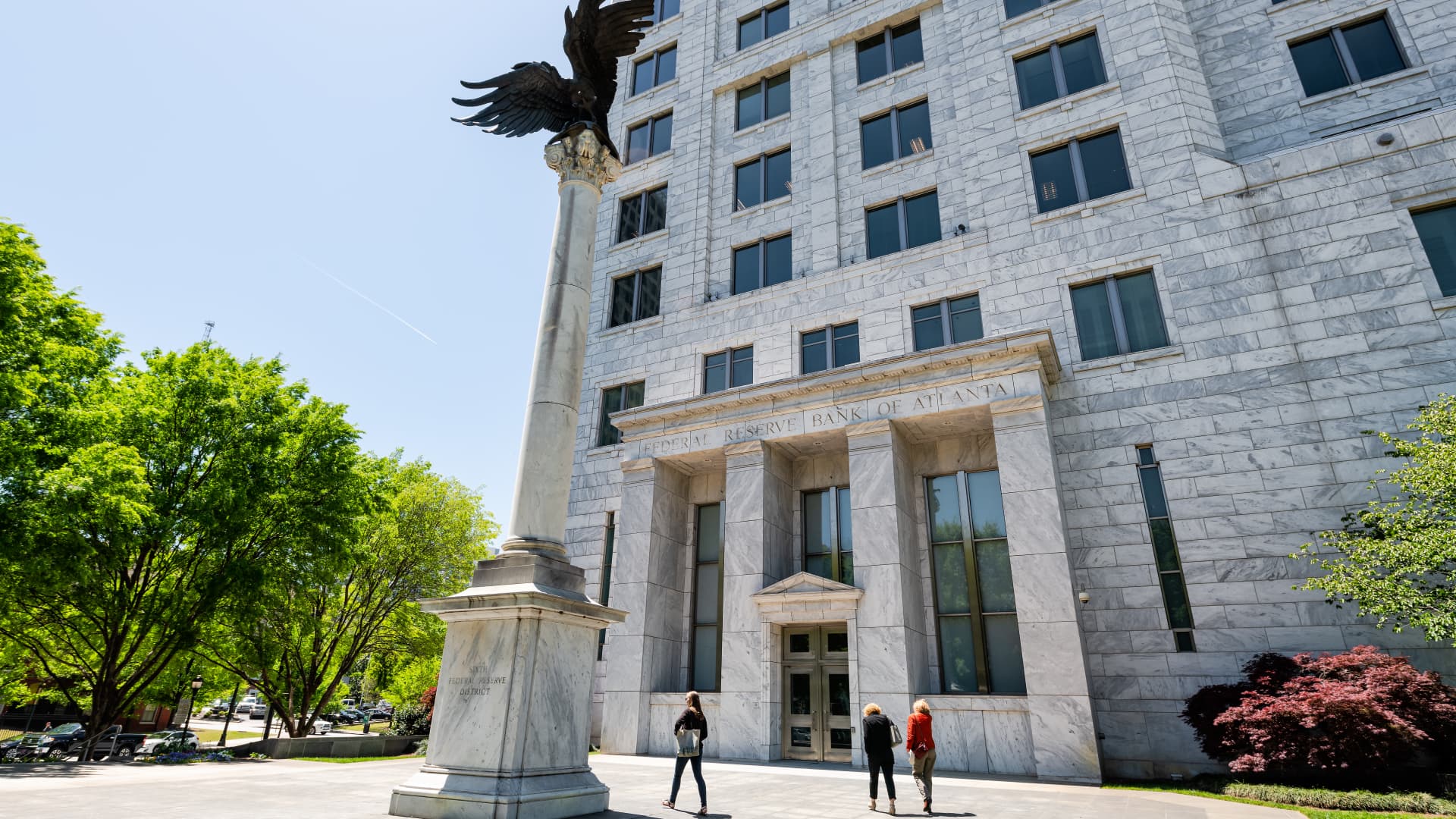
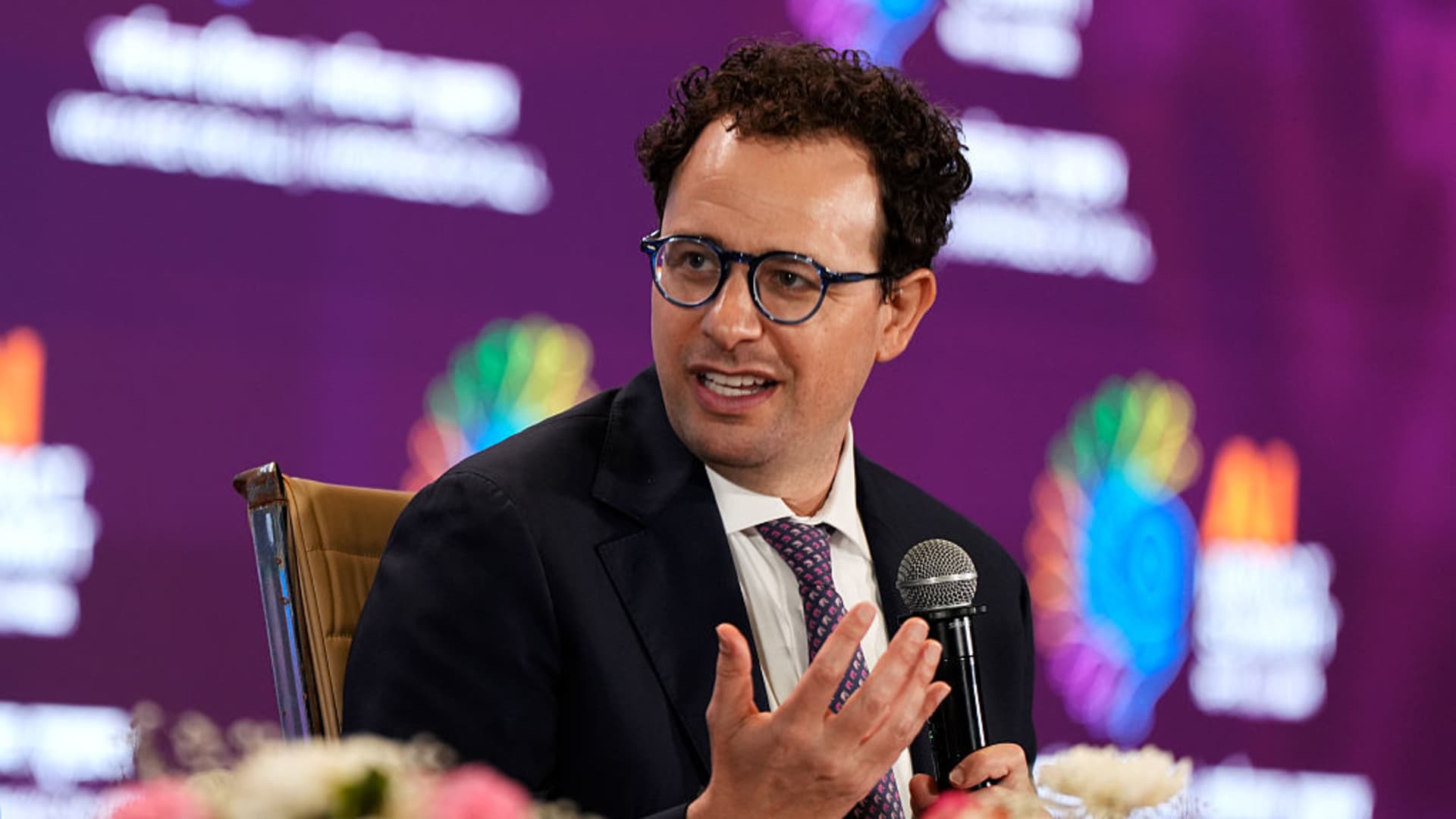
New Federal Reserve Chairman Kevin Warsh has assumed leadership of the selection process for the next president of the Federal Reserve Bank of Atlanta. The appointment carries significant weight within the central bank’s structure, with Warsh characterising the role as a pivotal opportunity to reshape the institution’s operational and policy framework.
The Federal Reserve Bank of Atlanta serves as one of the 12 regional banks comprising the Federal Reserve System. By overseeing the selection of its president, Warsh is positioning himself to influence the regional leadership that contributes to the system’s monetary policy decisions. The chairman’s stated intent suggests a focus on structural adjustments rather than mere continuity in regional leadership.
While specific details regarding the identity of the candidate have not been disclosed, the broader context of Warsh’s tenure indicates a readiness to pursue significant changes. Historical commentary suggests that reforms to inflation targeting and balance-sheet management frameworks are central to his policy ambitions, aiming to establish a more durable approach to central banking.
This development occurs against a backdrop of positive sentiment in US financial markets. Equity indices rose recently as President Donald Trump and Chinese President Xi Jinping commenced a two-day summit in Beijing. The Dow Jones Industrial Average gained 0.8 per cent, the S&P 500 rose 0.3 per cent, and the Nasdaq Composite climbed 0.2 per cent during the period.
Market participants also responded positively to trade developments, with Nvidia shares surging more than 2 per cent following news that the US approved H200 chip sales to Chinese firms. The summit agenda, which includes discussions on trade, artificial intelligence, and regional security, appears to have bolstered investor confidence even as the Federal Reserve navigates its internal leadership transitions.
The precise nature of the reforms Warsh intends to implement through the Atlanta Fed appointment remains undefined in current reports. However, the convergence of leadership changes at the regional level and broader geopolitical summits highlights a period of active recalibration for both US monetary policy and international trade relations.
Investors will be watching closely to see how Warsh’s selection criteria for the Atlanta Fed president align with his broader vision for the central bank, particularly as the institution balances domestic policy goals with global economic pressures.