Warsh signals 'regime change' as he takes helm at Federal Reserve
Kevin Warsh begins tenure on 22 May 2026, promising to pare down the $6.7 trillion balance sheet and move away from forward guidance, a shift that threatens market predictability.
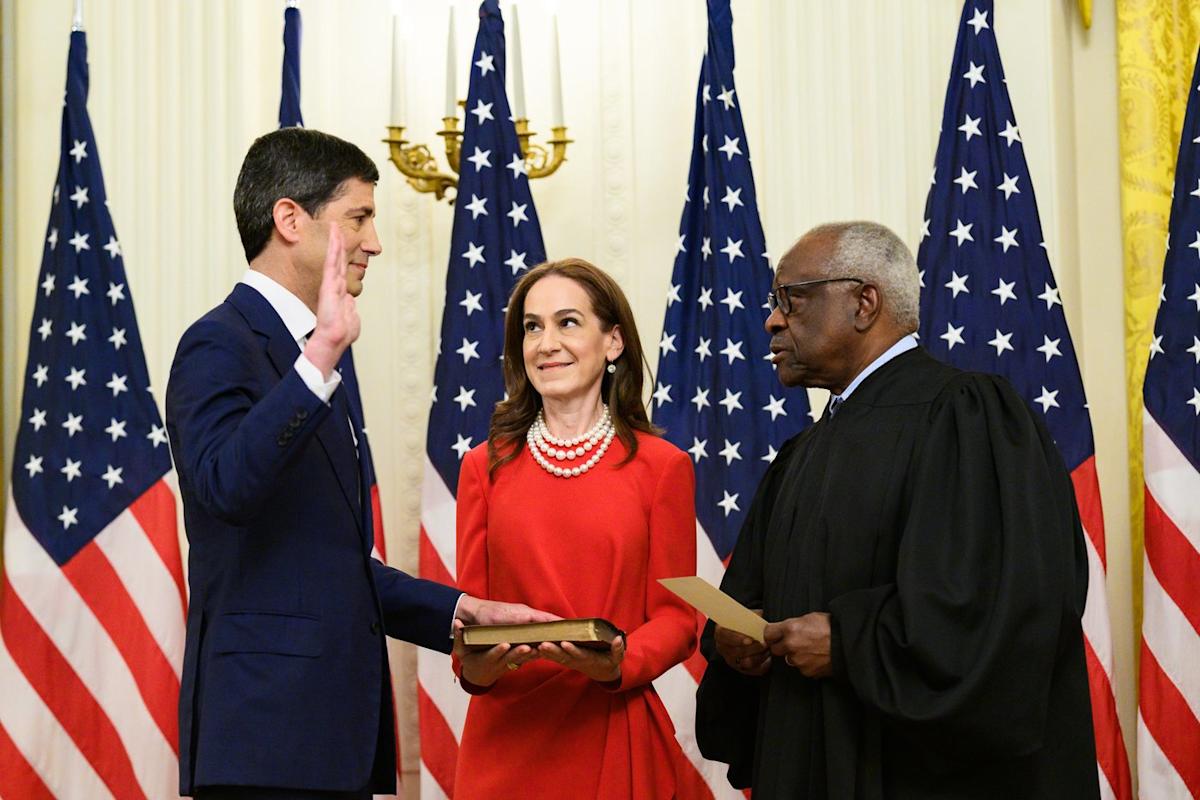
Kevin Warsh officially commenced his tenure as the 17th Chair of the Federal Reserve on 22 May 2026, succeeding Jerome Powell. Appointed by President Donald Trump, Warsh brings previous experience from his service on the Board of Governors and the Federal Open Market Committee between 2006 and 2011. His arrival marks a significant transition for the central bank, occurring against a backdrop of record-high US stock markets and ongoing diplomatic engagements between Washington and Beijing.
During a Senate Banking Committee hearing on 21 April 2026, Warsh outlined a stark departure from established monetary practices. Describing the inflation management of 2021 and 2022 as a "fatal policy error," he told Committee Chairman Tim Scott that there would be a "regime change in the conduct of policy." This seven-word declaration signals an intention to dismantle the rigid frameworks that have guided the Fed for over a decade.
Warsh intends to discard the central bank's long-standing 2% inflation target and eliminate forward guidance mechanisms such as the dot plot. He offered a new definition of price stability, stating it should be a change in prices such that no one is talking about it. This approach provides the Federal Open Market Committee with substantial flexibility to adjust monetary policy, removing the hardline predictability that investors have relied upon.
A key component of this shift involves reducing the central bank's balance sheet, which stood at $6.7 trillion in May 2026. The asset total had grown tenfold from August 2008 to March 2022, reaching nearly $9 trillion before declining. While Warsh favours interest rate tools over balance sheet adjustments, he has plainly stated his desire to meaningfully pare down assets comprising long-term Treasury bonds and mortgage-backed securities.
The potential sale of trillions in Treasury bonds carries significant market implications. Selling such a volume of debt would likely depress bond prices and boost yields, thereby increasing borrowing costs. This dynamic is akin to implementing rate hikes, a scenario that could prove difficult for an expensive, artificial intelligence-driven stock market that currently has virtually no margin for error.