Warsh signals Greenspan-style pivot as Fed weighs rate path amid inflation pressures
Federal Reserve Chair Kevin Warsh outlined a monetary strategy mirroring Alan Greenspan’s 1990s approach, emphasising flexibility and reduced forward guidance. This stance diverges from current internal Fed discussions, where officials consider holding rates steady or hiking them if inflation persists above the two per cent target.
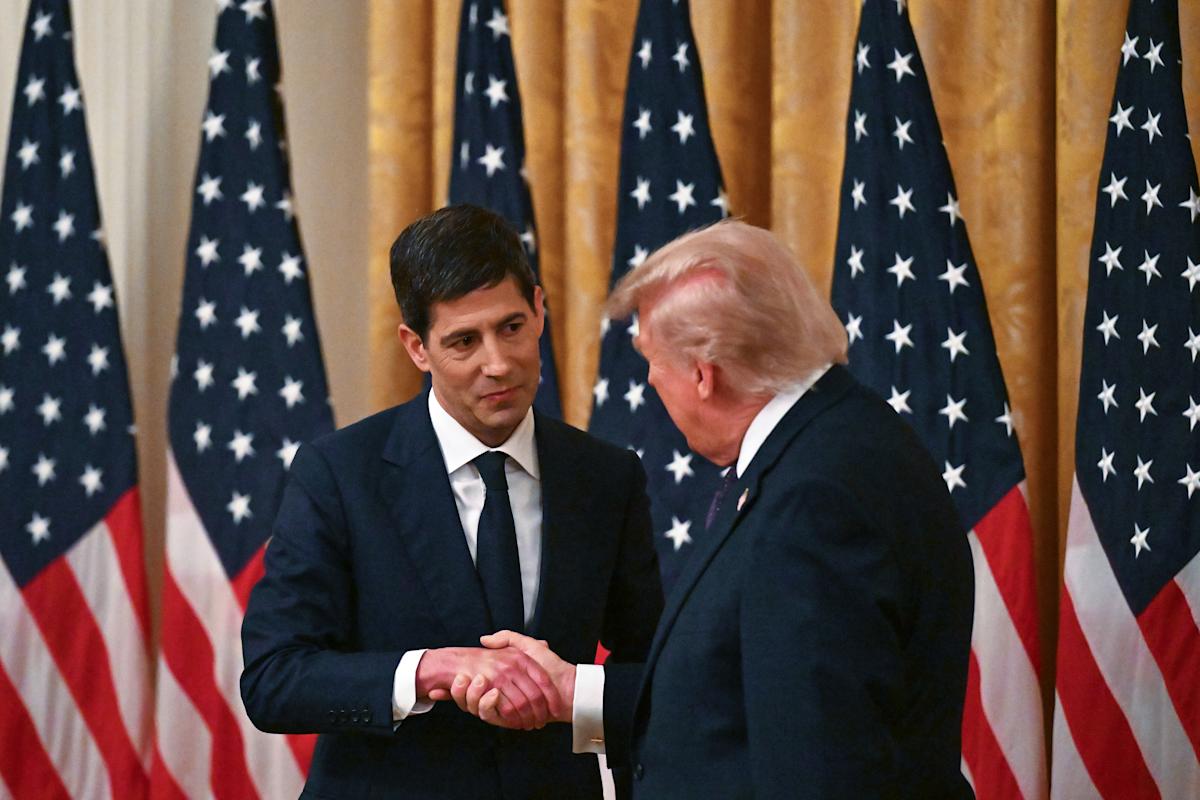
Newly sworn-in Federal Reserve Chair Kevin Warsh indicated on Friday that he intends to emulate former Chair Alan Greenspan by resisting premature interest rate hikes during technological booms and reducing forward guidance. Speaking at a ceremony in the White House East Room, Warsh described Greenspan as the first predecessor to clearly define the demands of the role, stating he aims to fill the position with similar energy and purpose.
Warsh argued that the widespread adoption of artificial intelligence will boost productivity and suppress inflation, potentially creating room for rate cuts. This view aligns with Treasury Secretary Scott Bessent, who has frequently cited Greenspan as a model for maintaining flexible monetary policy to encourage growth. Bessent advocates for an open-minded approach that avoids premature tightening, believing that technological advancements can foster non-inflationary growth.
The new chair’s approach marks a departure from the practices of current Chair Jerome Powell, particularly regarding communication. Warsh suggested that Fed officials should speak less frequently and pull back on forward guidance, and he did not commit to holding post-meeting press conferences—a staple of Powell’s tenure. President Trump, present at the ceremony, expressed support for lower interest rates to aid economic growth and assist in managing national debt, echoing Warsh’s belief that growth can help resolve debt issues without necessarily triggering inflation.
However, Warsh faces a more complex economic landscape than Greenspan did in the 1990s. Inflation has remained above the Fed’s two per cent target for more than five years, and the economy is currently grappling with pressures from oil prices and tariffs. Warsh acknowledged these challenges but expressed confidence that the years ahead could bring unmatched prosperity and raise living standards for Americans.
Internal dynamics at the Federal Reserve suggest a cautious outlook that contrasts with Warsh’s optimistic framing. Minutes from the last policy meeting reveal that several officials are considering holding rates longer than previously thought or hiking them if inflation remains sticky. A majority of officials highlighted that some policy firming would likely be appropriate if inflation persists above the two per cent goal.
Fed Governor Chris Waller, a Trump appointee, stated on Friday that he currently favours holding rates steady but would not rule out hikes if oil-driven inflation proves persistent. While some officials noted that rate cuts could be warranted later in the year if the conflict in Iran is resolved and tariff impacts diminish, the prevailing sentiment remains one of vigilance against sustained price increases.