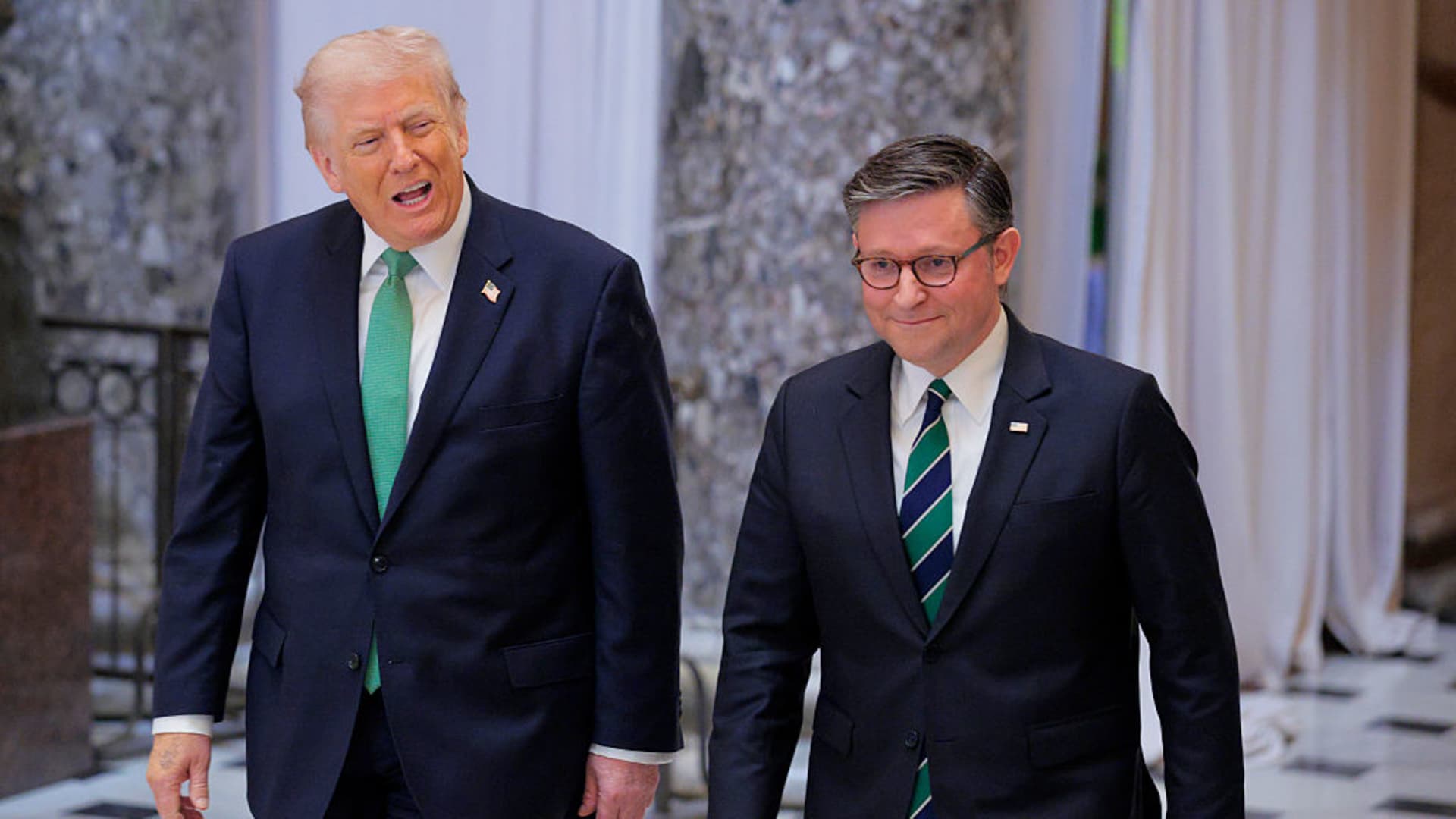
Warsh faces independence test as Bessent targets long-term yields
Treasury Secretary Scott Bessent’s push to lower long-term US Treasury yields is encroaching on Federal Reserve territory, forcing Chair Kevin Warsh to define the limits of institutional coordination.
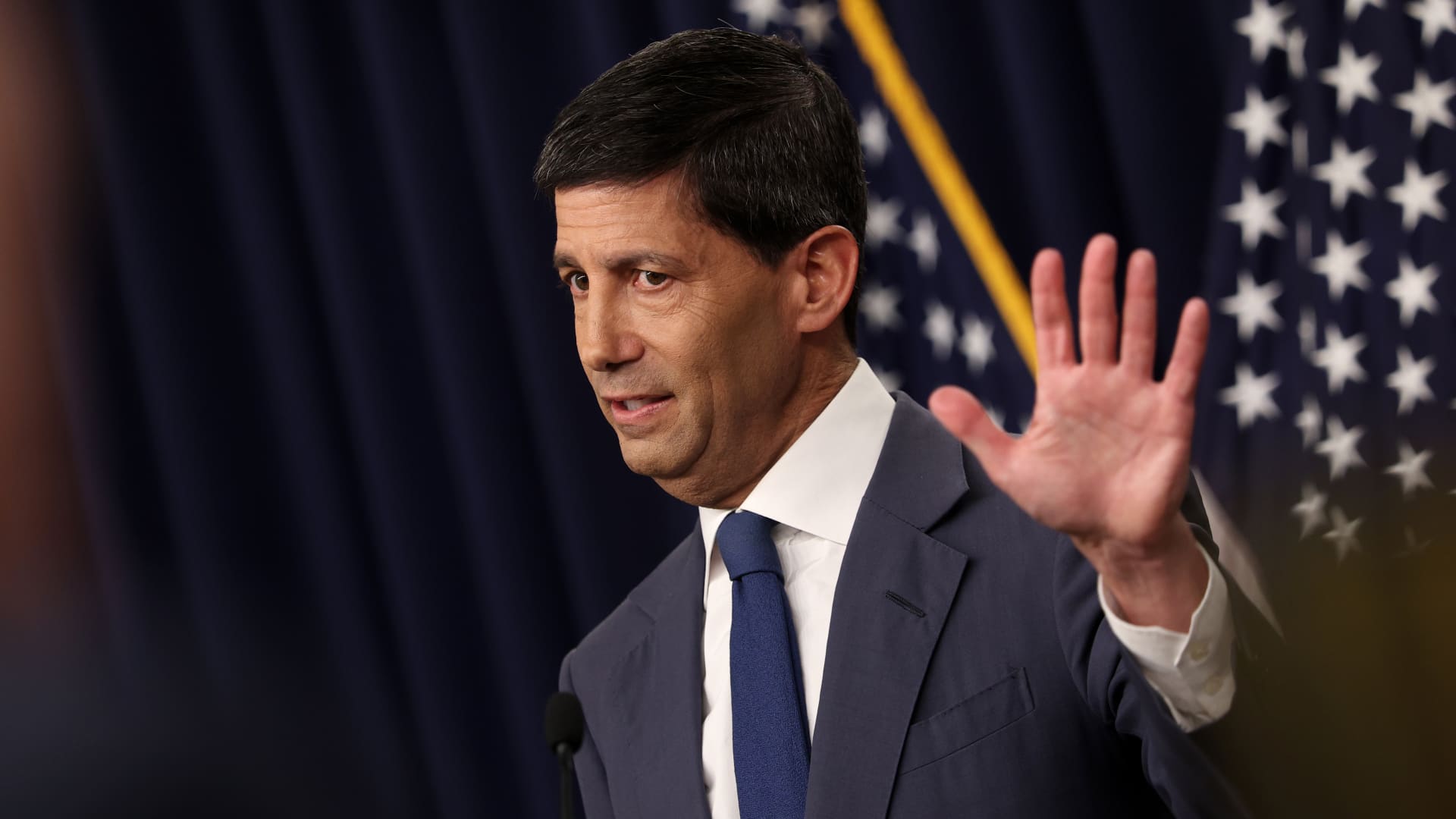
Federal Reserve Chair Kevin Warsh is facing a significant test of the central bank’s independence as Treasury Secretary Scott Bessent moves to influence the bond market. Bessent’s active effort to reduce long-term US Treasury yields is widely viewed as an encroachment on the Federal Reserve’s traditional domain, creating potential friction between the two key US financial institutions.
The core of the emerging tension lies in the balance of power over bond market management. By seeking to tamp down yields, the Treasury Department is stepping into areas historically managed by the central bank, raising questions about the appropriate degree of overlap in their respective mandates.
This development forces Warsh to clarify the extent to which the Federal Reserve should coordinate with the Treasury regarding bonds and the central bank’s balance sheet. The distinction between necessary coordination and potential subordination of the Fed’s authority is now a critical issue for markets and policymakers alike.
Investors are watching closely to see how Warsh defines these boundaries. The outcome will determine whether the Fed can maintain its autonomy in managing the balance sheet or if it must accommodate the Treasury’s objectives for long-term yield suppression.
The situation underscores a broader debate about the roles of the US Treasury and the Federal Reserve in shaping the financial landscape. As Bessent’s initiatives progress, the clarity provided by Warsh will be essential in restoring confidence in the central bank’s operational independence.
According to reporting from CNBC, this dynamic represents a pivotal moment for the relationship between the two institutions, with the potential to influence market expectations for future monetary policy.