Walmart seeks tariff refund amid political pressure on US retailers
The move comes as President Trump warns companies against ignoring refund mechanisms, though many firms are proceeding with applications regardless.
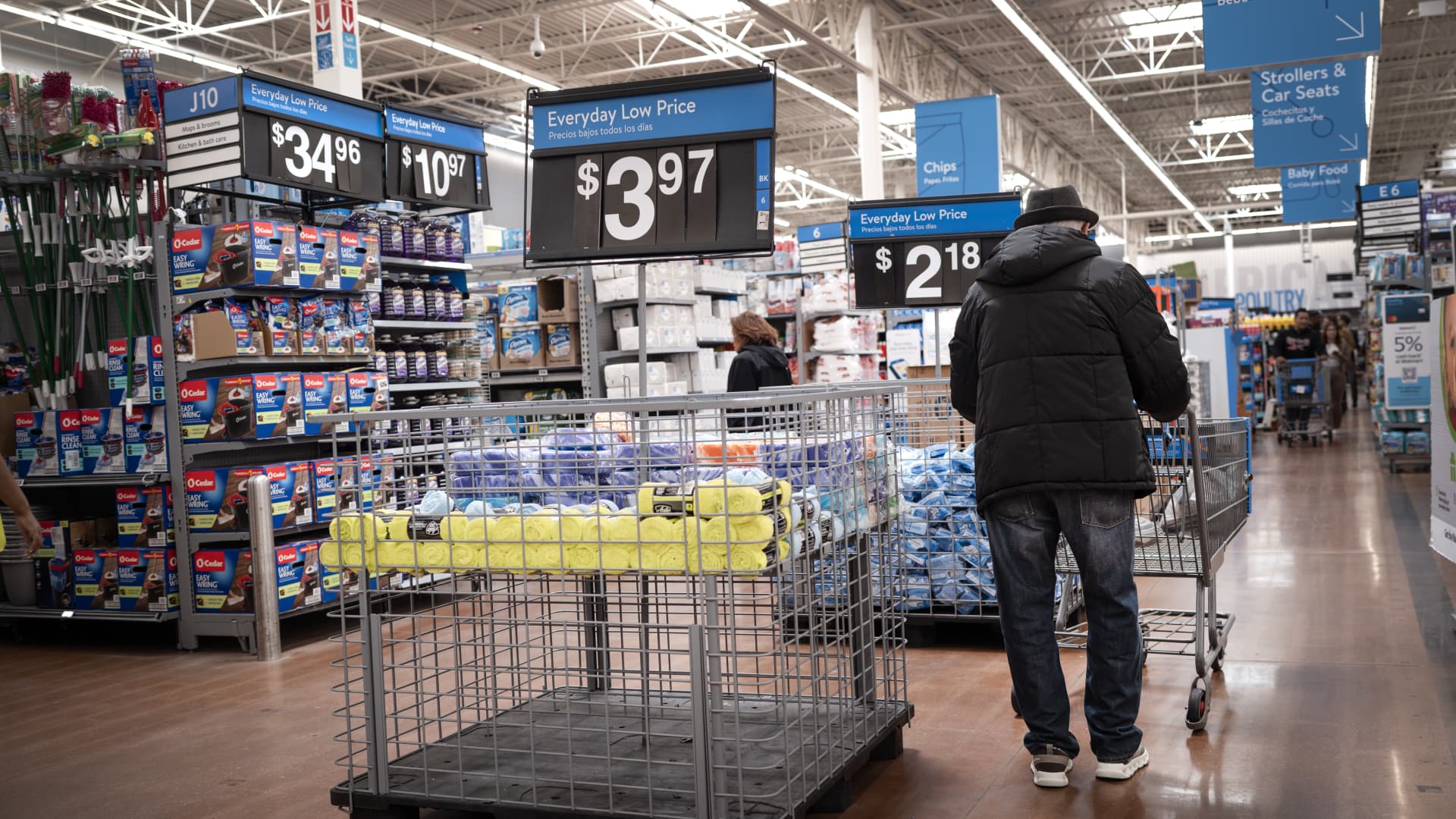
Walmart has confirmed to CNBC that it has formally applied for a refund on tariffs, marking a significant step in how major US retailers are navigating the current trade policy landscape. The retailer stated it intends to use any refunded funds to invest in lower prices for shoppers, signalling a direct pass-through strategy to consumers rather than retaining the capital for corporate balance sheets.
This application occurs against a backdrop of heightened political scrutiny. President Trump has indicated he would 'remember' companies that fail to apply for such refunds, a statement widely interpreted as leveraging political pressure to ensure corporate compliance with the refund process. Despite this warning, the broader market response suggests that many firms are proceeding with applications irrespective of the political undertones.
The confirmation from Walmart highlights the tension between government expectations and corporate financial strategies. While the administration has framed the refusal to apply for refunds as a matter of loyalty or compliance, the practical reality for large retailers appears to be driven by cost management and competitive pricing pressures. Walmart’s decision to publicly link the refund to lower consumer prices underscores the sensitivity of retail margins and the importance of price competitiveness in the current economic climate.
Although the specific timeline for the receipt of the refund and the exact monetary value sought by Walmart remain undisclosed, the company’s stance provides insight into the operational adjustments being made by major US corporations. The fact that many other firms are also proceeding with applications suggests a widespread recognition of the financial benefits of the refund mechanism, even in the face of political rhetoric.
The situation reflects a complex interplay between US trade policy and corporate behaviour. As regulators and the executive branch monitor corporate responses to tariff mechanisms, the actions of major players like Walmart will likely influence how other retailers and businesses approach similar financial opportunities. The outcome of these applications could have broader implications for retail pricing strategies and the overall impact of trade policies on consumer costs.