Walmart Q1 Earnings: Advertising Growth Masks Valuation Concerns
The retail giant reported a 7.3 per cent rise in revenue to $177.8 billion, yet its stock fell 7 per cent as investors digested inflation risks and a forward earnings multiple significantly above peers.
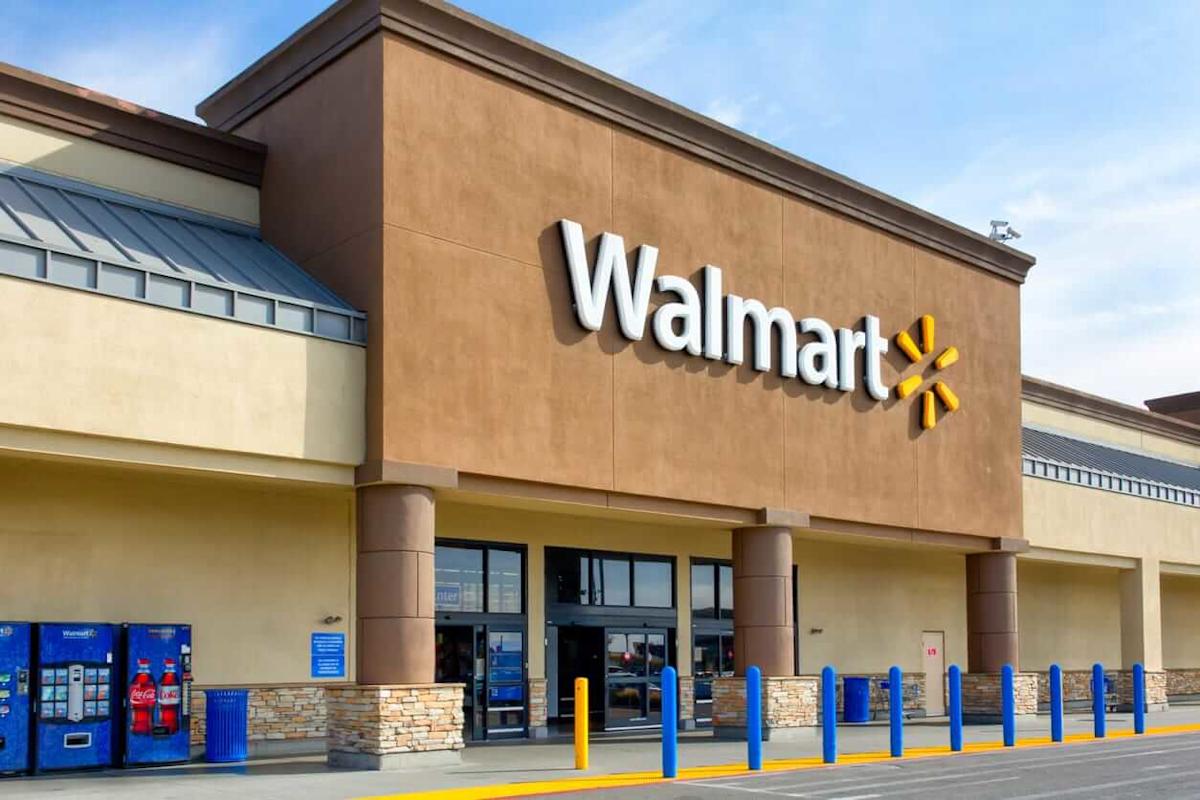
Walmart delivered solid first-quarter financial results, with revenue rising 7.3 per cent year-on-year to $177.8 billion and adjusted earnings per share increasing 8 per cent to $0.66. U.S. comparable sales climbed 4.1 per cent at Walmart stores and 3.9 per cent at Sam’s Club, indicating that consumer spending remains resilient despite broader economic pressures. The company also generated $4.7 billion in operating cash flow during the quarter.
Despite the strong operational performance, Walmart’s stock price fell 7 per cent following the release of its earnings report. The decline was driven by cautious second-quarter guidance that highlighted persistent inflation risks and rising fuel costs. Chief Financial Officer John David Rainey noted that economic uncertainty remains elevated, particularly among lower-income households, which could impact future consumer spending and transportation expenses.
A significant portion of the quarter’s growth was driven by the membership and other revenue segment, which rose 27 per cent year-on-year to $2.07 billion. This marked the first time the segment exceeded the $2 billion threshold. Advertising revenue within this segment grew by 37 per cent, contributing to a business model that increasingly resembles the high-margin advertising ecosystems built by competitors like Amazon.
Rainey stated during the earnings call that membership and advertising combined now comprise roughly one-third of Walmart’s earnings. The company’s Walmart Connect platform is monetising traffic from 280 million weekly customers across its stores and digital platforms. While the advertising business remains smaller than Amazon’s, which generated over $56 billion in ad revenue last year, the growth trajectory suggests a structural shift in the retailer’s profitability drivers.
Investors are currently weighing these growth prospects against Walmart’s premium valuation, which stands at approximately 38 times forward earnings. This multiple is significantly higher than that of peers such as Target, which trades at around 15 times earnings, although it is lower than Costco’s 51 times. The disparity in valuation multiples highlights the market’s scrutiny of Walmart’s ability to justify its price tag amidst inflationary headwinds.
While the stock may appear expensive in the short term, the company maintains its position as the dominant grocer in the United States. The emergence of a high-margin advertising and membership ecosystem offers a potential path for long-term value creation, even as the company navigates a challenging macroeconomic environment. For now, the market remains focused on the tension between Walmart’s evolving business model and its current valuation metrics.