Walmart launches Upstream Facility Services to extend in-house maintenance to commercial clients
The new business unit targets restaurants, retail outlets and financial institutions, aiming to create a diversified revenue stream beyond lower-margin grocery sales.
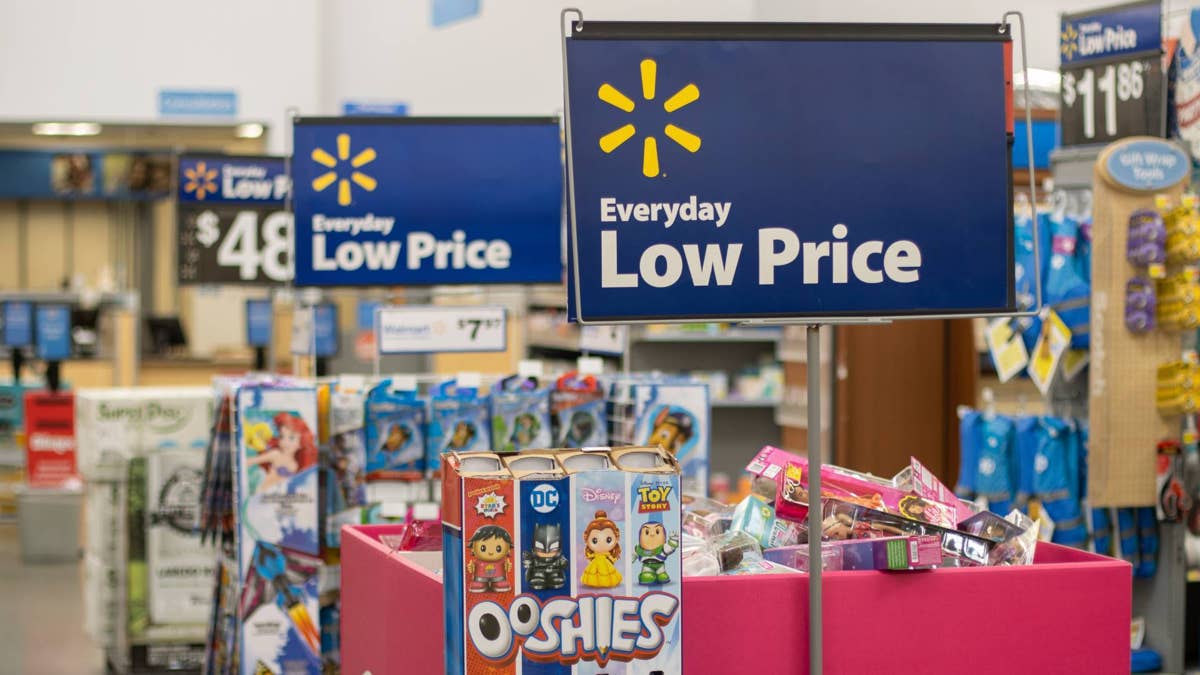
Walmart has officially introduced Upstream Facility Services, a new business unit that extends its extensive in-house maintenance operations to external commercial clients. This strategic move marks a significant diversification for the retail giant, allowing it to leverage its existing network of skilled technicians and proprietary technology to offer end-to-end facility management. The service is designed to support businesses such as quick-service restaurants, retail locations, and financial institutions by providing comprehensive maintenance solutions.
The scope of the new offering covers critical trades including HVAC, refrigeration, electrical, and plumbing. Upstream combines urgent repairs, preventive maintenance, and predictive solutions to help clients reduce downtime and extend equipment life. By utilising Walmart's established field network, the service positions technicians near commercial clients to ensure faster response times compared to traditional vendor models. This approach provides a single-vendor solution for multiple facility needs, complete with data-backed reporting, ticket prioritisation, and root-cause analysis.
Geographically, the service is currently licensed and operational in seven states: Alabama, Arkansas, Louisiana, North Carolina, Oklahoma, South Carolina, and Texas. Walmart is actively expanding its footprint as licensing permits, utilising its physical advantage where most technicians are located near Walmart facilities. This proximity enables rapid deployment for commercial partners, addressing a common business challenge for companies with multiple locations that struggle to coordinate local repair vendors effectively.
This expansion comes as Walmart continues a significant remodel programme, converting over 650 stores into Supercenters and neighbourhood markets. With 20 grand openings scheduled for 2026 and early 2027, the company is simultaneously managing its own massive infrastructure needs while preparing to sell these capabilities to others. R.J. Zanes, VP of Walmart Facility Services, noted that the company has spent years building one of the largest in-house facility service operations in the country and is now ready to take that capability beyond its walls.
Financially, the initiative aims to create a new revenue stream beyond lower-margin grocery sales, capitalising on the retailer's current financial strength. In its recent full-year reporting, Walmart recorded revenue of $713.2 billion, up 4.7%, alongside a global advertising business of approximately $6.4 billion. As the retail sector faces challenges regarding inflation and changing tariffs, this shift towards technology and service-based revenue models positions the company to diversify income sources that are not solely dependent on high-volume goods.
While the launch represents a logical step given Walmart's existing training systems and technology, the transition from internal operations to external commercial contracts requires consistent delivery of top-tier service. The company emphasises that its model is designed to scale without compromising service quality, ensuring work is performed safely and in accordance with applicable requirements. Success will depend on the unit's ability to compete effectively against established facility management firms in the targeted commercial sectors while maintaining the everyday low prices promise.