Walmart and Target Report Divergent Q1 Earnings as Retail Strategies Split
Walmart’s $175.68 billion revenue reflects growth in upper-income share and ad revenue, while Target’s earnings per share beat estimates by 17.03% despite a fall in operating income.
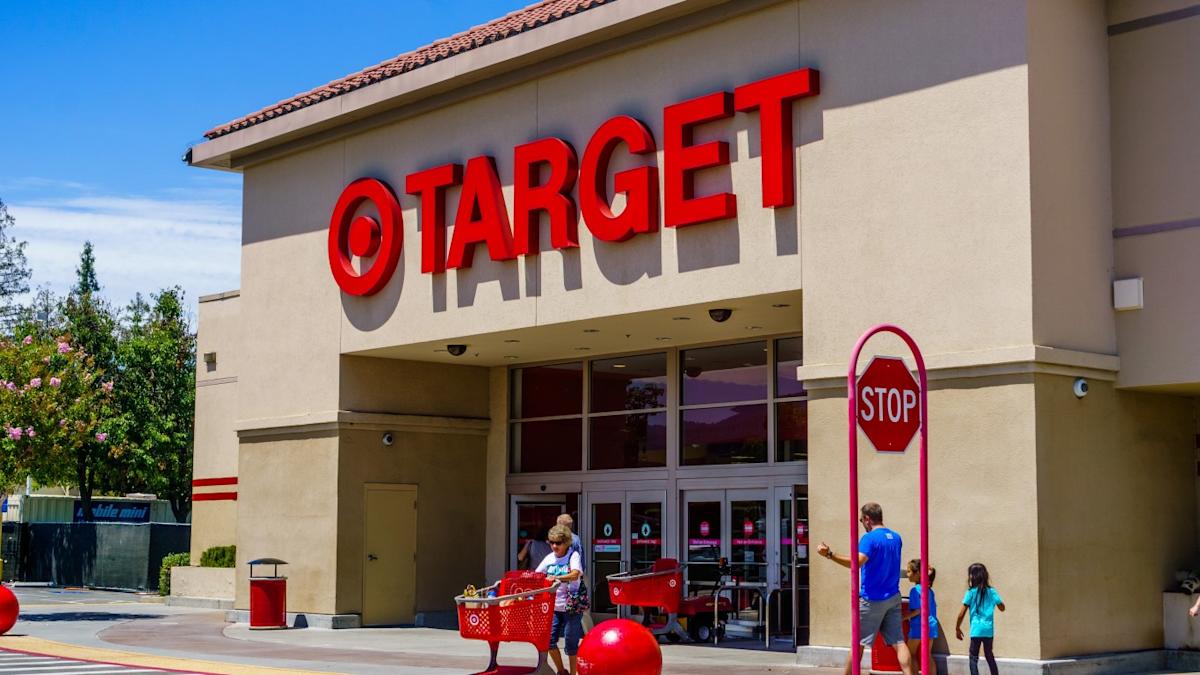
Walmart and Target released their first-quarter financial results within a day of each other, highlighting divergent strategic approaches and performance metrics. Walmart reported Q1 revenue of $175.68 billion, a 6.1% increase, driven by scale, a 44% rise in advertising revenue, and gains in upper-income market share. Target posted revenue of $25.44 billion, up 6.7%, with earnings per share of $1.71 beating estimates by 17.03%, supported by growth in apparel, beauty, and digital channels under new CEO Michael Fiddelke.
Walmart’s U.S. comparable sales rose 4.1% excluding fuel, underpinned by 3.0% transaction growth. Global eCommerce climbed 26%, marketplace sales jumped approximately 50%, and Walmart Connect ad revenue (excluding VIZIO) rose 44%. The retailer cited a 700 basis point headwind from Maximum Fair Pricing in Health & Wellness and ongoing uncertainty regarding IEEPA tariffs.
Target’s comparable sales swung to +5.6% from a -3.8% decline in the prior year, with traffic up 4.4% across all six merchandising categories. Target’s gross margin expanded to 29.0% from 28.2%, aided by Roundel ads contributing $246 million. However, Target’s operating income fell 22.89%, indicating the turnaround is in early stages despite positive top-line growth.
Walmart’s stock fell 4.61% post-earnings, trading at a forward multiple near 40x. Target trades at a 16x forward multiple with a 3.5% yield. Target’s EPS guidance range of $7.50 to $8.50 deliberately excluded tariff refund timing, leaving room for potential upside or downside surprises.
The contrasting results underscore different paths to capturing consumer spending. Walmart is leveraging scale, automation, and higher-margin ad and marketplace revenue to capture upper-income shoppers while maintaining value positioning. Target is pursuing a turnaround through elevated assortment, store refreshes, and discretionary spending revival.