Walmart and Sam's Club to roll out tap-to-pay across US stores by end of 2026
The US retail giant is ending its long-standing resistance to third-party mobile payments, with initial availability at select locations from 24 August and full coverage expected by year-end.
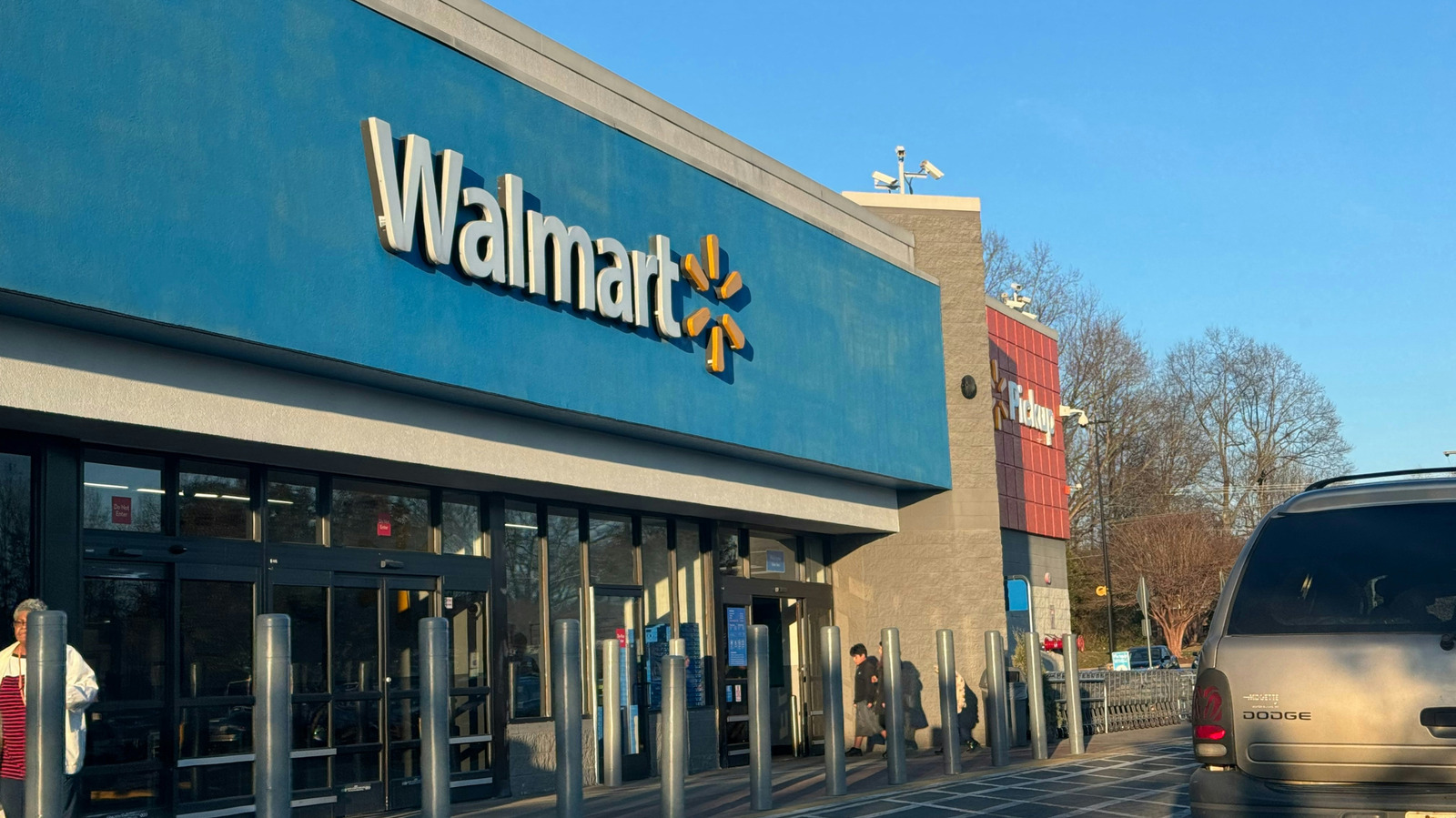
Walmart and Sam's Club will begin accepting tap-to-pay at select US locations on 24 August 2026, marking a significant shift in the retailer's approach to digital transactions. The company expects the feature to be available across all US stores and clubs by the end of the year, with fuel stations projected to follow by mid-2027.
The move allows customers to add eligible Walmart, Sam's Club, and OnePay cards to digital wallets, including Apple Pay and Google Wallet. This integration provides an additional checkout option alongside existing methods such as cash, credit cards, and the proprietary Walmart Pay system.
Walmart has historically been slow to adopt third-party contactless payments, a strategy that has now been overtaken by competitors. Home Depot, for instance, fully embraced tap-to-pay in 2024, while other retailers such as Subway and Walgreens supported Google Wallet as early as 2011. Apple Pay has also been available in the market since 2014.
The retailer frames the update as part of a broader effort to make managing and using money easier for customers and members. By expanding checkout options, the company aims to align with consumer expectations for seamless digital payments across its extensive network of stores and clubs.
While the timeline for full store availability is described as a target rather than a guaranteed deadline, the initial rollout on 24 August represents the first concrete step in this transition. The specific criteria for which cards are eligible for digital wallets have not been detailed, but the inclusion of OnePay cards suggests a comprehensive approach to the company's payment ecosystem.
The adoption of tap-to-pay positions Walmart and Sam's Club to compete more effectively in a market where mobile payments have become standard. As the rollout progresses, investors and consumers will watch to see how quickly the technology is integrated into fuel stations and whether the expanded payment options drive increased customer engagement.