Wallace Shawn: On stage, screen and the cost of conviction
From the rigours of solo performance to the realities of Hollywood casting, Shawn reflects on a career defined by artistic integrity and political clarity.
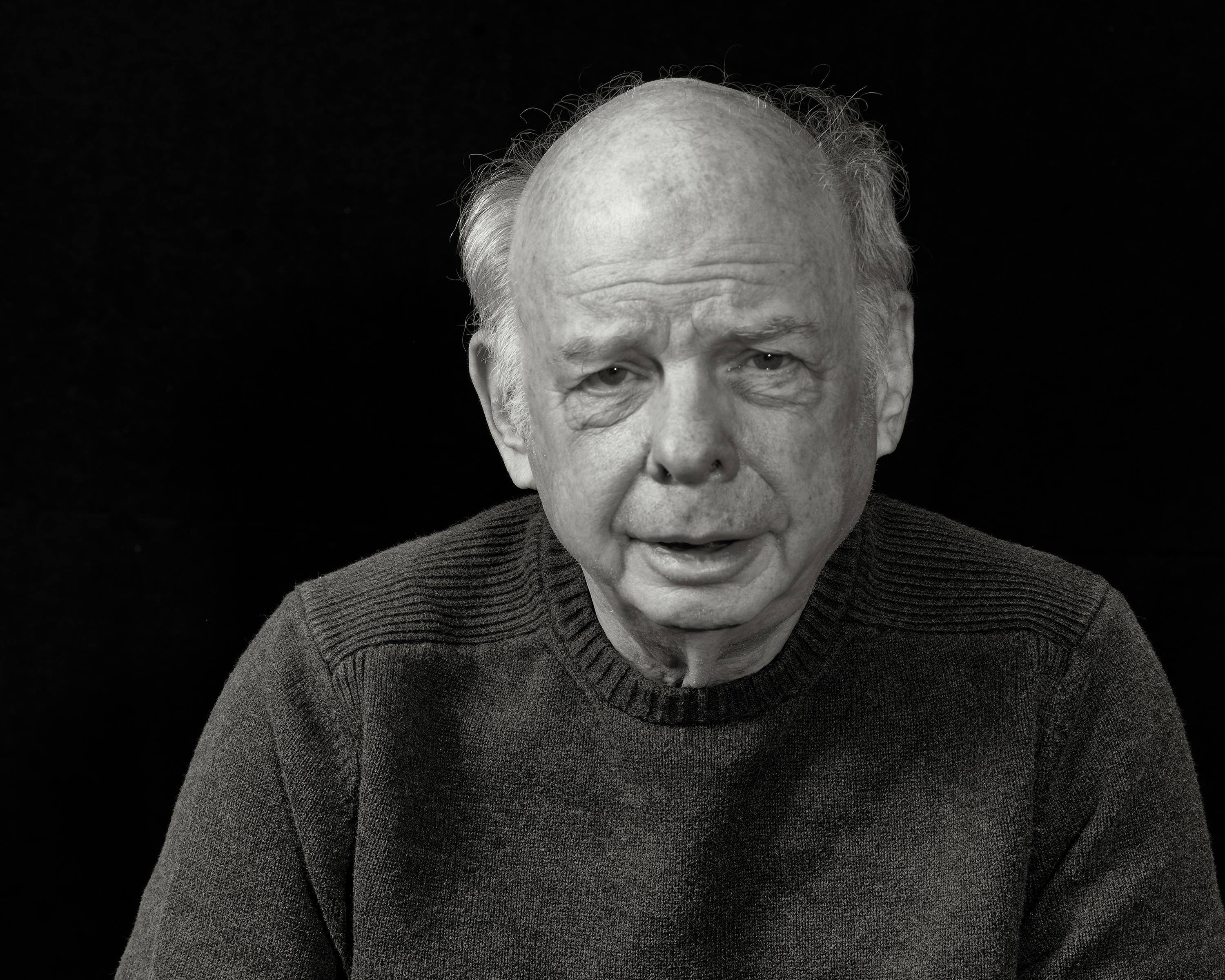
At 82, actor and playwright Wallace Shawn remains as frank and fired-up as ever, balancing two hit stage productions with upcoming roles in major film projects. In a recent interview with The Guardian Culture, Shawn discussed his current work in The Fever and What We Did Before Our Moth Days, alongside his voice role in Toy Story 5 and his portrayal of architect Buckminster Fuller in The Man Who Changed the World. The conversation offered a rare glimpse into his personal boundaries, his views on industry casting practices, and his unwavering political stance.
Shawn’s approach to his craft is characterised by a distinct lack of pretence, a trait he maintains even in his personal interactions. When asked about casting decisions for his latest play, he offered a polite but firm refusal to elaborate, setting a clear boundary that defines his public persona. This sense of self-protection extends to his personal life, where he has deliberately avoided psychotherapy. He draws a parallel to Barbra Streisand’s reasoning, suggesting that an interest in one’s own motivations is not always necessary for a functional life, a philosophy that has allowed him to focus on his work without internal excavation.
Despite a career spanning more than 200 screen credits, including iconic roles in The Princess Bride and Marriage Story, Shawn expresses frustration with the limitations placed on him by Hollywood. He notes that his typecasting as an avuncular comic relief figure has not translated into more dynamic leading roles. “A lot of people don’t think I can act,” he observes, suggesting that if his capabilities were fully recognised, he would be offered different parts. Nevertheless, he acknowledges his own competence in these roles, citing his recurring part in Young Sheldon as an example of professional acquittal rather than a mistake.
His artistic output is driven by a desire for singular expression rather than commercial appeal. Shawn’s latest stage work, What We Did Before Our Moth Days, is a darkly satirical study of an upper-crust family grappling with grief and infidelity, inspired by the semi-public affair his own father had while serving as editor-in-chief of The New Yorker. He also continues to perform The Fever, a blistering two-hour monologue that critiques capitalism and moral decay. Shawn describes the performance as a physical feat at the absolute limit of his ability, a testament to his enduring commitment to challenging material.
Beyond the stage and screen, Shawn is a vocal member of Jewish Voice for Peace and has been critical of the Israeli government’s actions in Gaza following the events of 7 October 2023. He has also condemned Columbia University for penalising students involved in peaceful protests against the institution’s ties to Israel, accusing academic bodies of yielding to donors and political pressure. Shawn acknowledges that his political awareness has consequences, noting that he is aware of criticisms he has not read, yet he remains steadfast in his beliefs and his work.
The interview took place against the backdrop of a retrospective of his films at the Metrograph cinema in Manhattan, where fans gathered to meet the actor. Shawn’s humility was evident as he signed posters and engaged with staff, deflecting praise with characteristic modesty. His upcoming projects, including the Toy Story sequel and the drama about Buckminster Fuller, promise to continue his tradition of exploring complex, often unconventional characters.
For Shawn, the duality of his career—spanning blockbuster franchises and avant-garde theatre—is a source of pride. He accepts that not everyone will understand his choices, quipping that those who disagree either secretly know he is right or value his personal character enough to overlook his oddities. As he continues to perform and create, Shawn remains a singular figure in American culture, unapologetic in his artistry and his convictions.