Wall Street warns of 'borderline mania' as AI semiconductor rally pushes S&P 500 to 7,500
The Philadelphia Semiconductor Index has surged 70% since late March, lifting Nvidia’s valuation past $5.5 trillion and prompting comparisons to the dot-com era, even as inflation concerns reshape monetary policy expectations.
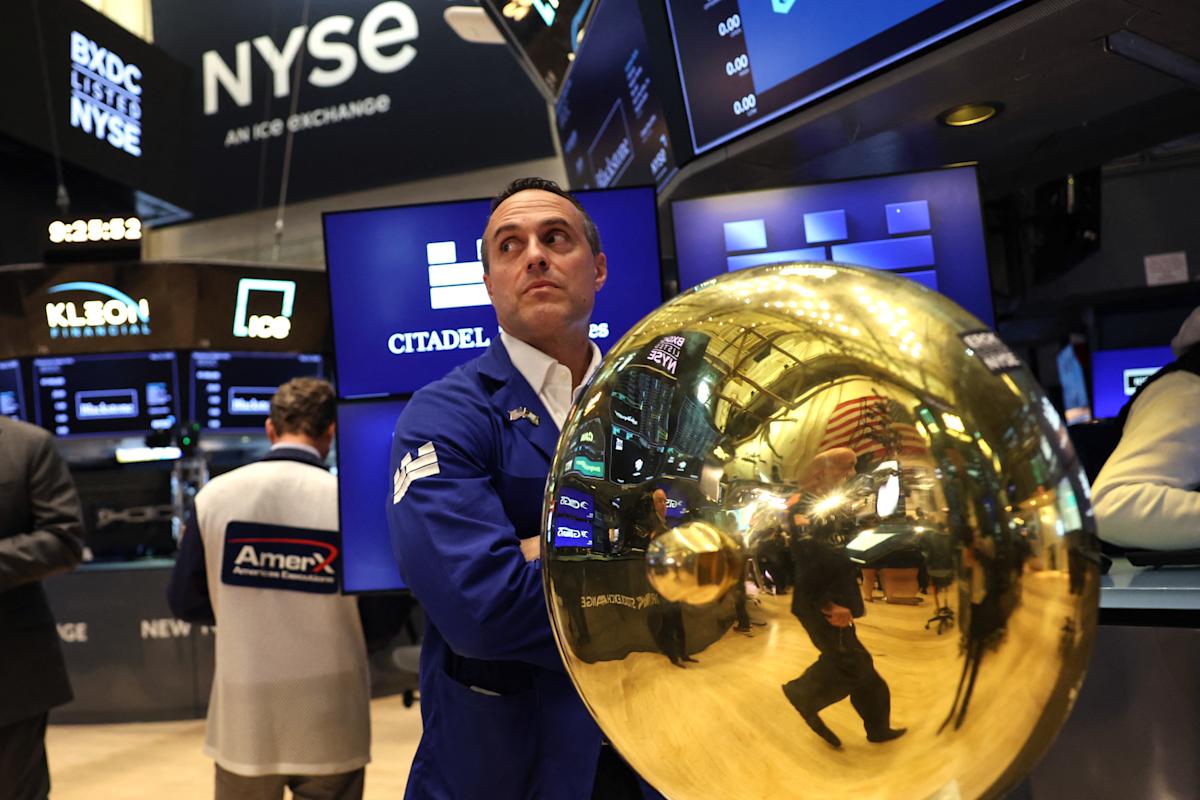
Wall Street strategists are issuing stark warnings of market euphoria following a sharp rally in artificial intelligence-driven semiconductor stocks. The Philadelphia Semiconductor Index has surged approximately 70 per cent since market lows recorded on 30 March, a move that has helped push the broader S&P 500 to 7,500. The frenzy has lifted valuations for major chipmakers including Nvidia, Micron, Intel, and Cisco, with Nvidia’s market capitalisation topping $5.5 trillion last week.
The intensity of the rally has drawn uncomfortable parallels to the 1999 dot-com era. Steve Sosnick, chief strategist at Interactive Brokers, described the current sentiment as borderline mania, questioning whether equities were mispriced just six weeks ago. While Evercore ISI noted that the market mood feels similar to the late 1990s, analysts emphasised that current stock valuations remain significantly below the peaks seen during that historical period.
New market entrants have also contributed to the volatility, with Cerebras surging 68 per cent on its debut, marking the largest market debut of 2026. However, strategists at Northwestern Mutual Wealth Management Company warned investors against concentrating too heavily on narrow segments of the market, cautioning that the assumption of perpetual profits in these sectors poses a significant risk.
Concurrently, macroeconomic headwinds are reshaping interest rate expectations. Rising energy costs and entrenched inflation have prompted major financial institutions, including Goldman Sachs and UBS, to delay one of their two expected interest rate cuts from later this year into 2027. RSM chief economist Joe Brusuelas stated that forward-looking central bankers are unlikely to argue for rate cuts given accelerating inflation in food, shelter, and transportation, with Polymarket assigning a roughly 70 per cent probability that no rate cuts will occur this year.
Despite the delay in monetary easing, some firms have raised their year-end S&P 500 targets. Yardeni Research increased its target to 8,250 from 7,700, citing a surge in consensus earnings estimates for 2026 and 2027 that exceeded previous forecasts. The firm noted that consensus earnings expectations have risen more quickly for the current and coming years than previously observed, even as Evercore ISI warned that triple-digit oil prices could turn the market more cautious.