Wall Street rebounds as investors return to semiconductor stocks
US markets posted modest gains on Thursday, driven by renewed interest in artificial intelligence-linked equities and the commencement of high-level trade talks in Beijing.
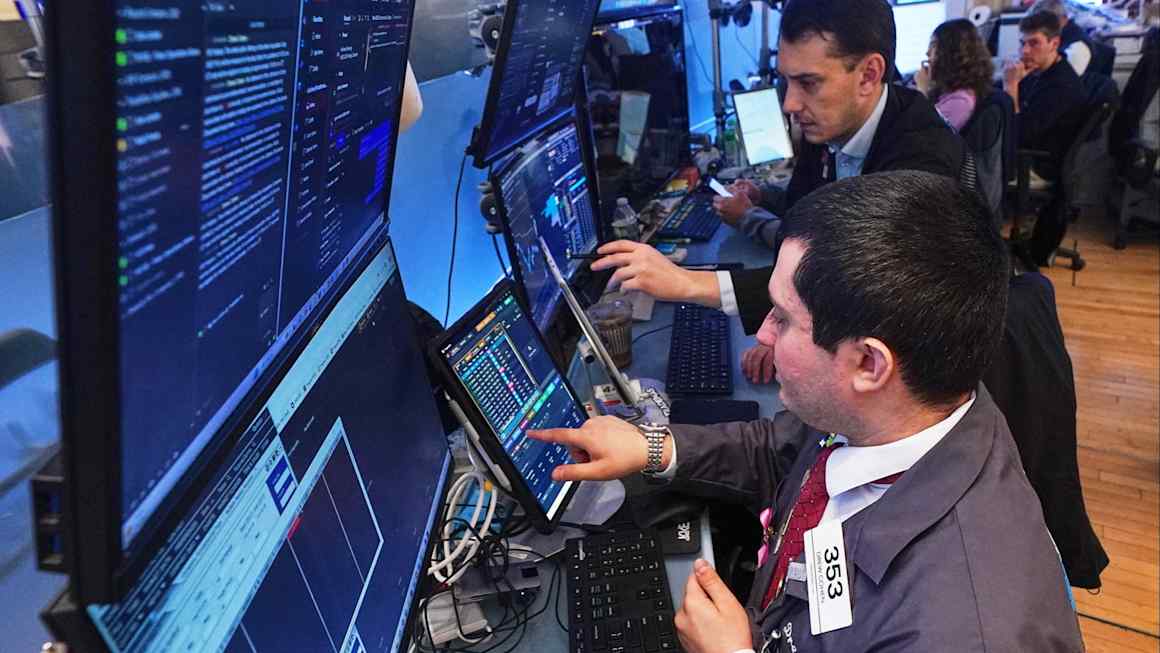
US stock markets rebounded on Thursday, with the Dow Jones Industrial Average gaining 0.8 per cent, the S&P 500 rising 0.3 per cent, and the Nasdaq Composite climbing 0.2 per cent. The recovery was underpinned by a renewed investor appetite for semiconductor stocks, particularly as capital flowed back into artificial intelligence-linked equities.
Intel and Micron recorded significant gains as the sector resumed its upward trajectory. The movement in chip stocks coincided with broader market optimism, although specific percentage increases for the two firms were not detailed in the source material. The resurgence highlights a continued focus on the technology infrastructure supporting AI development.
Nvidia shares also posted solid gains, surging more than 2 per cent following news that the US government had approved the sale of H200 chips to Chinese firms. The approval of these advanced semiconductors appears to have provided a catalyst for the broader chip sector, reinforcing the market’s interest in the supply chain dynamics of artificial intelligence hardware.
The market activity occurred on the same day that US President Donald Trump and Chinese President Xi Jinping commenced a two-day summit in Beijing. This marks the first visit by an American president to China since 2017. The summit agenda is set to cover trade, artificial intelligence, and the Strait of Hormuz, issues that are closely watched by global markets.
Key technology executives, including Elon Musk, Tim Cook, and Jensen Huang, are attending the summit in Beijing. Their presence underscores the intersection of corporate strategy and geopolitical policy, as major US firms navigate the regulatory and trade environment with China. The concurrent market rise and diplomatic engagement suggest a period of heightened scrutiny on the relationship between US tech giants and international trade policy.