Wall Street rallies on US-Iran peace hopes and robust tech earnings
The Nasdaq, S&P 500 and Dow Jones advance following reports of a looming agreement between Washington and Tehran, alongside upbeat guidance from chipmakers and a resilient jobs report.
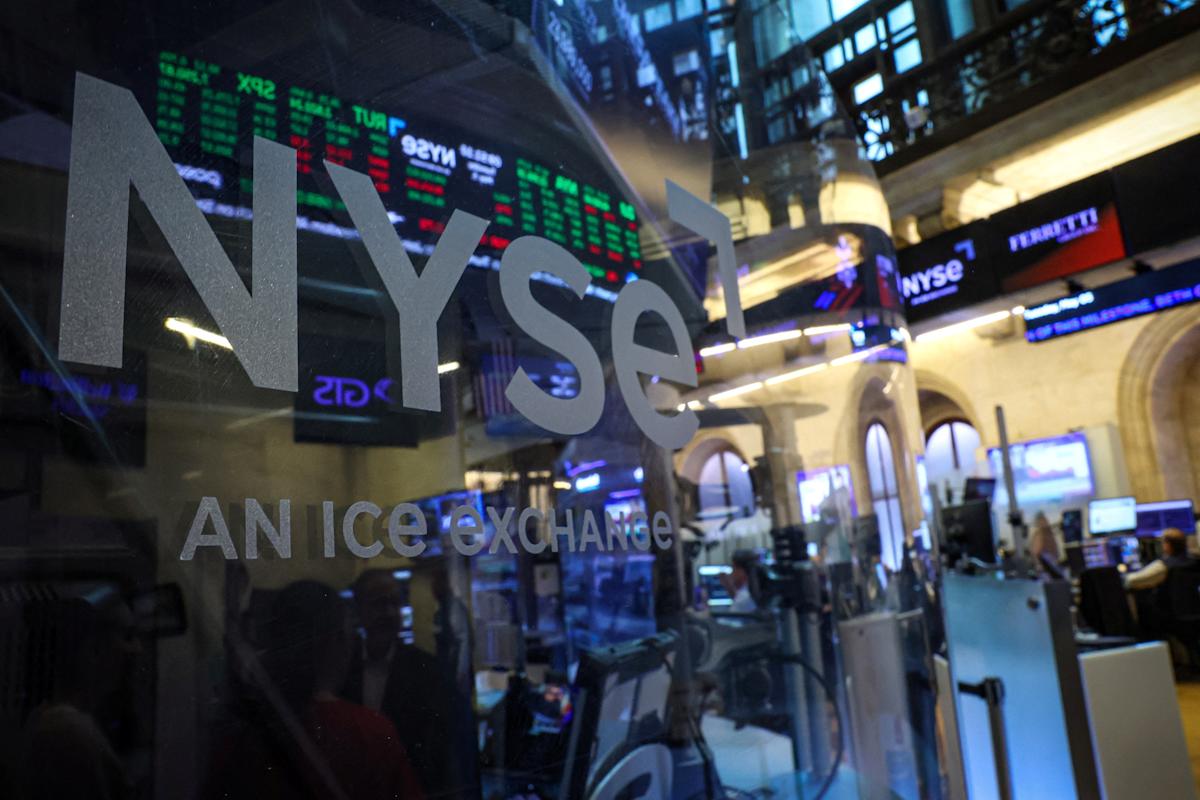
Wall Street indices climbed on Wednesday as investors reacted to reports that the United States and Iran are close to finalising a peace agreement. The potential deal aims to end the conflict and reopen the strategically vital Strait of Hormuz, sparking a surge in optimism across global markets.
This geopolitical development sent oil prices tumbling, with Brent crude briefly dipping below $100 per barrel and WTI falling under $91 per barrel. The move reversed a recent surge where Brent had crossed $126, reflecting market expectations that the conflict driving energy volatility is nearing a resolution.
Simultaneously, a continued string of strong earnings reports from technology companies provided a solid foundation for market gains. Upbeat corporate results, particularly from firms in the semiconductor and artificial intelligence infrastructure sectors, supported the broader rally alongside the geopolitical news.
Chipmaker Advanced Micro Devices saw its stock surge roughly 15 to 19 per cent after beating earnings expectations and providing stronger-than-anticipated guidance. The company reported a significant jump in data centre revenue, which rose 57 per cent year-on-year, driven by demand for both AI accelerators and server processors.
Supermicro shares also rose 13 to 17 per cent following strong demand for AI servers and raised fiscal fourth-quarter revenue forecasts. Further bolstering the sector, Samsung Electronics saw its market cap exceed $1 trillion, becoming only the second Asian firm after TSMC to reach this milestone, driven by surging demand for AI chips.
Macroeconomic data also contributed to the positive sentiment, with payroll processor ADP reporting that the United States added 109,000 private-sector jobs in April. This represented the largest monthly gain since January 2025, though it fell slightly short of the 120,000 roles economists had expected.
While markets focus on these immediate drivers, regulatory developments in the AI space remain a backdrop to the sector's growth. The White House is reportedly considering an executive order to create a vetting system for new frontier AI models to ensure safety before public release, following cybersecurity concerns regarding potential vulnerabilities in advanced systems.