Wall Street endorses Nvidia’s new AI concept after record funding
The endorsement follows a period where artificial intelligence infrastructure was bankrolled by unprecedented equity and debt issuances from major technology firms.
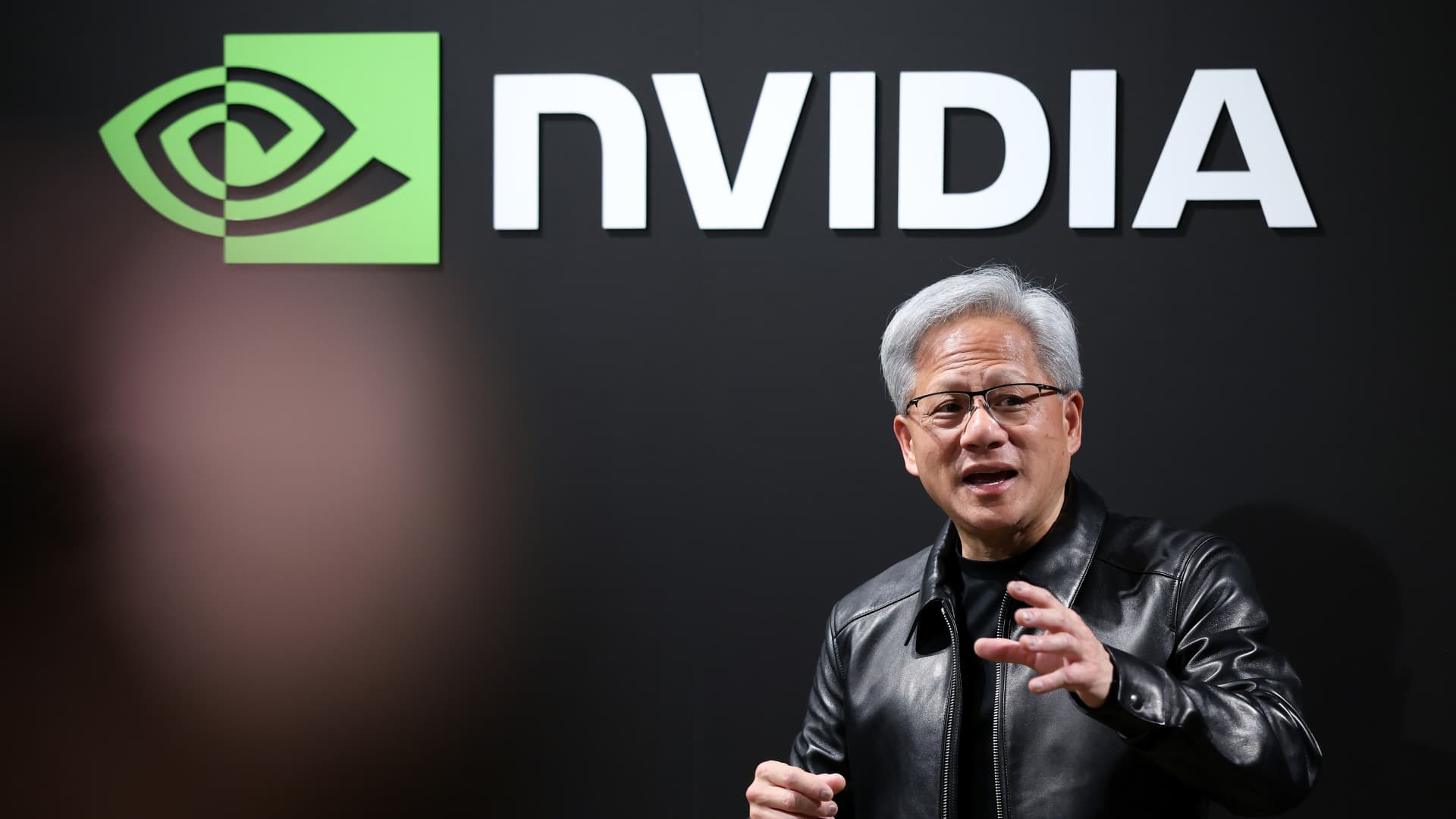
Wall Street has formally endorsed Nvidia chief executive officer Jensen Huang’s latest strategic concept for artificial intelligence, marking a significant validation of the sector’s direction. The approval comes at a pivotal moment for the technology industry, which has spent the past three years constructing the foundational infrastructure required for advanced AI capabilities.
This new concept arrives after a period of intense financial activity, characterised by record amounts of equity and debt issued by leading technology companies to fund the AI buildout. The scale of this capital deployment has been substantial, with major firms raising significant funds to support the rapid expansion of data centres, chip manufacturing, and network capacity necessary to sustain the industry's growth.
The endorsement suggests that investors and financial markets view Huang’s proposed direction as viable and aligned with the broader economic realities of the tech sector. By backing this new idea, Wall Street is effectively signalling confidence in Nvidia’s ability to lead the next phase of artificial intelligence development, moving beyond the initial infrastructure-heavy years into a new stage of application and integration.
While the specific mechanics of the endorsed concept have not been detailed in public reports, the market’s reaction underscores the importance of strategic clarity in an industry driven by high expectations and massive capital requirements. The shift from pure infrastructure funding to a new conceptual framework indicates a maturing market seeking sustainable models for long-term value creation.
The timing of this endorsement is notable, occurring as the technology sector navigates complex global dynamics. Industry leaders, including Huang, have recently engaged in high-profile discussions on trade and security, highlighting the intersection of technology, economics, and geopolitics. The market’s support for Huang’s vision reinforces the central role that US tech firms continue to play in shaping the global AI landscape.
As the industry moves forward, the focus will likely shift to how this newly endorsed concept translates into tangible business outcomes and returns on the substantial investments made over the past three years. The endorsement serves as a critical milestone, bridging the gap between the capital-intensive buildout phase and the next era of AI-driven innovation.