Volvo Secures US Exemption to Continue Sales of Connected Cars Amid Geely Ties
The US Department of Commerce has granted Volvo Cars specific authorisation to import and sell vehicles equipped with Chinese-connected software and hardware, allowing the company to proceed with major expansion plans at its South Carolina facility.
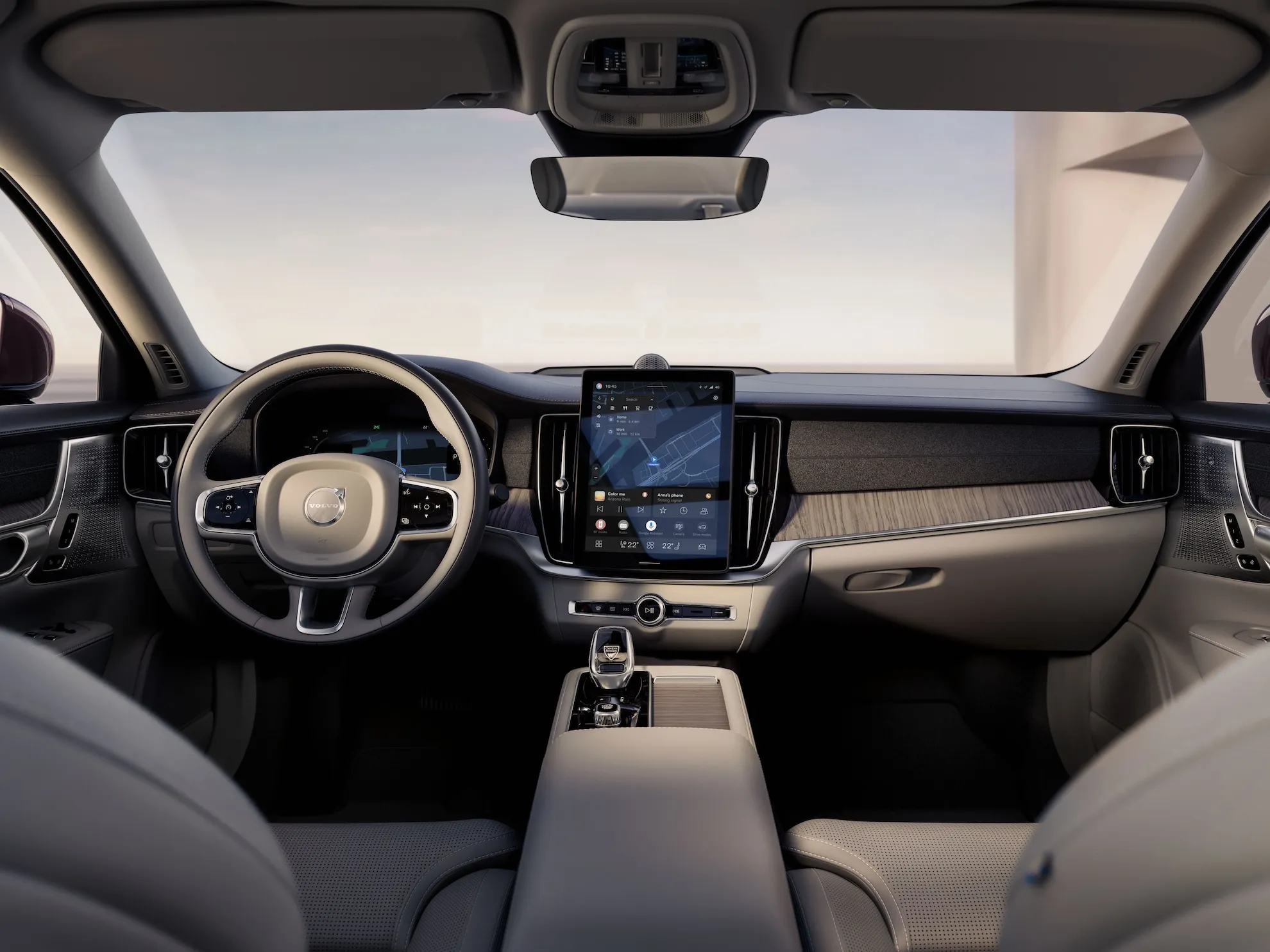
Volvo Cars has received explicit authorisation from the US Department of Commerce to continue importing and selling vehicles equipped with Chinese-connected car technology in the United States. The Swedish automaker, which is majority-owned by China’s Geely Holdings, reached an agreement with the Trump administration that exempts it from a broader US crackdown on such technology. This approval follows what the company described as constructive discussions with Commerce Department officials and other US authorities regarding its governance, technology infrastructure, and data security protocols.
The exemption allows Volvo to move forward with significant expansion plans at its factory in South Carolina. The automaker had previously announced in September 2025 its intention to bring the XC60 mid-size SUV and a new hybrid vehicle into production at the US site. Additionally, in March, Volvo confirmed it would relocate all production of the Polestar 3, an electric vehicle from its sister company Polestar, to the South Carolina factory. The Polestar 3 is currently also manufactured in Chengdu, China.
Volvo’s approval stands in contrast to regulations finalised by the Biden administration in January 2025, titled “Securing the Information and Communications Technology and Services Supply Chain: Connected Vehicles.” Those rules were designed to block vehicles equipped with software and hardware developed or maintained by Chinese companies due to national security concerns. Under the previous framework, 2027 model-year vehicles with Chinese-developed software would have been banned, followed by a prohibition on importing vehicle-connected hardware starting with 2030 model-year vehicles.
Connected car technology encompasses a wide range of software functions, including smartphone syncing and automated driving features. While Volvo vehicles are primarily manufactured in Sweden and imported to the US, with the exception of the EX90 which is assembled in South Carolina, the company’s deep ties to Geely and its manufacturing operations in China placed it squarely within the scope of the previous restrictions. The new authorisation effectively removes these barriers for Volvo, permitting it to maintain its current market presence and growth trajectory in the American market.
The Trump administration’s decision raises questions regarding the broader regulatory landscape for Chinese-linked autonomous vehicle firms. The existing rules specifically target threats from automated driving systems developed by companies with Chinese ties and would prohibit such entities from testing autonomous vehicles in the United States. Currently, several Chinese-linked companies, including Baidu’s Apollo Autonomous Driving LLC, Pony.ai, and WeRide, hold permits to test their autonomous technology in California with human safety operators. It remains unclear whether these permits will be revoked following the development of Volvo’s exemption.
TechCrunch has contacted the California Department of Motor Vehicles, the agency responsible for regulating autonomous vehicles in the state, to determine if the permits held by Baidu, Pony.ai, and WeRide will be affected by this shift in policy. The specific terms of the agreement between Volvo and the US government regarding data security and governance have not been fully disclosed, leaving some aspects of the exemption opaque to market observers.
