Volvo secures US exemption from Chinese-linked connected car ban
The US Department of Commerce has granted Volvo Cars specific authorization to import connected vehicles, bypassing a ban on software with Chinese links set to take effect in 2027.
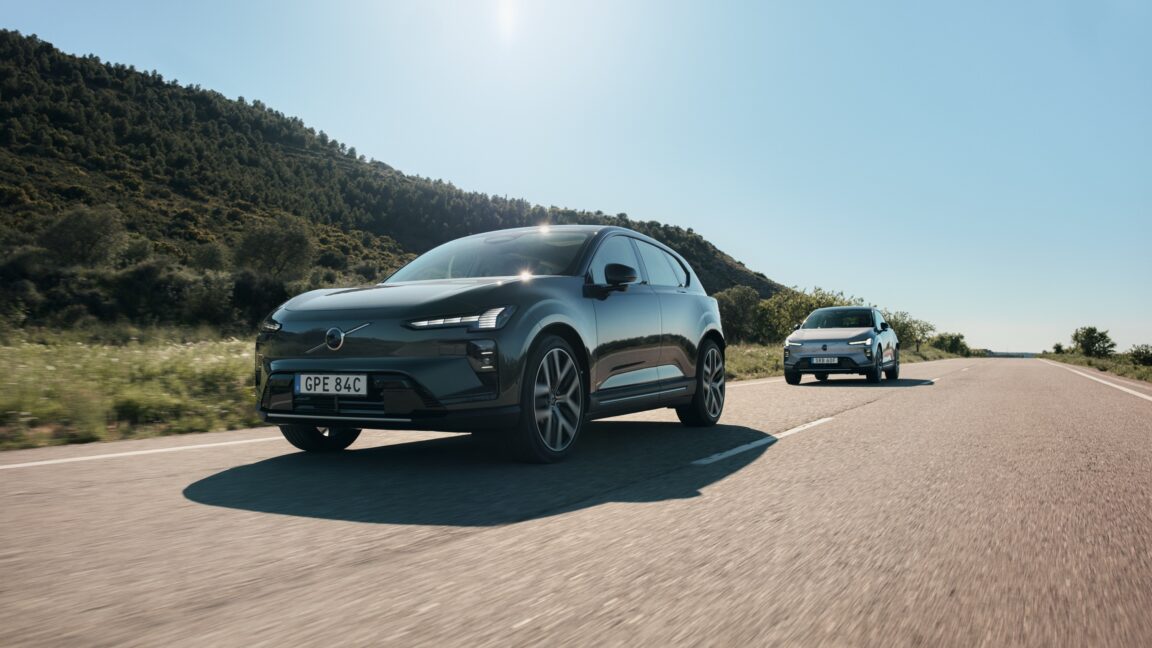
The US Department of Commerce has granted Volvo Cars specific authorization to import connected vehicles into the United States, effectively bypassing a ban on vehicle software with Chinese links. The exemption applies to model year 2027 and onward, allowing the Swedish automaker to continue importing connected cars despite its partial ownership by China’s Zhejiang Geely Holding.
Volvo Cars stated it received the authorization from the Office of Information and Communications Technology and Services under the ‘Securing the Information and Communications Technology and Services Supply Chain: Connected Vehicles’ rule. The approval followed constructive discussions with the US Department of Commerce and other US officials regarding Volvo’s governance, technology, and data security.
The ban on connected vehicles with Chinese links was initially introduced in 2024 by the Biden administration, which also levied a 100 percent tariff on Chinese imports. The Trump administration maintained the ban, with software restrictions effective from model year 2027 and hardware restrictions scheduled for model year 2030.
Polestar, which is part-owned by Volvo and also affected by the Commerce rule, confirmed it continues to work with US authorities to meet regulatory requirements. The approval raises the likelihood that other Chinese electric vehicles (EVs) may enter the US market in the coming years, as it demonstrates a pathway for OEMs to convince the Commerce Department of compliance.
It is currently unclear how many other automakers will successfully obtain similar exemptions or the timeline for such approvals. The long-term impact of this exemption on the broader US EV market and Chinese EV competitiveness remains speculative.
