Volvo bets on megacasting and AI to redefine its electric future with EX60 launch
Priced from $59,795, the 2027 model utilises 800V charging, cell-to-body battery architecture, and Google’s Gemini AI integration.
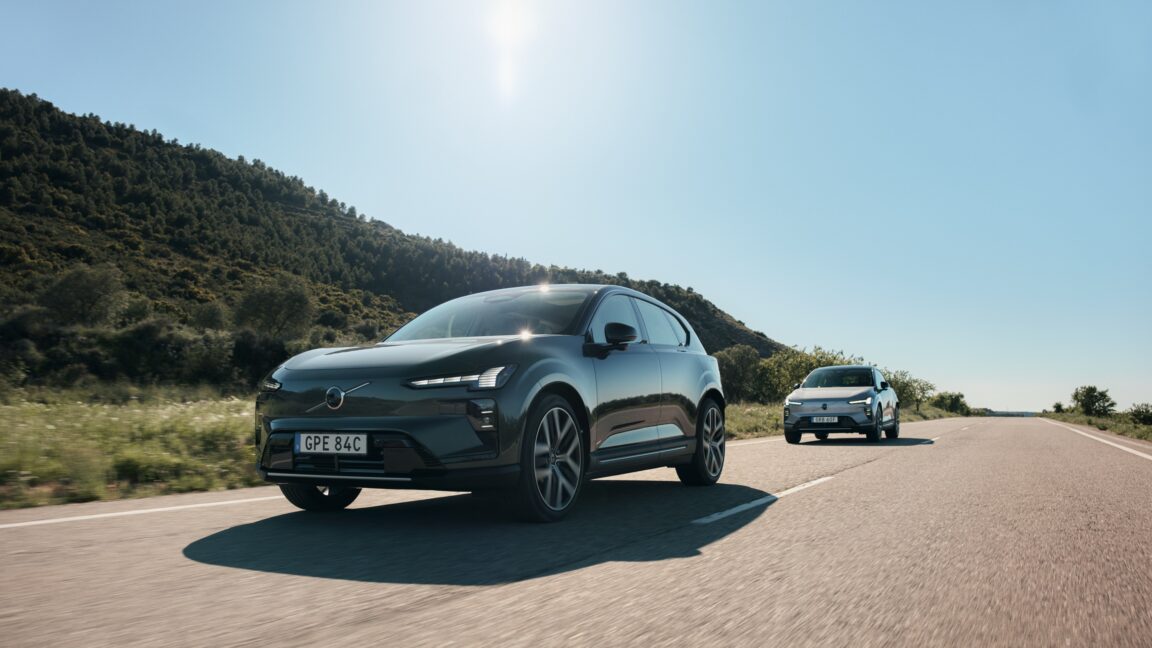
Volvo has officially unveiled the EX60, the inaugural model built on its dedicated all-electric SPA3 platform, signalling a significant shift in the automaker’s manufacturing and software strategy. Priced from $59,795 for the entry-level P6 Plus variant, the 2027 model represents a consolidation of Volvo’s electric vehicle ambitions, arriving shortly after the company discontinued the compact EX30 earlier this year due to shifting market conditions and tariff pressures. The EX60 sits alongside the larger EX90 in the current lineup, with a higher-spec P12 variant announced for future release.
The vehicle’s architecture introduces a cell-to-body battery design, integrating battery cells directly into the vehicle’s floor and walls to reduce weight and improve packaging efficiency. This structural approach, similar to systems used by competitors such as Tesla and BMW, allows the battery pack to function as the vehicle’s floor, enhancing range capabilities. Volvo claims the EX60 can achieve up to 400 miles (643 km) of range and supports 800V charging, a significant increase in charging speed compared to previous models in the brand’s portfolio.
Manufacturing efficiency is central to the EX60’s production, particularly through the use of megacasting technology at Volvo’s Torslanda plant in Gothenburg, Sweden. The company has replaced over 100 rear floor parts with a single aluminium component cast using 6,000-ton die-casting machines. This process, which Volvo engineer Mats Brodin describes as architectural, incorporates buttress-like structures for reinforcement and utilises 50% recyclable post-consumer aluminium. The investment in this new manufacturing capability, part of a 10 billion Swedish kronor ($1.1 billion) facility upgrade, aims to reduce complexity and environmental impact while accelerating production timelines.
Safety remains a core differentiator for the brand, with the EX60 undergoing Volvo’s proprietary moose-crash testing. Each model is tested using an 800-pound rubber dummy to simulate the impact of a moose’s upper body on the windshield and roof, ensuring the A-pillars and roof structure can withstand such forces. The EX60 features super-strong A-pillars and a reinforced header designed to protect occupants, with Volvo even including a subtle moose motif under the side mirrors as a nod to this rigorous testing protocol.
Inside the cabin, the EX60 is powered by HuginCore, Volvo’s proprietary software-defined vehicle platform, which facilitates over-the-air updates and integrates Google’s Gemini AI. This system allows for conversational voice interactions, enabling drivers to adjust climate control and other functions through natural language commands. The top-tier P10 AWD Ultra model further enhances the user experience with a 28-speaker Bowers & Wilkins audio system delivering 1,820 watts of power with Dolby Atmos support, positioning the vehicle as a tech-forward option in the competitive electric SUV segment.