Visual stereotypes fail to predict UK party affiliation in viral political quiz
A viral game played by 134,000 users reveals significant discrepancies between public perception and actual party registration among election candidates.
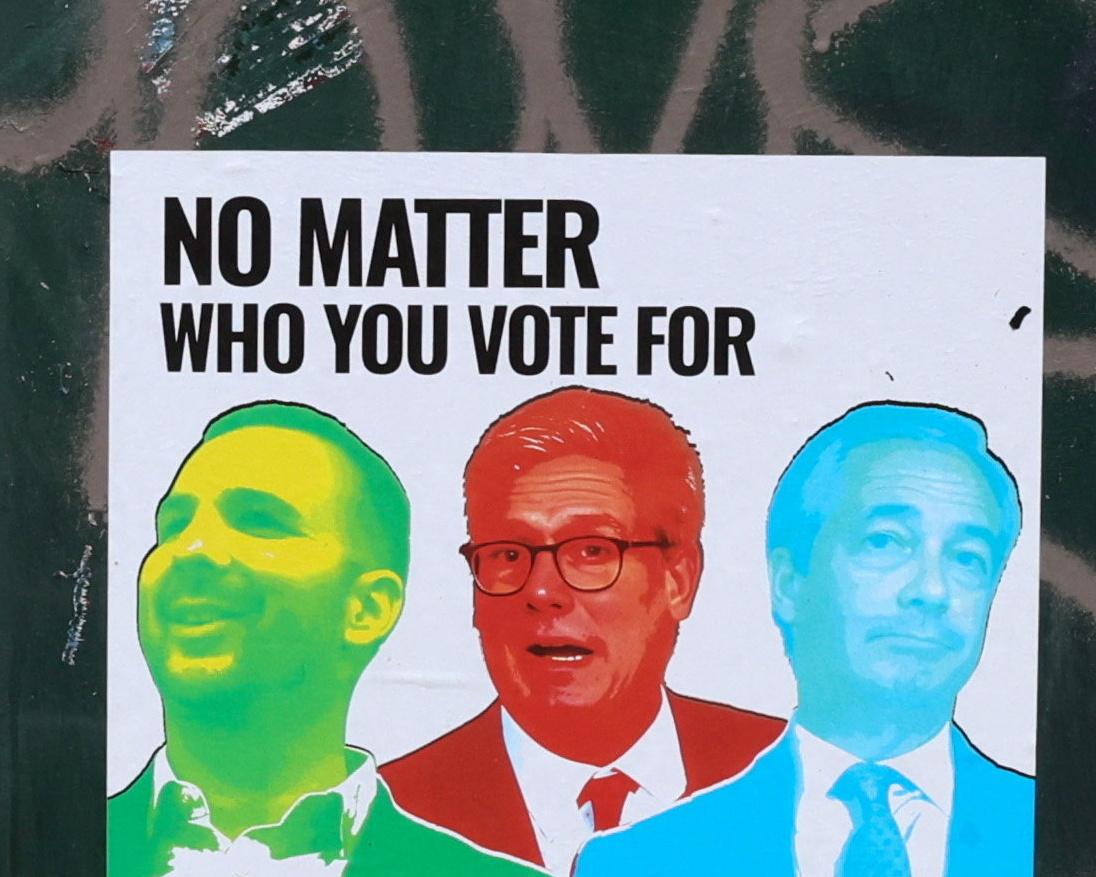
A viral game titled 'Guess the Party' has challenged the reliability of visual cues in identifying the political affiliation of UK election candidates. Created by Sam Hamill-Stewart, the quiz invites players to determine a candidate's party based solely on their photograph, removing any visible party logos from the background to ensure impartiality.
The dataset for the game was sourced from Democracy Club, and the results have already attracted significant attention from Westminster figures and party activists. By Thursday night, the quiz had recorded over 3.9 million guesses from approximately 134,000 participants, highlighting the widespread interest in the intersection of image and politics.
Statistical analysis of the game reveals that success rates vary significantly depending on the party, undermining the notion that specific visual traits reliably indicate political stripes. Green Party candidates proved to be the easiest to identify, with a correct identification rate of 37.5 per cent, while Liberal Democrat candidates were the most difficult, correctly guessed by only 15.2 per cent of players.
Common stereotypes tested by the quiz included grey moustaches associated with Reform, pink hair linked to the Greens, and red ties suggesting Labour affiliation. However, the data indicates these markers are frequently misleading. For instance, a Conservative candidate with purple hair was identified as a Green Party member by many users, and a Green candidate was often mistaken for Reform.
Specific case studies illustrate the failure of these visual shortcuts. Martin Radbon, the Green Party candidate for Erith, was correctly identified by only 1.7 per cent of players, with the majority guessing he stood for Reform. Conversely, Jacky Carr, a Green candidate in Broxborne, was correctly identified by 91.3 per cent of players, while Alan John Outlaw, standing for Reform in Keighley East, was correctly guessed by 80.7 per cent.
The recurring error pattern involved candidates with pink, red, or purple hair being incorrectly identified as Green Party members, despite standing for Conservatives, Labour, or the Liberal Democrats. These findings suggest that relying on appearance to gauge political alignment is an unreliable method for assessing the composition of the electorate.