Visual AI launches outpace chatbot updates in driving mobile app growth
Image and video model releases generate 6.5 times more downloads than conversational AI upgrades, but only OpenAI's GPT-4o has successfully monetised the surge.
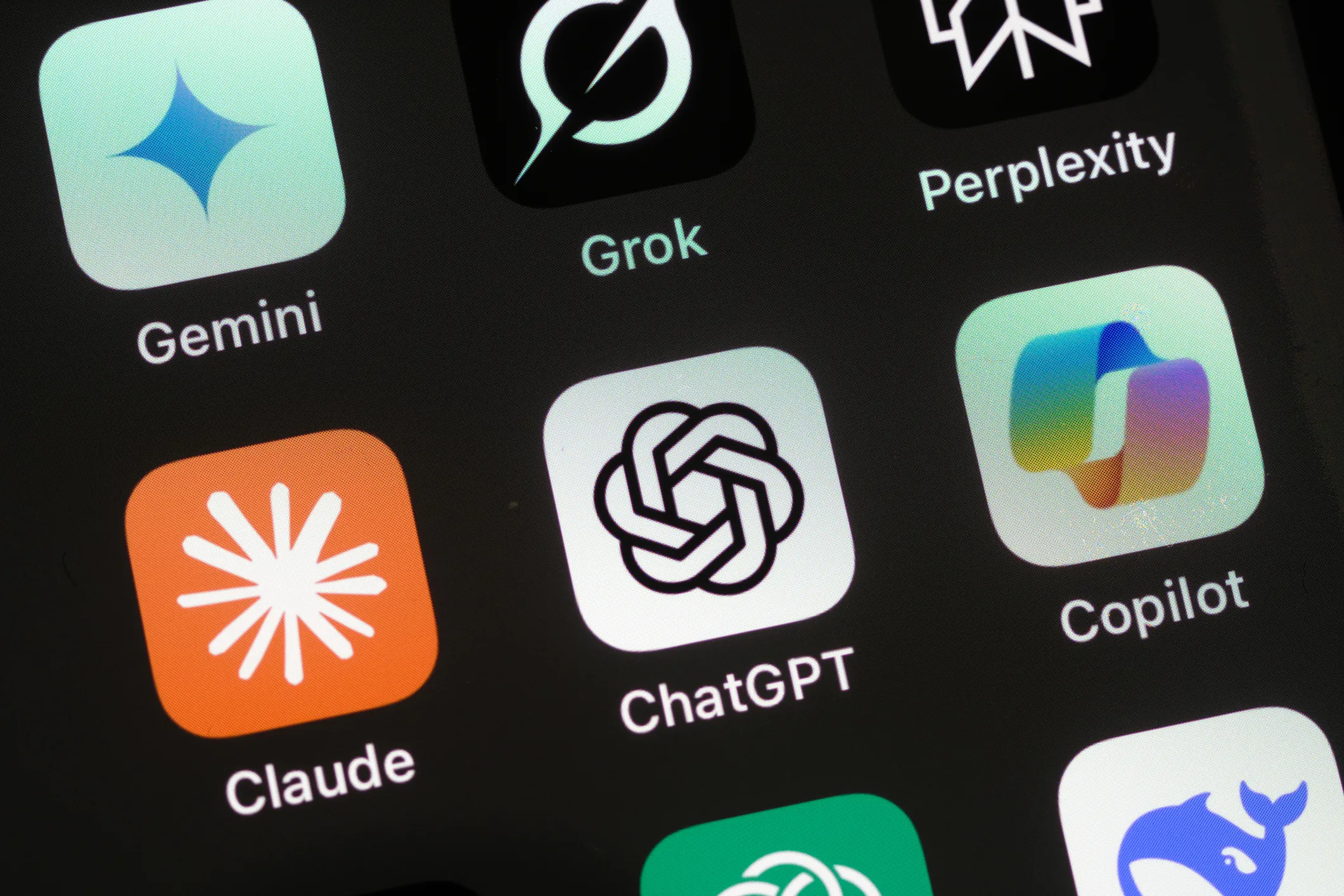
A recent analysis by app intelligence provider Appfigures indicates a significant pivot in the mobile artificial intelligence sector. The data shows that the launch of visual AI models now drives substantially higher user acquisition than traditional chatbot upgrades, generating 6.5 times more app downloads. This trend marks a departure from historical patterns where the release of new conversational models and voice chat interfaces were the primary catalysts for demand.
Specific performance metrics highlight the scale of this shift. Google's Gemini Nano Banana, introduced in August, drove over 22 million incremental downloads within a 28-day window. Similarly, OpenAI's GPT-4o image model added more than 12 million installs in the same period following its March release. Meta AI's Vibes video feed also contributed to this growth, securing an estimated 2.6 million downloads after its September 2025 launch.
Despite the impressive volume of new users, the report warns of a disconnect between downloads and financial returns. While the visual capabilities provide a compelling reason for users to install applications, they do not guarantee conversion to paying subscribers. Google's Gemini Nano Banana, despite its massive download spike, produced only approximately $181,000 in gross consumer spending during the analysis period. Meta AI's Vibes followed a similar trajectory, adding significant users but failing to generate meaningful revenue.
OpenAI stands as the notable exception in this landscape. The company's GPT-4o image generation model successfully translated the increased attention into substantial financial gain. Over the 28-day window following its launch, the release generated an estimated $70 million in gross consumer spending, a stark contrast to the minimal returns seen from its competitors' visual model updates.
The analysis also examined DeepSeek R1, which drove 28 million downloads following its January 2025 release. However, this case does not fit the visual AI pattern. The surge in interest was driven by industry curiosity regarding the company's training costs rather than a specific image model feature. This outlier underscores that while visual features are currently the dominant driver of user acquisition, the underlying motivation for downloads can vary significantly across the market.
Ultimately, the findings suggest that the novelty of visual content generation is currently the primary engine for growth in the AI mobile app sector. However, the data cautions that high download volumes do not automatically equate to long-term financial sustainability, as most major visual AI launches struggle to convert traffic into revenue.
