Vint Cerf joins Innovation Labs to draft open standard for AI agent identity
Following his departure from Google, Vint Cerf lends his expertise to a new initiative seeking to establish cryptographic accountability for artificial intelligence agents operating on the open web.
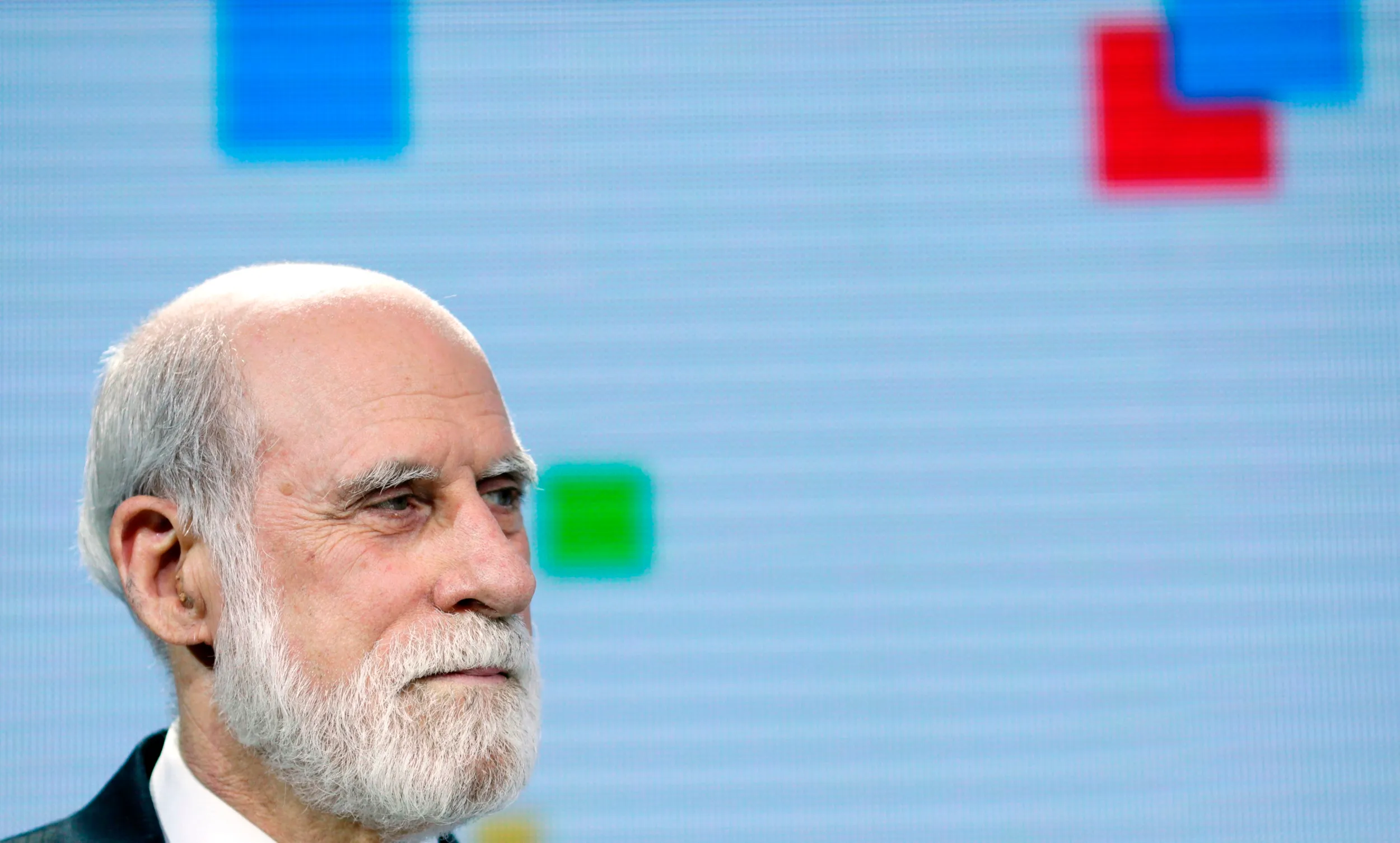
Vint Cerf, co-designer of the Transmission Control Protocol/Internet Protocol (TCP/IP), has joined Innovation Labs as an advisor to help develop an open standard for identifying artificial intelligence agents on the internet. Innovation Labs is a subsidiary of Identity Digital, a domain name registry company, and the move follows Cerf’s departure from Google after two decades last week.
The initiative centres on a proposed registry known as DNSid, which links AI agents to existing domain names using cryptographic proofs to log registration over time. This framework aims to provide accountability and trust in an environment where most AI agents currently operate within proprietary systems, isolated from broader internet interaction.
Innovation Labs is positioning itself for a future where online interaction occurs more frequently between agents than between people. To facilitate this, the company is currently trialling the DNSid standard with several unnamed hyperscalers and identity companies. The goal is to overcome the current lack of shared standards for identification and auditing that has hindered autonomous agent interaction across the open web.
Allie Kline, interim chief executive of Innovation Labs, stated that the company is deliberately avoiding proprietary data ownership to prevent "organ rejection" from major technology firms. By not retaining broader plans for AI business or controlling registration data, Innovation Labs hopes to encourage wider adoption of the protocol among industry players who might otherwise resist a centralised standard.
Cerf emphasised that interoperability and user pressure will be critical for the adoption of any such protocol, drawing parallels to the historical development of TCP/IP. He noted that while the agentic economy is not inevitable, the drive for automation is a fundamental human tendency. Cerf warned that without a shared standard, different agents would fail to interwork, necessitating a reliance on user demand to drive convergence.
The questions surrounding authority, accountability, and identity establishment remain complex, with Cerf describing the upcoming period as both fascinating and potentially exasperating for the evolution of the internet. As multiple solutions emerge, the success of DNSid will likely depend on its functionality and its ability to resolve the thorny issues of trust in an increasingly autonomous digital landscape.
