Video footage shows floodwaters sweeping through Afghan village
The specific location, cause of the flooding, and extent of damage are unknown as authorities have not yet released official statements or casualty figures.
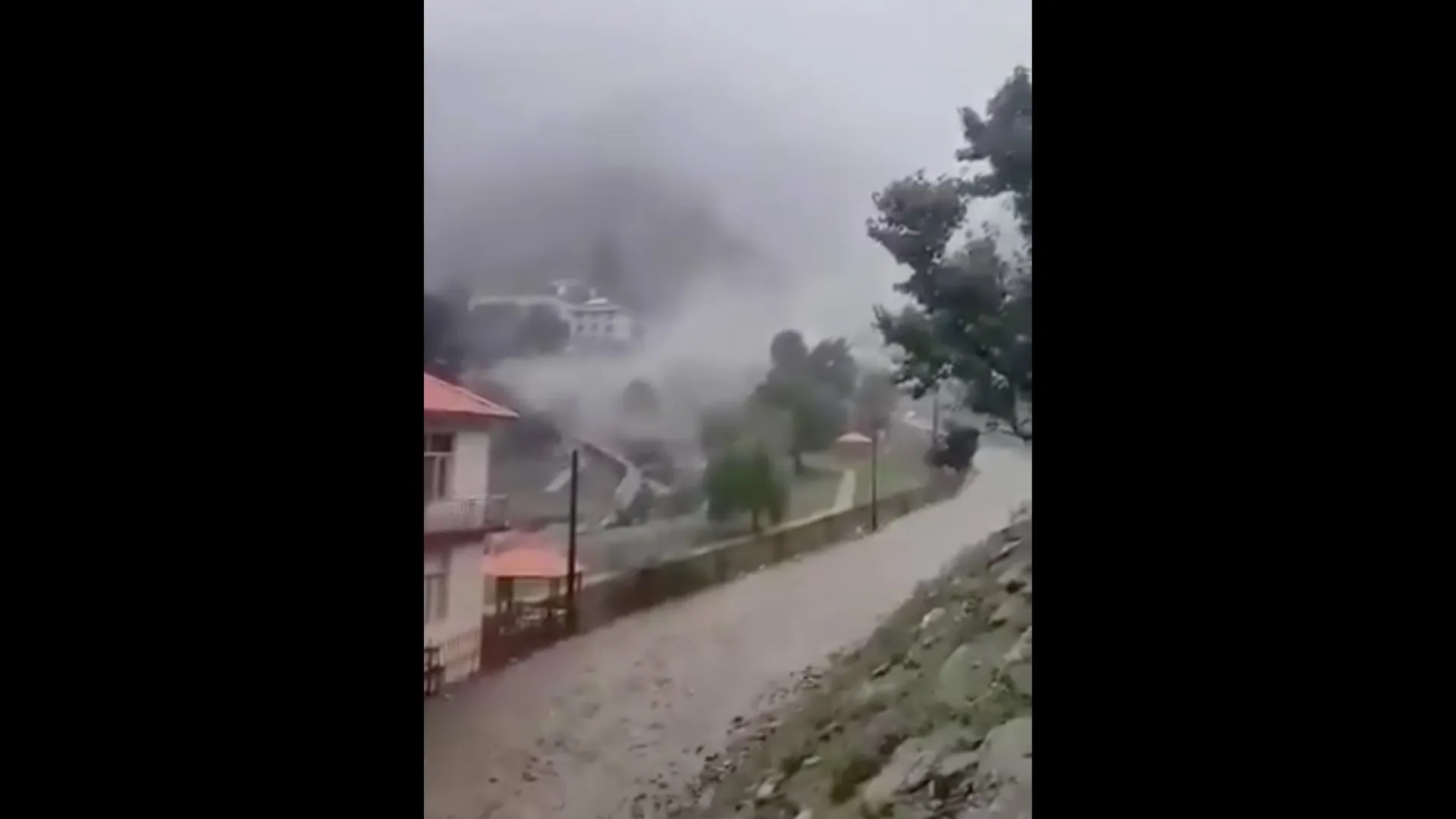
Video footage published by Al Jazeera Global News on 21 July 2026 depicts floodwaters moving rapidly through a residential village in Afghanistan. The visual evidence shows water sweeping through the settlement, though the specific province or district where the event occurred has not been identified in the available reports.
The footage, which was shared via the network’s newsfeed, captures the speed and volume of the water as it traverses the village. While the imagery suggests a significant hydrological event, the source material does not provide accompanying textual context, official statements from local authorities, or statistical data regarding the incident.
No information regarding the cause of the flooding has been released. It remains unclear whether the event was triggered by heavy rainfall, a glacial lake outburst, or infrastructure failure. Without corroborating data from humanitarian agencies or government bodies, the precise nature of the disaster cannot be confirmed.
The scale of the impact on the local population is currently unknown. There are no reported figures regarding casualties, injuries, or the number of displaced persons. Similarly, the extent of property damage or infrastructure loss has not been assessed or made public.
The report relies solely on the visual evidence provided by the video link. Claims regarding the severity of the situation should be treated as unverified until they are corroborated by official sources. The emotive language often used in headlines describing such events reflects the visual intensity of the footage rather than an objective assessment of the facts.
As of the publication date, no further updates have been issued by Al Jazeera or other news organisations. The incident highlights the ongoing vulnerability of rural Afghan communities to natural disasters, but the lack of verified data limits the ability to assess the broader implications for regional governance and humanitarian response.
Stakeholders and international observers are awaiting official confirmation from local authorities to verify the location and impact of the flooding. Until such information is available, the event remains a matter of visual record without detailed factual context.