Verge review finds facial recognition smart locks viable but uneven in performance
While ultrawideband technology offers superior convenience, The Verge’s latest analysis suggests facial recognition provides a reliable, device-free alternative for home security, with the Eufy FamiLock E40 emerging as the top performer despite significant battery and cost concerns.
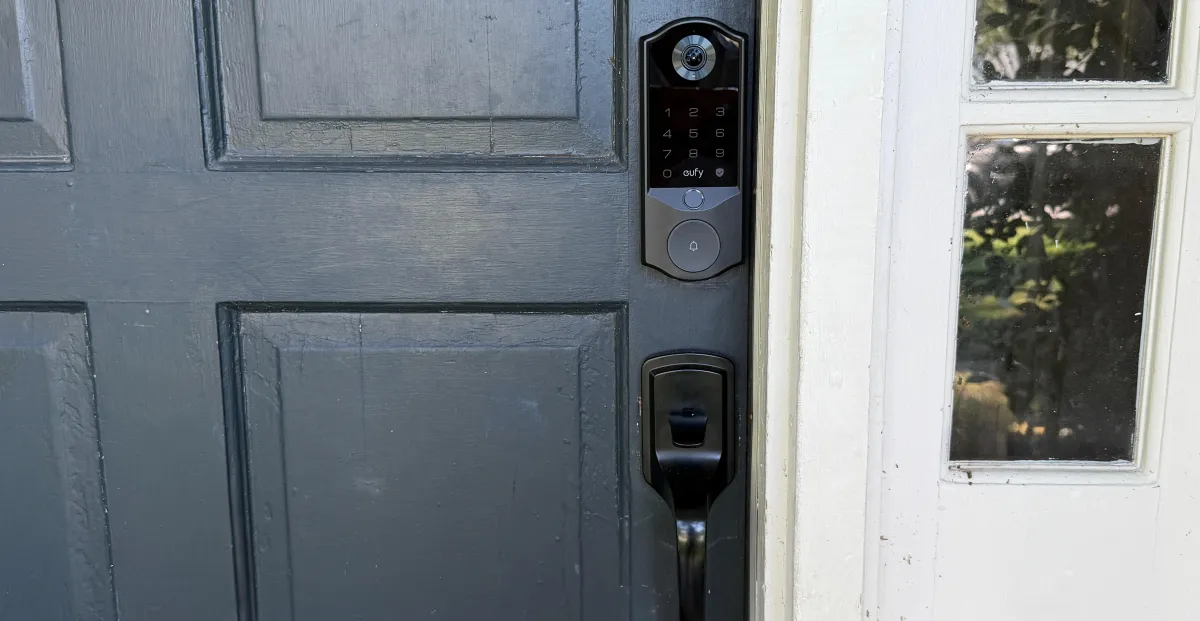
The Verge has published a comprehensive review of four facial recognition smart locks, evaluating their viability as a primary home security solution. The testing focused on the Eufy FamiLock E40, Lockly Visage Zeno, SwitchBot Lock Vision Pro, and Lockin Veno Solar Face, positioning facial recognition as a practical alternative to ultrawideband (UWB) technology for users who prefer not to carry smartphones or wearables. While UWB remains the superior hands-free option, it is currently expensive and scarce, leaving facial recognition as the more accessible, albeit premium, choice for immediate adoption.
The Eufy FamiLock E40, priced at $300, was rated the best overall performer due to its speed and comprehensive feature set. It unlocked in under a second and was the only model tested to work consistently while the reviewer wore sunglasses. The device includes a fingerprint reader, keypad, physical key, and a 2K video doorbell with subscription-free viewing. However, it suffers from a large form factor, a nine-hour charge time, and rapid battery drain, losing 40 per cent of its charge in just one week of testing.
In contrast, the SwitchBot Lock Vision Pro, priced at $230, was identified as the worst performer in the group. The review cited glacially slow facial unlocking speeds and frequent false positives, including instances where the lock prompted the user to stand closer when no one was present. The Lockin Veno Solar Face, at $199, offered a built-in solar panel but struggled with sunglasses and slower recognition times. The Lockly Visage Zeno, at $350, supported Apple Home Key but was limited to tap-to-unlock functionality, lacking UWB support, and featured a keypad layout that the reviewer found frustrating.
A key finding across all tested models is the local processing of biometric data. All four locks claim to store and process facial data locally rather than in the cloud, a distinction that enhances both privacy and performance. This local storage approach addresses some security concerns, although the review notes that not all consumers may be comfortable storing facial biometrics in a door lock, despite the technology being more secure than physical keys or photos.
The review concludes that while facial recognition offers a sci-fi appeal and genuine utility for those who frequently leave devices indoors, it remains a niche solution. With UWB technology expected to become more widespread and affordable through standards like Aliro, facial recognition locks may face increased competition. For now, however, they provide a reliable, hands-free entry method for users willing to accept the higher costs and battery maintenance requirements associated with current hardware.
