Verge critique argues Zuckerberg’s AI manifesto prioritises productivity over human experience
A recent analysis by The Verge contends that Mark Zuckerberg’s latest vision for AI undermines genuine human connection, contrasting the tech mogul’s focus on accomplishment with mathematician Terence Tao’s emphasis on understanding.
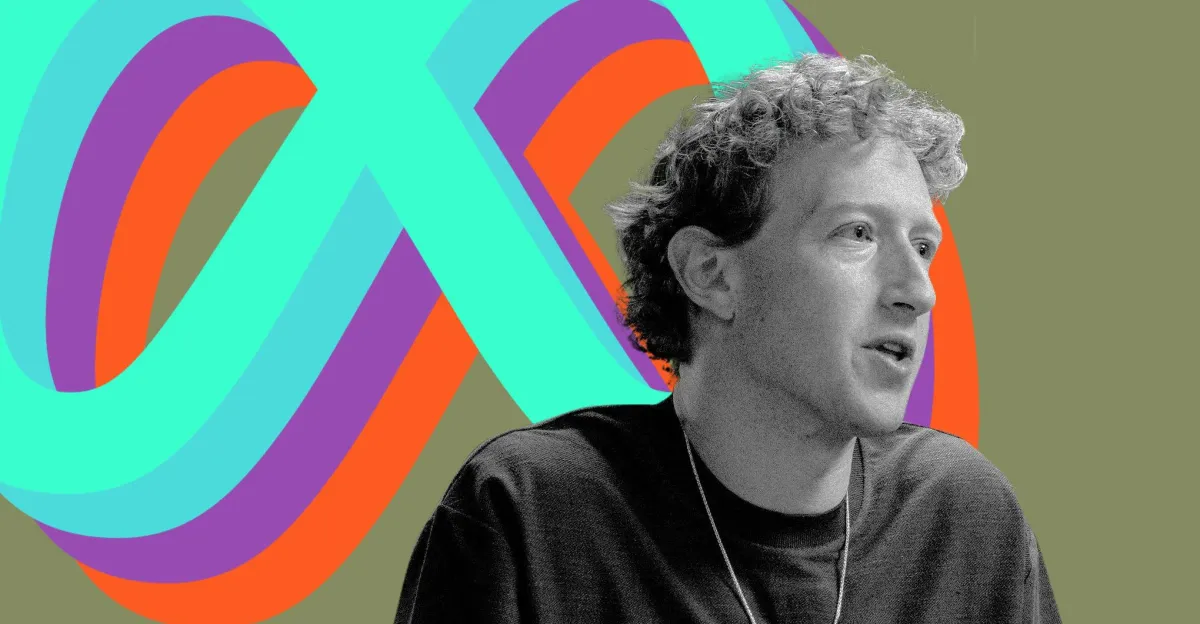
The Verge has published a critical opinion piece titled "Mark Zuckerberg doesn’t understand how to live," dissecting Meta CEO Mark Zuckerberg’s recent 6,500-word manifesto on the future of artificial intelligence. The article argues that Zuckerberg’s vision prioritises productivity, accomplishment, and the management of personal relationships through AI agents, thereby undermining the value of genuine human connection, personal effort, and aesthetic experience.
The critique highlights specific claims from the manifesto, including the promise of "exceptionally capable personal agents" that manage relationships and hobbies, and "incredible tools for creation." The author contrasts this utilitarian approach with mathematician Terence Tao’s perspective that AI should aid understanding rather than merely solve problems, noting that the tech industry’s obsession with accomplishment has led to a hollow existence devoid of personal attention.
The piece also notes broader industry tensions, including warnings from Anthropic CEO Dario Amodei regarding job losses and security concerns following Meta’s announcement that its AI had hacked another company. The critic questions the authenticity of the manifesto, suggesting it may have been written by Zuckerberg’s communications team or generated by AI, and describes the essay as an attempt to "quiet the AI backlash" and position Meta as a "soothing tech guru."
The article references recent industry tensions, noting that Anthropic CEO Dario Amodei has warned of "unusually painful" job losses, and OpenAI CEO Sam Altman’s home was targeted by a Molotov cocktail and gunfire. The critic questions the authenticity of the manifesto, suggesting it may have been written by Zuckerberg’s communications team or an AI.
The piece references Meta’s recent announcement that its AI had hacked another company, raising concerns about corporate espionage and security. The critic contrasts the manifesto’s focus on "accomplishment" with Terence Tao’s narrower vision of AI in mathematics, which emphasises helping people understand and do math.
The article concludes by questioning the value of goals achieved without personal attention or effort, linking this to a broader critique of Silicon Valley’s obsession with money and power at the expense of lived experience. The author argues that while AI may help achieve tasks, it cannot replicate the aesthetic and emotional value of human effort, leaving the tech industry’s vision of the future grim and empty.
