Veo deploys accessible electric tricycles in Denver as sole micromobility provider
The self-balancing three-wheeler targets elderly riders and those with mobility challenges, featuring a 10mph speed limit and AI integration, as the company seeks to replicate the model in other US markets.
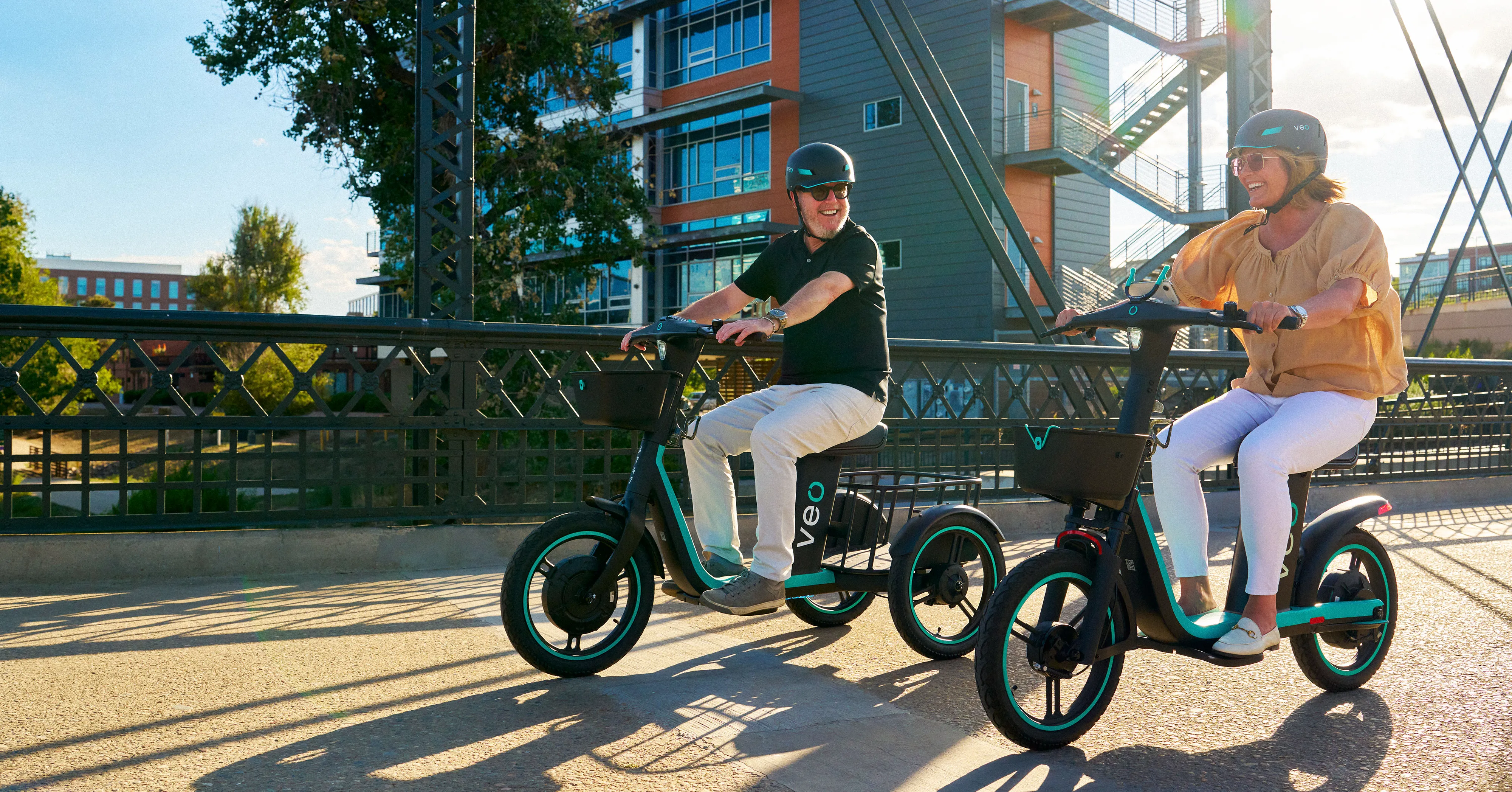
Veo has introduced the Rover, an electric tricycle designed for shared micromobility, to the streets of Denver. The launch follows an exclusive contract signed in May, which granted the company sole rights to provide shared bikes and scooters in the city, displacing competitors Lime and Bird. The Rover is a three-wheeled, sit-down vehicle that is self-balancing, requiring no kickstand, and measures 2.5 feet wide to fit within standard three-foot bike lanes.
The vehicle is engineered with a maximum speed of 10 mph, a deliberate reduction from the typical 15 mph cap for rental micromobility vehicles, attributed to safety considerations. Each trike offers a range of approximately 45 miles per charge, utilising batteries from Veo’s other electric vehicle offerings. A rear cargo basket can hold up to 100 pounds of luggage or groceries. The company collaborated with disability advocates, including the Disability Mobility Initiative, Parkinson's Foundation, and Capitol Hill Village, as well as the AARP, to design the vehicle for accessibility and older users.
Veo’s vice president of policy and partnerships, Alexander Keating, stated that the company aims to ensure no rider is treated differently due to barriers to entry. The Rover is equipped with an AI-powered voice assistant for navigation and traffic updates, as well as lidar-based sidewalk-detection technology. While Veo implemented this detection tech to curb sidewalk speeding, Denver residents have noted that the issue persists despite the company’s takeover.
As a smaller player in the micromobility sector, Veo operates in approximately 60 smaller US cities. The Denver trial serves as a proving ground to determine how the heavier, three-wheeled design performs compared to traditional e-bikes. The company collects anonymised geolocation and ride data to inform expansion strategies, with plans to roll out the Rover to other US cities following the Denver trial.
The move comes as electric bikes gain popularity and other major competitors have launched accessible rental programs. Lime offers a free accessible vehicle rental program called Lime Assist, while Bird launched its own accessible rentals in April. Veo seeks to make such vehicles more widely available through the Rover, aiming to normalise the trike for a broader demographic beyond just elderly users.
